

A Guide to Spark Plug Wire Sets for the 1975-1997 Ford E-150 Econoline Club Wagon
Ensure your classic Ford van runs smoothly by choosing the right spark plug wire set for its engine.
- Always replace spark plug wires one at a time to avoid mixing up the engine's firing order.
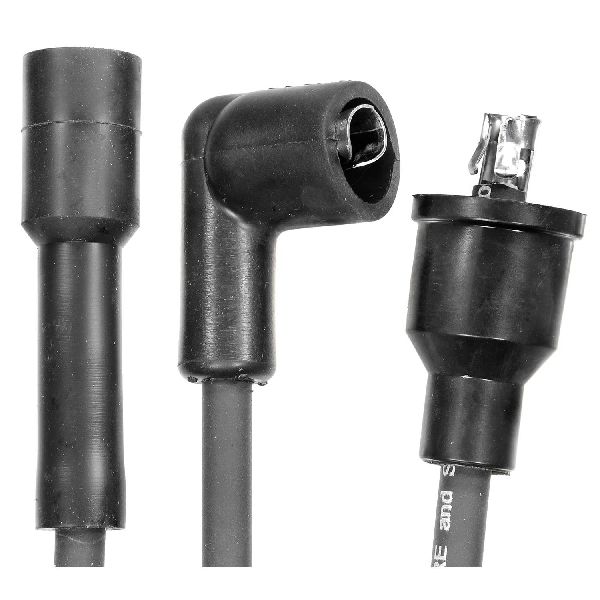
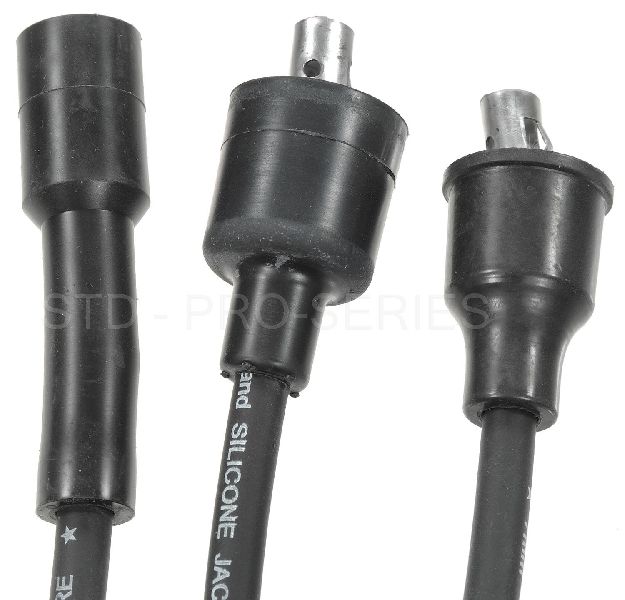
- Choose wires with high-quality silicone jackets (8mm or thicker is a good upgrade) to withstand the high heat of the van's engine compartment.
- For a complete tune-up and best performance, replace the spark plugs, distributor cap, and rotor at the same time as the wires.
- For 1997 models, visually confirm your van has a distributor and wires before buying, as some may have a coil-on-plug system.
Symptoms of Failing Spark Plug Wires
Worn-out spark plug wires can cause a number of noticeable engine problems. Because the engine compartment on these vans can get very hot, the wire insulation can break down over time, leading to issues.
- Rough Idle: The engine may shake or vibrate more than usual when stopped.
- Engine Misfires: You might feel a hesitation or stumble during acceleration, especially under load. This can sometimes trigger a Check Engine Light on later models.
- Poor Acceleration: The van may feel sluggish and underpowered.
- Reduced Fuel Economy: When cylinders misfire, fuel is wasted, leading to more frequent stops at the gas station.
- Visible Arcing: In a dark environment, you may be able to see small sparks jumping from a cracked wire to a metal part of the engine.
Check Your Engine for 1997 Models
The 1997 model year was a transition period for Ford. While most E-150s in the 1975-1997 range use a traditional distributor and spark plug wires, some late-production 1997 vans were equipped with the newer modular engines (4.6L or 5.4L) that use a "Coil-on-Plug" (COP) system, which does not have spark plug wires. Always confirm if your engine has a distributor cap with wires leading from it before purchasing.
Choosing the Right Aftermarket Spark Plug Wires
When shopping for new spark plug wires, you have many options. For the E-150 Club Wagon, focusing on heat resistance and durability is key. Look for wires with high-quality silicone jacketing, which holds up better to high engine temperatures. Many aftermarket sets are an upgrade over the original factory wires.
Brand Quality Tiers
Not all brands are created equal. Here’s how they generally stack up for your Ford van:
- Performance Tier (High-End): Brands like MSD, Ford Performance (formerly Ford Racing), Taylor Cable, and Granatelli offer premium wire sets. These often feature thicker 8mm to 8.5mm diameters, low-resistance conductors for a stronger spark, and superior heat protection. They are an excellent choice for owners who want the best in performance and longevity, especially if the engine is modified.
- OEM-Quality Tier (Daily Driver): This is the sweet spot for most owners looking for reliability without the high performance price tag. NGK, Denso, and Standard Motor Products (SMP) are highly respected brands that produce wires meeting or exceeding original factory specifications. Ford's own Motorcraft brand is also an excellent, reliable choice.
- Economy Tier (Budget-Friendly): Brands like Accel, Walker Products, and Karlyn STI offer functional replacements at a lower cost. While they will get the job done, they may not offer the same long-term durability or heat resistance as the higher-tier brands.
| Quality Tier | Estimated Price Range | Best For |
|---|---|---|
| Economy | $21 - $50 | Budget-conscious repairs |
| OEM-Quality / Daily Driver | $50 - $100 | Reliable, everyday use |
| Performance | $100 - $212+ | High-performance engines and maximum durability |
Pro Tip: Do a Full Tune-Up
Since you are already replacing the wires, it is the perfect time to perform a full tune-up. For best results, replace the spark plugs, distributor cap, and distributor rotor at the same time. This ensures your entire ignition system is refreshed and working together efficiently.
Frequently Asked Questions (FAQ)
How often should I replace the spark plug wires on my E-150?
As a general rule, inspect them with every spark plug change. A good quality set of silicone wires can last 60,000 to 100,000 miles, but the high-heat environment of a van can shorten that lifespan. Replace them whenever they show signs of cracking, brittleness, or burning.
Do I need special tools for this job?
No highly specialized tools are needed. Basic hand tools like a socket set, pliers, and a spark plug wire puller (to avoid damaging the boots) are usually sufficient. Applying a small amount of dielectric grease to the inside of the new wire boots is highly recommended to seal out moisture and make future removal easier.
What's the difference between 7mm, 8mm, and 8.5mm wires?
The measurement refers to the wire's diameter. A larger diameter, like 8mm or 8.5mm, typically means more silicone insulation. This provides better protection against high temperatures and voltage leaks, making them a good upgrade for the hot engine bay of an E-150 van.
What is the most common mistake when replacing spark plug wires?
The most common mistake is mixing up the firing order. Each wire has a specific length and must connect the correct terminal on the distributor cap to the correct cylinder. To avoid this, replace the wires one at a time. Remove one old wire and replace it with the new one of the same length before moving to the next.
Technical Specifications
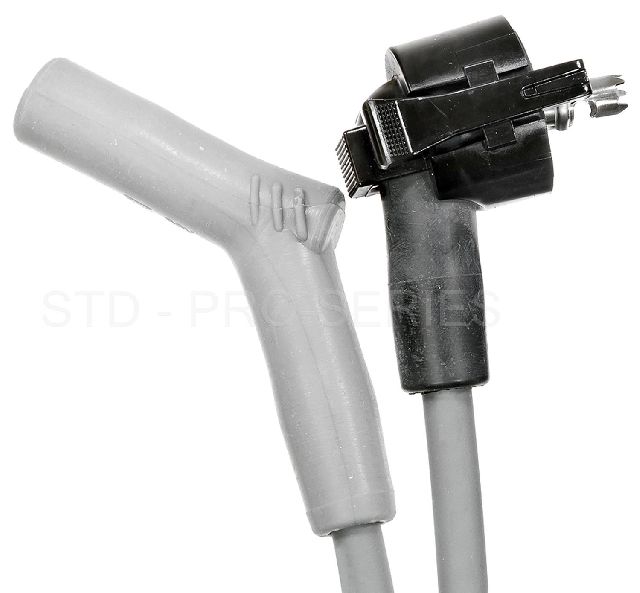
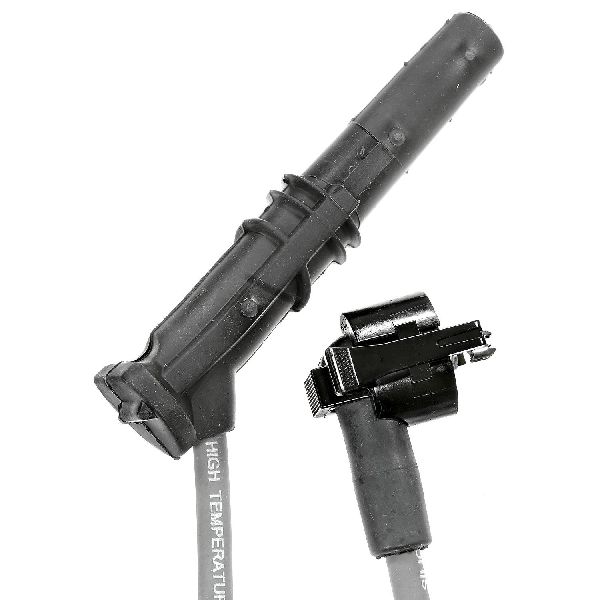
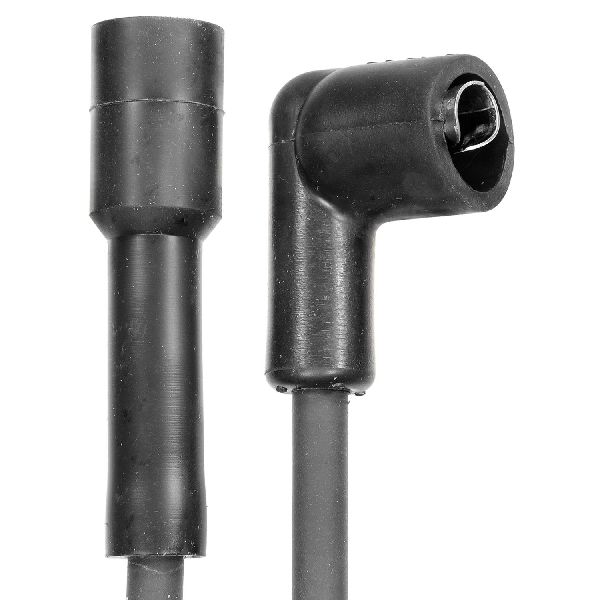
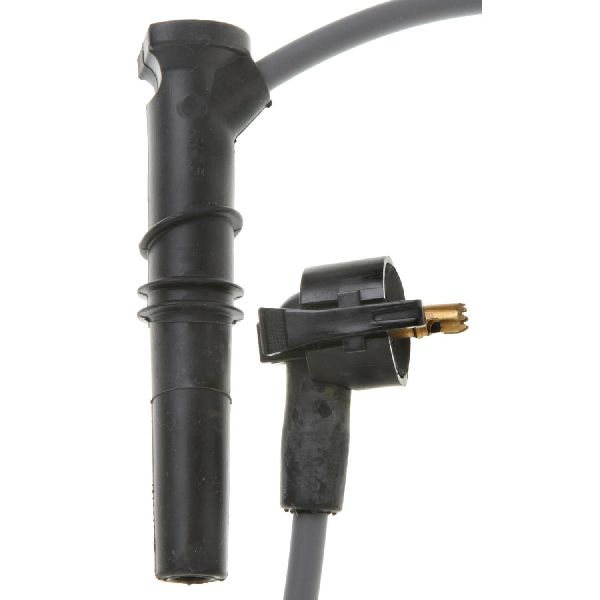
Specifications vary based on the specific engine in your van (e.g., 4.9L I6, 5.0L V8, 5.8L V8, 7.5L V8). Always verify the wire set is for your exact engine. Key factors are wire length, boot angle (straight, 45-degree, 90-degree), and distributor cap connection type (male/HEI or female/socket).
We Have This Part in Stock

The information in this article is provided for general reference and educational purposes only. Vehicle specifications, procedures, and part compatibility can vary by production date, trim level, and region. Always consult your vehicle's factory service manual and verify part numbers before purchasing or performing repairs. Safety-critical components such as airbags, seat belts, and braking systems should be installed by a qualified professional.