

Mercury Cougar Horn Guide: Troubleshooting and Replacement for 1975-2001 Models
A dead or weak horn on your 1975-2001 Mercury Cougar is a common issue, but one you can usually fix yourself.
- Horn failure is common and usually electrical; test the horn directly on a battery first to confirm it's the problem.
- For older Cougars (pre-1980s), weak horns are often due to wiring resistance; adding a relay is a recommended upgrade.
- Check the fuse first. On some models, it's shared with the cigarette lighter.
- Aftermarket brands like Standard Ignition provide a reliable, cost-effective replacement that meets factory specifications.
Is Your Cougar's Horn Not Working? Here's Why.
A silent horn is often caused by a simple electrical issue. Before you replace the horn itself, it's important to diagnose the problem. 🎬 Watch: A step-by-step guide to diagnosing horn malfunctions. The cause can differ depending on your Cougar's year, as the electrical systems changed over this long model run.
Common Failure Points
- Blown Fuse: This is the most common and easiest fix. On later models like the 1999-2001 Cougar, the horn has its own fuse in one of the fuse panels. On some earlier models, the horn may share a fuse with other accessories like the cigarette lighter.
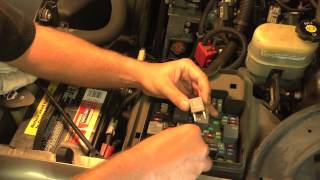
- Bad Horn Relay: Newer Cougars (generally post-1974) use a relay to send power to the horn. A clicking sound from the fuse box area when you press the horn button can indicate the relay is working, but the horn itself is bad. No click often points to a failed relay or a problem in the steering column wiring.
- Faulty Horn Switch/Clockspring: The contacts in the steering wheel that activate the horn can wear out or get dirty. This is a known issue, especially on older models with "rim blow" or horn ring steering wheels. If other steering wheel controls (like cruise control or airbag lights) are also malfunctioning on a newer model, the clockspring may be the culprit.
- Wiring and Grounds: Over time, wires can corrode and ground connections can become loose or rusty. The horn circuit on older Cougars, in particular, is known for developing high resistance in its wiring, which leads to low voltage at the horn and a weak or dead sound.
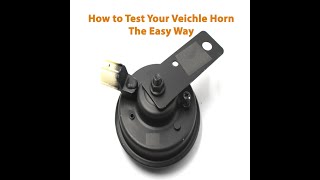
- The Horn Itself: Horns are usually mounted at the front of the car, where they are exposed to weather and road debris, and they can simply fail over time.
Pro Tip: The Easiest First Test
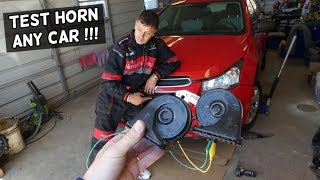
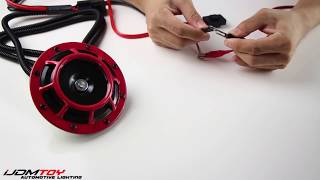
Before you start taking things apart, test the horn itself. Use a pair of jumper wires to connect the horn's terminals directly to your car's 12V battery. 🎬 See how to safely test your horn using a battery. If the horn honks, the problem is somewhere else in the circuit (fuse, relay, or wiring). If it doesn't, you've confirmed the horn is dead and needs replacement.
Choosing the Right Aftermarket Horn
When your original horn fails, you have a choice between OEM (Original Equipment Manufacturer) and aftermarket parts. For a vehicle like the 1975-2001 Cougar, aftermarket horns are widely available and offer good value.
| Brand Tier | Our Available Brands | Quality & Performance Notes |
|---|---|---|
| Standard Replacement | Replacement, Standard Ignition | These brands offer direct-fit replacements that function like the original factory horn. Standard Ignition is a well-known aftermarket manufacturer that produces a wide range of reliable automotive parts, and their horns are considered a quality OE-equivalent replacement. Replacement branded parts are a cost-effective alternative, designed to meet original specifications for fit and function. For a daily driver, either of these brands will restore your horn's function effectively. |
A Note on Older Cougars (pre-1980s)
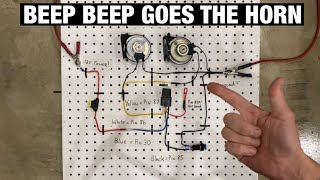
Owners of older Cougars often find that even with a new horn, the sound is weak. This is typically due to the original wiring design, which did not include a relay and can lead to voltage drop. Many owners install an aftermarket horn relay kit. 🎬 Watch: How to wire a 12V horn relay wiring harness. This simple upgrade ensures the horn gets full battery voltage, resulting in a much louder, more reliable sound.
Estimated Costs
| Part Type | Estimated Cost |
|---|---|
| New Aftermarket Horn | $36 - $58 |
| Shop Labor for Diagnosis & Installation | $80 - $150 |
Frequently Asked Questions (FAQ)
Why does my horn only make a clicking sound?
A clicking sound, usually from the fuse box area, means the horn relay is being activated but power isn't reaching the horn, or the horn itself has failed. This points towards a bad horn unit or a break in the wiring between the relay and the horn.
Can I install a louder aftermarket horn?
Yes. Many aftermarket horns are designed to be louder than factory units. If you install a significantly more powerful horn, especially an air horn, it's critical to use a relay to draw power directly from the battery. This prevents overloading the stock horn circuit.
Where is the horn located on my Cougar?
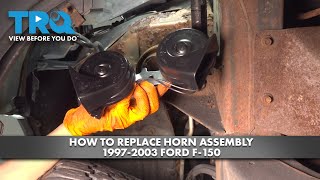
On most 1975-2001 Mercury Cougars, the horn or horns (many cars have a high-tone and a low-tone horn) are located in the front of the engine compartment, typically mounted to the radiator core support, behind the grille. You may need to remove a plastic cover to see them.
Why did my horn stop working after I replaced it?
First, check your connections and make sure the ground is clean and secure. If the horn still doesn't work, the issue may be high resistance in the vehicle's wiring, which is common in older cars. A voltmeter might show 12 volts at the connector with no load, but this voltage can drop significantly when the horn is connected, preventing it from working. In this case, adding a relay is often the best solution.
Helpful Videos
Technical Specifications
Voltage: 12V Terminal Type: Blade Configuration: High or Low Tone (most vehicles use one of each)
We Have This Part in Stock


The information in this article is provided for general reference and educational purposes only. Vehicle specifications, procedures, and part compatibility can vary by production date, trim level, and region. Always consult your vehicle's factory service manual and verify part numbers before purchasing or performing repairs. Safety-critical components such as airbags, seat belts, and braking systems should be installed by a qualified professional.