

Ford E-150 Econoline Club Wagon (1975-2002) Front Axle Pivot Bushing Guide
Fix front-end clunks and wandering steering on your Econoline van by replacing worn axle pivot bushings.
- The most common signs of failure are clunking noises from the front end and wandering steering.
- This is a common wear item on the E-150's Twin I-Beam suspension; failure is expected with age and mileage.
- Replacement requires a special tool (ball joint press) and is considered a moderately difficult DIY job.
- A professional wheel alignment is mandatory immediately after replacing the bushings to prevent tire damage.
Understanding the Twin I-Beam Suspension
The Twin I-Beam suspension in your Ford E-150 is known for being incredibly tough and durable, which is why Ford used it for decades. However, the rubber bushings that allow the suspension to pivot are considered a wear item. Over many years and miles, the original rubber dries out, cracks, and collapses, especially on a heavy-duty vehicle like the Econoline Club Wagon. When this happens, the I-beam axle can move excessively, leading to noticeable problems.
Symptoms of a Bad Axle Pivot Bushing
Worn axle pivot bushings will make your van feel loose and noisy. Ignoring these signs can lead to unsafe handling and cause other parts, like your tires, to wear out quickly. Look out for these common symptoms:
- Clunking or Popping Noises: This is the most common sign. You might hear a loud clunk from the front end when you drive over bumps, or even when starting and stopping. This is the sound of the metal I-beam moving around in the worn-out bushing.
- Wandering Steering: Your van may feel like it's drifting on the highway, forcing you to constantly correct the steering to stay straight. This is caused by the unwanted play at the pivot point.
- Uneven Tire Wear: Bad pivot bushings make it impossible to keep the front wheels properly aligned. You may notice the inside or outside edge of your front tires wearing down much faster than the rest of the tread.
- Visible Wear: You can often see if the bushing is bad. Look under the front of the van where the two I-beams connect to the central frame crossmember. If the rubber is cracked, torn, or the metal center sleeve is no longer centered, the bushing has failed.
Known Issues for the 1975-2002 E-150
There are no specific recalls or Technical Service Bulletins (TSBs) from Ford for the axle pivot bushings on this generation of Econoline vans. Failure is a result of normal wear and tear over time. It is very common for these bushings to be worn out on high-mileage vans. Owners often replace them at the same time as the radius arm bushings for a complete front-end refresh.
Choosing the Right Aftermarket Bushing
For a vehicle of this age, aftermarket parts are the most common and cost-effective choice. The original OEM parts may be difficult to find new. Both Dorman and Mevotech are common aftermarket brands available for your van.
- Mevotech: Generally receives positive reviews for suspension parts. Mechanics often find their components fit well and are durable, making them a reliable choice.
- Dorman: Offers a huge variety of parts and is a well-known brand. Their quality can be mixed depending on the specific part, but for a simple press-in bushing, they offer a cost-effective solution that meets OE-style fitment.
For this specific repair, either brand will be a major improvement over a failed original bushing. Given the low cost of the part, choosing based on availability or a small price difference is reasonable.
Pro Tip: Replace in Pairs
If one axle pivot bushing has failed, the other side is likely worn out too. It is strongly recommended to replace both the driver and passenger side bushings at the same time. This will give you even, predictable handling and ensure your wheel alignment can be set correctly and will last.
Installation and Cost
Replacing the axle pivot bushings is a moderately difficult job for a DIY mechanic. The main challenge is removing the old, seized bushing and pressing in the new one. This requires a special tool called a ball joint press (which can often be rented from auto parts stores) and a powerful impact gun. Without these tools, the job is nearly impossible.
| Item | Estimated Cost |
|---|---|
| New Aftermarket Bushings (Pair) | $15 - $45 |
| Shop Labor (Both Sides) | $200 - $400 |
| Wheel Alignment (Required) | $80 - $150 |
| Total Professional Repair | $295 - $595 |
Note: A wheel alignment is not optional. It is required after this repair to prevent immediate and severe tire wear.
Frequently Asked Questions
Do I really need a special tool to replace the axle pivot bushing?
Yes, a ball joint press or a similar heavy-duty C-clamp press is essential. The bushing is pressed into the I-beam with immense force. Some mechanics use air chisels or cut the old bushing out, but a press is needed for proper installation of the new one without causing damage.
Is a wheel alignment necessary after replacing the bushings?
Yes, absolutely. The axle pivot bushing is a primary alignment point. Replacing it will significantly change your van's alignment settings. Skipping the alignment will cause poor handling and destroy your front tires in a very short time.
My van still clunks after replacing the pivot bushings. What else could it be?
If you still hear noise, check other common wear items on the Twin I-Beam suspension. The most likely culprits are the large radius arm bushings. Also inspect the sway bar bushings, sway bar end links, and ball joints, as they can cause similar sounds when worn.
Can I drive with a bad axle pivot bushing?
You can, but it is not recommended for long. The vague steering and potential for wandering pose a safety risk. The longer you drive on it, the more you risk damaging your tires and putting extra stress on other suspension and steering components.
Technical Specifications
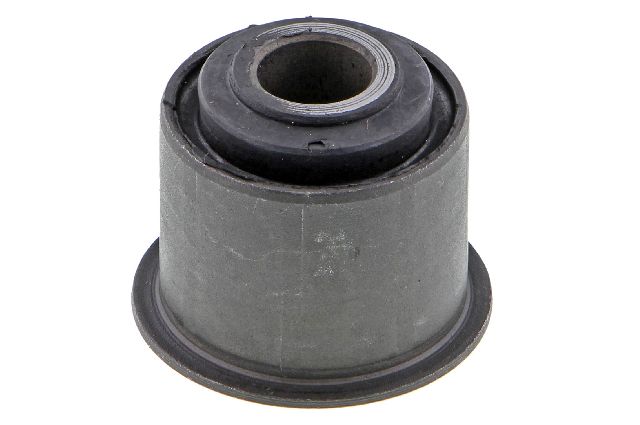
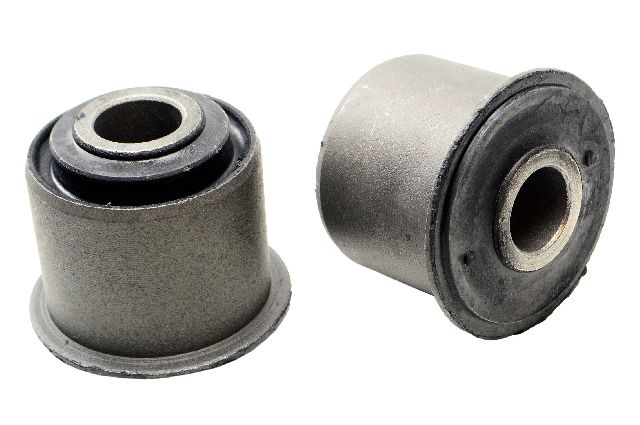
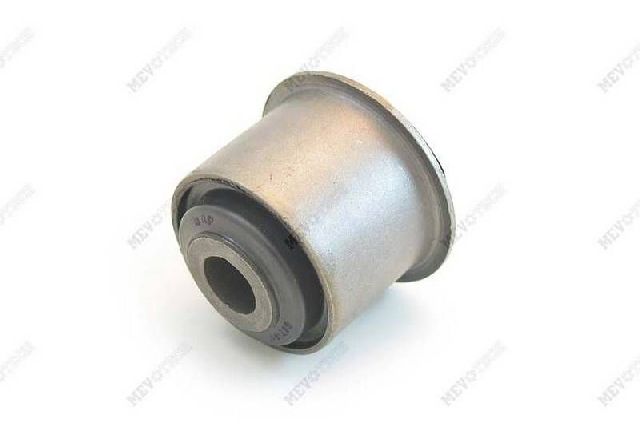
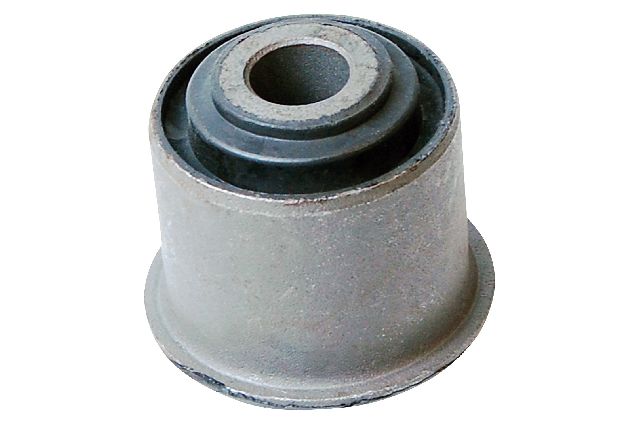
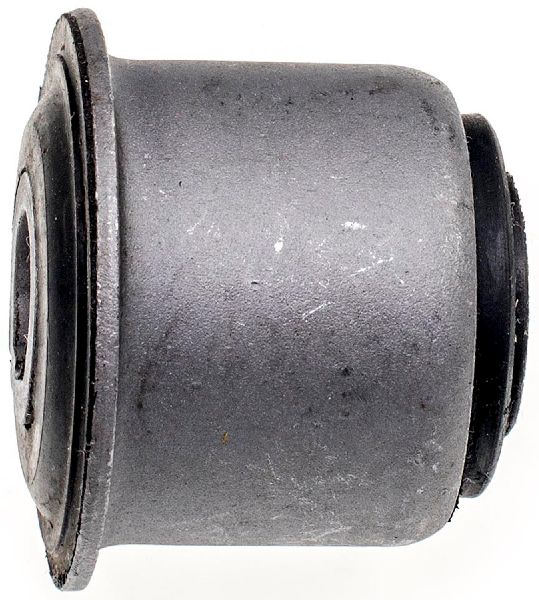
Fits Ford Twin I-Beam front suspension. Requires press-fit installation. Typically made of a rubber bushing bonded to an outer metal sleeve.
We Have This Part in Stock

The information in this article is provided for general reference and educational purposes only. Vehicle specifications, procedures, and part compatibility can vary by production date, trim level, and region. Always consult your vehicle's factory service manual and verify part numbers before purchasing or performing repairs. Safety-critical components such as airbags, seat belts, and braking systems should be installed by a qualified professional.