

Ford E-150 Econoline (1975-2003) Automatic Transmission Oil Cooler Facts
Keep your workhorse E-150 van on the road by preventing transmission overheating, the number one cause of failure.
- Heat is the #1 killer of automatic transmissions; a faulty cooler on a heavy E-150 van is a recipe for expensive failure.
- The most common failure is a leak of reddish transmission fluid from the cooler or its lines at the front of the van.
- For heavy use, towing, or hot climates, upgrading to a larger stacked-plate cooler from a brand like Derale or Hayden is a smart investment.
- When replacing the transmission, you should always replace the cooler to prevent debris from the old unit from damaging the new one.
Is Your Transmission Cooler Failing?
A bad transmission cooler can destroy a good transmission. Heat is the enemy, and a failing cooler lets temperatures rise to dangerous levels. For a heavy van like the E-150, this is a critical part. Look for these warning signs.
Failure Symptoms
- Transmission Fluid Leaks: The most common sign is seeing puddles of reddish or brown fluid under the front of your van. Leaks can come from the cooler itself, or from the rubber and metal lines that connect to it.
- Overheating Transmission: You might get a warning light on your dash, or notice the transmission slipping, especially when hot or climbing hills. An overheating transmission can also cause the engine to run hotter than normal.
- Burnt Smell: If the transmission fluid gets too hot, it will start to burn. This is a sign that damage is already occurring.
- Poor or Slipping Shifts: When the fluid is too hot or low from a leak, it loses the ability to create the pressure needed for smooth shifts. You might feel a delay, hesitation, or slipping between gears.
Choosing the Right Aftermarket Cooler
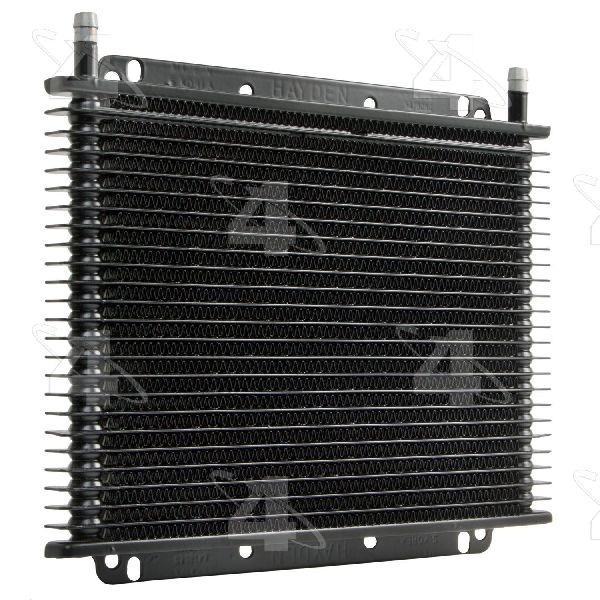
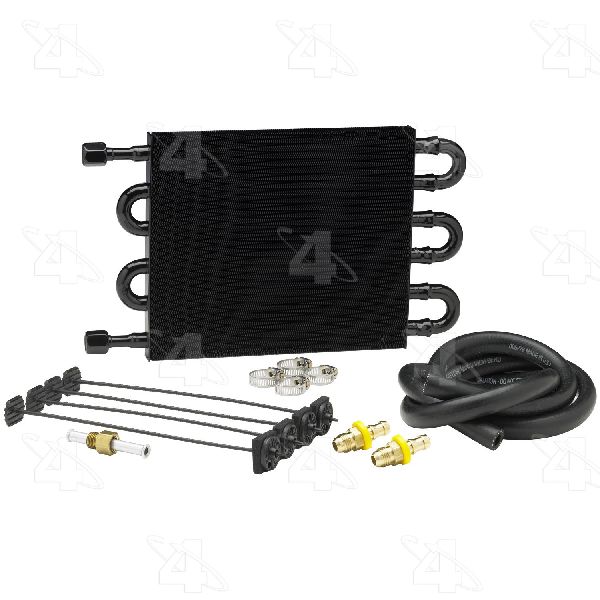
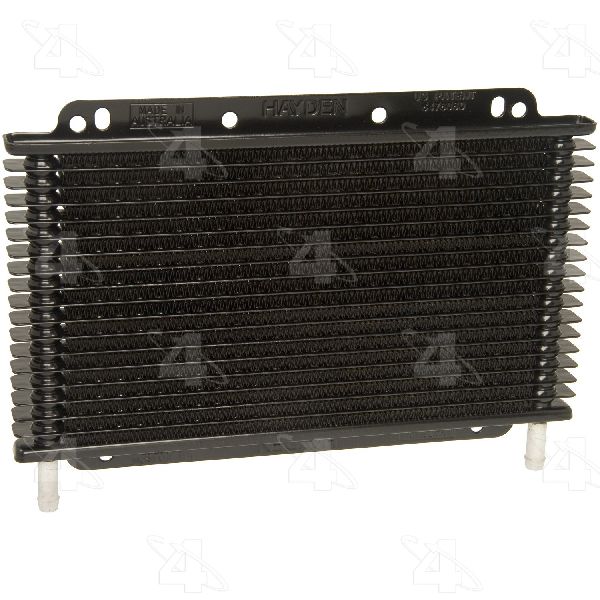
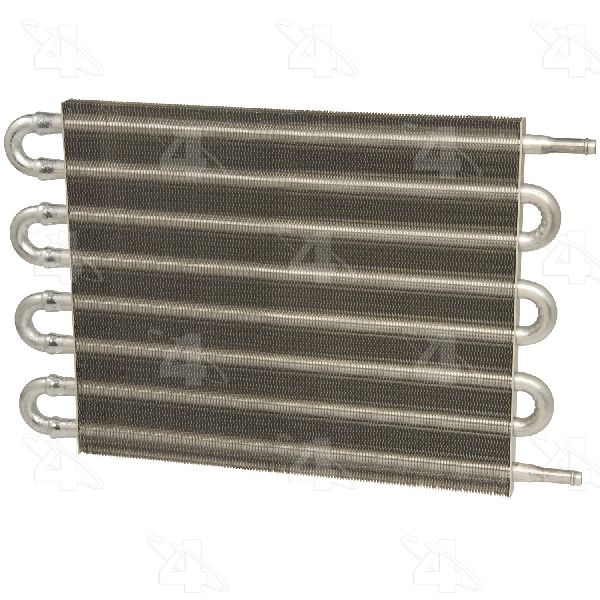
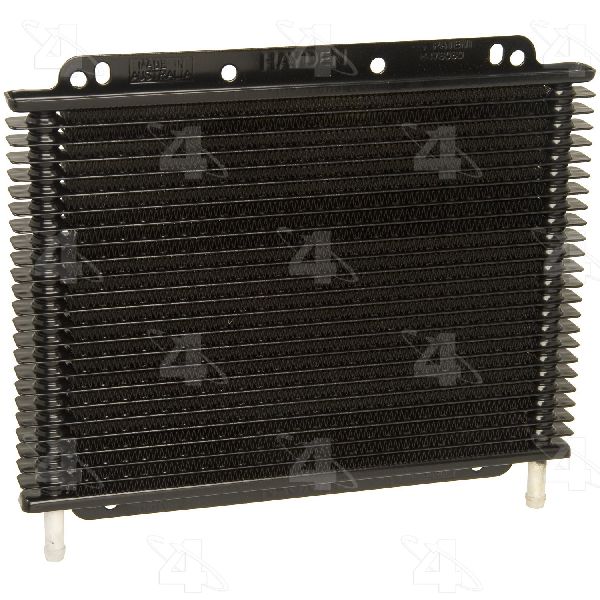
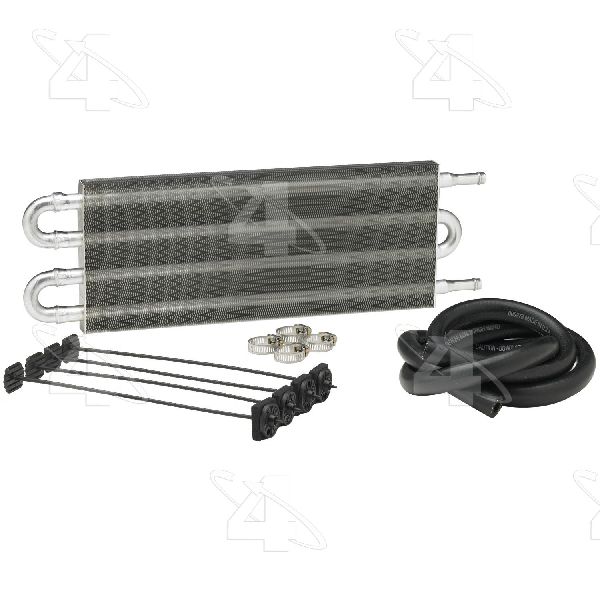
For a vehicle this age, an aftermarket cooler is your most likely and practical option. Original equipment (OEM) parts can be hard to find or discontinued. The good news is that many aftermarket coolers, especially from specialized brands, can offer better performance than the original. There are two main types: tube-and-fin and stacked-plate. For a heavy vehicle like an E-150, a stacked-plate cooler is generally a better, more durable choice.
A Note on Used Coolers
While a used cooler is a cheap option, it's very risky. If the cooler came from a vehicle with a failed transmission, it could be full of metal shavings. If you install it on your van, that debris will get pumped directly into your transmission, destroying it. If you must use a used part, it is absolutely critical to have it professionally flushed and cleaned.
Aftermarket Brand Tiers for Your Econoline
Your E-150 works hard, so investing in a quality cooler is a smart move. Here’s a breakdown of the available brands:
- Heavy-Duty / Performance (Recommended): Brands like Derale and Hayden specialize in cooling products. They are well-regarded for their quality and performance, especially their stacked-plate designs which are more efficient and durable. For an E-150 that tows or carries heavy loads, upgrading to a larger cooler from one of these brands is a wise investment to protect your transmission.
- Standard Replacement: Brands like Four Seasons and Global Parts offer direct-fit replacements that meet original specifications. These are a good, budget-friendly choice if you use your van for light-duty work and just need to replace a leaking or damaged original cooler.
Known Issues for 1975-2003 Ford E-150
No specific recalls or Technical Service Bulletins (TSBs) from the National Highway Traffic Safety Administration (NHTSA) directly target the auxiliary transmission cooler itself for this wide year range. Most issues are related to age and wear, such as:
- Leaking Lines: The rubber hoses and metal lines going to and from the cooler can rust, crack, or become brittle over time, causing leaks. The quick-connect fittings can also wear out and start to seep fluid.
- AOD Transmission Heat: Some owners of E-150s with the AOD automatic transmission note that they can run hot, making a properly functioning and efficient cooler even more important.
- Clogs: If a transmission has internal wear, debris can travel into the cooler and clog it, preventing fluid from flowing and causing the transmission to overheat quickly. This is why it's recommended to replace the cooler any time a transmission is replaced or rebuilt.
Pro Tip: Installation
When replacing your cooler, it's a great time to also replace the rubber hoses, which are likely old and brittle. Make sure the new cooler is mounted securely and that the lines are not rubbing against any sharp metal edges to prevent future leaks. Also, check and top off your transmission fluid level after installation, as you will lose some fluid during the process.
Frequently Asked Questions
Can I install a bigger transmission cooler on my E-150?
Yes, and it's highly recommended if you tow, haul heavy loads, or live in a hot climate. An oversized or heavy-duty cooler from a brand like Derale or Hayden is one of the best upgrades you can make to extend the life of your transmission.
Should I bypass the cooler in the radiator?
It depends. Running the fluid first through the radiator cooler and then through an auxiliary cooler is the most common setup for maximum cooling. The radiator helps bring the fluid up to operating temperature in the cold and provides some cooling. However, some aftermarket cooler kits for warranty purposes may require you to bypass the radiator. For most E-150 owners, using both is ideal.
What type of transmission fluid do I need?
This depends on the year and specific transmission in your van. Check your owner's manual. Using the wrong fluid can cause shifting problems and damage. When in doubt, consult a professional or your local auto parts store.
How do I know if my cooler is leaking or if it's something else?
Transmission fluid is typically reddish and has a unique smell. It will leak from the front of the vehicle, near the grille where the cooler is located. Engine oil is brown or black, and coolant (antifreeze) is often green, orange, or pink and has a sweet smell. If you see a pink, milky fluid, it could be a sign that the internal radiator cooler has failed and is mixing coolant with transmission fluid, which is a critical issue.
Technical Specifications
OEM Part Numbers: 4C2Z-7A095-DA 4C2Z7A095EA F7UZ7A095EB
The primary aftermarket options are tube-and-fin or the more robust and efficient stacked-plate coolers. The cooler is located in front of the A/C condenser and radiator. Access requires removing the grille.
We Have This Part in Stock

The information in this article is provided for general reference and educational purposes only. Vehicle specifications, procedures, and part compatibility can vary by production date, trim level, and region. Always consult your vehicle's factory service manual and verify part numbers before purchasing or performing repairs. Safety-critical components such as airbags, seat belts, and braking systems should be installed by a qualified professional.