

Ford F-150 Windshield Washer Pump Guide: 1975-2004
Everything F-150 owners need to know about diagnosing and replacing a faulty windshield washer pump.
- Before replacing the pump, always check for a clogged filter screen at the pump's base, as this is a very common and free fix.
- Replacement is a simple DIY job for most owners, typically taking less than an hour with basic tools.
- Access differs by generation: older (pre-97) trucks have easy access in the engine bay, while 1997-2004 models require removing the passenger headlight or wheel well liner.
- There are no known recalls or TSBs for the windshield washer pump on the 1975-2004 Ford F-150.
Is Your Washer Pump Really Bad? Check This First.
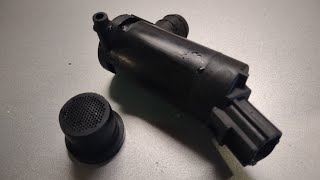
Before you buy a new pump, check for the most common issue: a clogged filter screen. Many F-150 owners find that the pump itself is fine, but the small screen at the pump's intake is blocked with gelled fluid or debris. This can happen from mixing different types of washer fluid. Cleaning this screen can often restore full function without needing a replacement part. If you hear the pump motor whirring but get little or no spray, a clog is the likely culprit.
Symptoms of a Failing Windshield Washer Pump
- No Sound, No Spray: You push the button and nothing happens. The wipers may move, but you don't hear the distinct humming sound of the pump motor. This usually points to a failed motor or an electrical issue like a blown fuse.
- Pump Hums, But No Fluid: If you can hear the motor running but no fluid comes out, the system is likely clogged, the reservoir is empty, or the lines are frozen.
- Weak or Uneven Spray: The fluid barely reaches the windshield or sprays unevenly. This can be caused by a dying pump that isn't producing enough pressure, or clogged nozzles. 🎬 Watch this guide to fixing clogged hoses and spray nozzles.
Choosing an Aftermarket Windshield Washer Pump
For a vehicle in the 1975-2004 age range, an aftermarket pump is a cost-effective and reliable choice. OEM parts can be expensive and offer little advantage for a simple component like this.
Trico is a well-known brand that has been making wiper-related products since 1917. Their aftermarket washer pumps are designed to be a direct fit, requiring no special adjustments for installation. Reviews from other vehicle owners are generally positive, citing easy installation and reliable performance. Given the straightforward nature of this part, a Trico aftermarket pump is a dependable option for your F-150.
Generation-Specific Replacement Info
Replacing the pump is a job most owners can do themselves in under an hour. However, the location varies by generation.
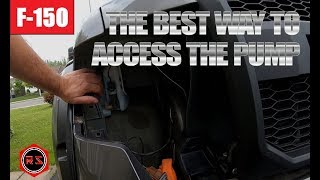
- 1997-2004 F-150 (10th Gen): The washer reservoir is hidden behind the passenger-side headlight. Access is gained by either removing the headlight assembly (usually three 10mm bolts) or by removing the plastic wheel well liner. Removing the headlight is often considered the easier method. 🎬 See how to access the pump behind the headlight assembly.
- 1975-1996 F-150 (6th-9th Gens): On these older trucks, the washer reservoir is typically mounted in the engine bay and is much easier to access. Replacement usually involves removing one or two bolts, lifting the reservoir out, and swapping the pump at the bottom. 🎬 Watch this step-by-step pump replacement for 1992-1996 models.
Ford F-150 Windshield Washer Pump Cost
| Part Type | Estimated Cost |
|---|---|
| New Aftermarket (Trico) | $23.94 - $27.43 |
| New OEM (Motorcraft) | $25 - $195 |
| Shop Labor | $89 - $130 |
Frequently Asked Questions (FAQ)
Are there any recalls on the 1975-2004 F-150 washer pump?
No. While there have been recalls for windshield wiper motors on much newer F-150 models, extensive searches of the NHTSA database and other sources show no recalls or widespread issues for the windshield washer pump on 1975-2004 models.
How difficult is it to replace the washer pump myself?
This is a great DIY project for beginners. The difficulty is low, typically rated 1 out of 5. For most models, it requires basic hand tools like a socket set and pliers. The most common challenge is accessing the pump, which may require removing the passenger headlight on 1997-2004 models.
How do I know if it's the pump or just a clog?
Listen for the pump motor. If you push the washer button and hear a humming sound, the pump has power and is trying to work. In this case, the problem is likely a clog in the filter screen, hoses, or nozzles. If you hear nothing, the pump motor has likely failed or has no power (check the fuse first).
Can I just use water in my washer reservoir?
It is not recommended. Using only water can lead to organic material and algae growing inside the reservoir, which can clog the pump's filter screen. In freezing temperatures, plain water can freeze and damage the reservoir, lines, and the pump itself. Always use a proper windshield washer fluid.
Helpful Videos

Technical Specifications
OEM Part Numbers: EOAZ-17664-A 8C3Z-17664-A 6F1Z-17664-A 7L2Z-17664-A
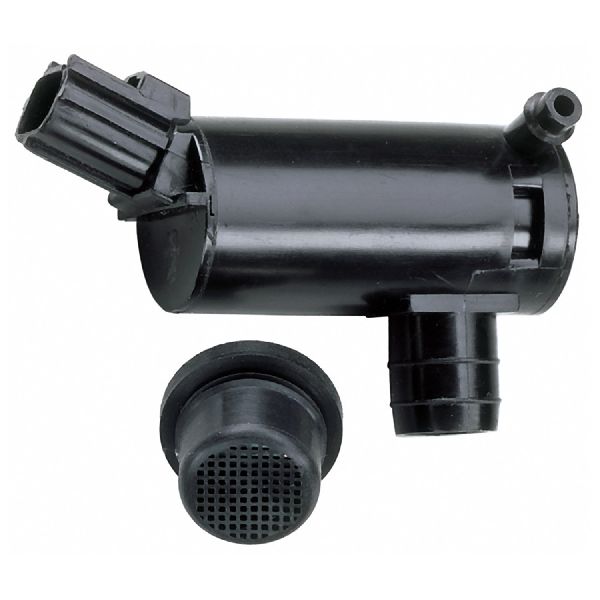
The pump is a small, 12V electric motor that press-fits into a rubber grommet at the bottom of the windshield washer fluid reservoir. Part numbers and designs vary significantly across the 1975-2004 model years, so verifying fitment is essential.
We Have This Part in Stock

The information in this article is provided for general reference and educational purposes only. Vehicle specifications, procedures, and part compatibility can vary by production date, trim level, and region. Always consult your vehicle's factory service manual and verify part numbers before purchasing or performing repairs. Safety-critical components such as airbags, seat belts, and braking systems should be installed by a qualified professional.