

Radiator Coolant Hose Guide for the 1976-1977 Mazda Mizer
Keep your classic Mizer's engine from overheating by learning to spot and replace its aging radiator hoses.
- Aftermarket hoses from brands like Dayco or Gates are the only reliable option for a 1976-1977 Mazda Mizer, as OEM parts are no longer available.
- Always replace both upper and lower radiator hoses at the same time, along with new hose clamps, to ensure a complete and lasting repair.
- Regularly inspect hoses for cracks, swelling, or soft spots to prevent a sudden failure that could leave you stranded.
- Do not drive if a hose is actively leaking or the engine is overheating, as this can cause catastrophic engine damage.
Signs of a Failing Radiator Hose
On a classic car like the 1976-1977 Mazda Mizer, rubber parts are well beyond their original lifespan. Heat, pressure, and age cause radiator hoses to break down. A sudden hose failure can leave you stranded. Look for these warning signs to prevent a breakdown.
- Coolant Leaks: This is the most obvious symptom. You may find puddles of green, yellow, or pink fluid under the front of your car. Look for crusty, colored deposits around the hose clamps, which indicates a slow leak.
- Visible Damage: Check the hoses for cracks, splits, or holes. A hose that feels hard and brittle is at risk of cracking and should be replaced.
- Swelling or Bulging: Soft or swollen spots are weak points that can burst without warning. This often happens when the hose's inner lining is damaged by oil or age.
- Spongy or Soft Feel: When the engine is cool, squeeze the hoses. They should feel firm. If a hose feels mushy or soft, it is rotting from the inside out and needs to be replaced.
- Engine Overheating: If your Mizer's temperature gauge suddenly climbs into the red, a collapsed or burst hose could be the cause. A failed hose stops coolant from circulating, leading to rapid overheating.
Choosing the Right Aftermarket Hose
For a vehicle as old as the 1976-1977 Mazda Mizer, finding original equipment (OEM) radiator hoses from Mazda is not a realistic option. Fortunately, high-quality aftermarket parts are the standard and reliable choice for keeping your classic on the road.
OEM vs. Aftermarket
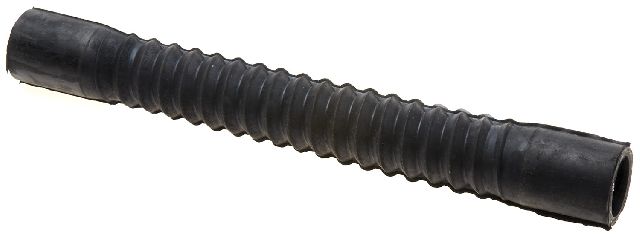
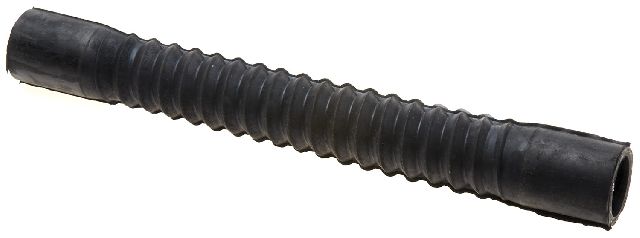
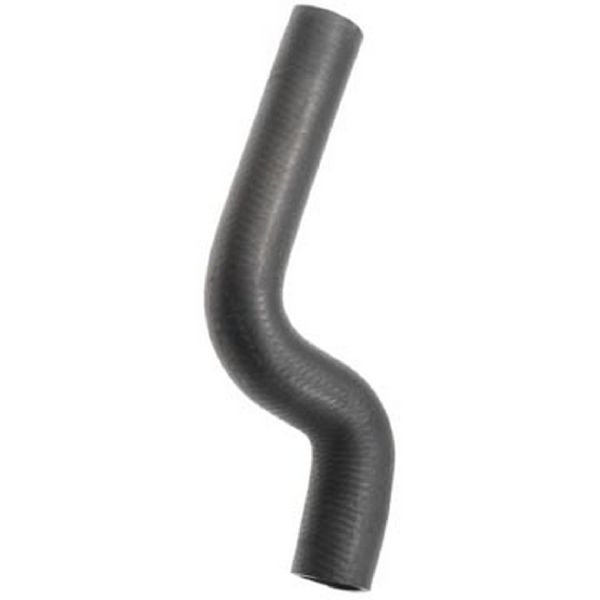
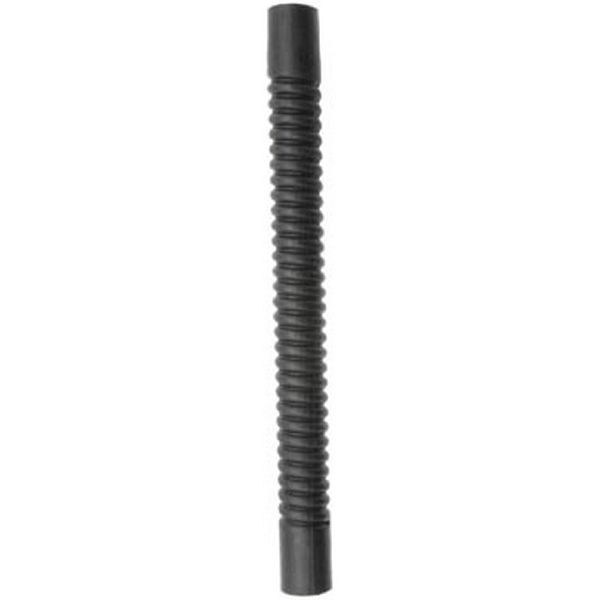
Original hoses for your Mizer have not been produced for decades. Aftermarket brands like Dayco and Gates are experienced manufacturers that produce dependable hoses designed to fit and function like the originals. The most important factor is ensuring the new hose has the correct shape and length. Always compare the new part to your old one before starting the installation.
Brand Tiers: Dayco vs. Gates
Both Dayco and Gates are well-respected brands in the auto parts world, and either is a solid choice for your Mazda Mizer. There is no clear performance winner between them for this specific vehicle, as both produce quality EPDM rubber hoses that meet or exceed original specifications.
- Gates: Often considered a top-tier aftermarket brand, Gates is a supplier for many new cars. Some mechanics prefer Gates, noting good fitment and a substantial feel.
- Dayco: Another reputable brand, Dayco also provides quality hoses. Some users have found Dayco hoses to be slightly thicker, while others have occasionally noted fitment issues on different vehicles.
Pro Tip: Since both brands are reliable, your choice can come down to price and availability. The best practice is to visually compare the new hose to the old one to ensure the bends match perfectly before you begin work.
Estimated Replacement Costs
Replacing radiator hoses on a simple, classic car like the Mizer is an inexpensive and straightforward job.
| Part Type | Part Cost | Shop Labor Cost | Total Estimated Cost |
|---|---|---|---|
| New Aftermarket (Dayco, Gates) | $21.65 - $31.49 | $100 - $180 | $122 - $212 |
Cost estimates are for replacing both upper and lower hoses and do not include the cost of new coolant.
Frequently Asked Questions (FAQ)
Should I replace both radiator hoses at the same time?
Yes. If one hose has failed due to age, the other is likely not far behind. Replacing both the upper and lower hoses at the same time is a smart, preventative measure that saves you from doing the job twice.
Do I need to replace the hose clamps too?
It is highly recommended. Old hose clamps can lose their tension, rust, or become difficult to remove without damage. New clamps are inexpensive and ensure a tight, leak-free seal on your new hoses.
Are there any recalls for 1976-1977 Mazda Mizer radiator hoses?
No. A search of the National Highway Traffic Safety Administration (NHTSA) database shows no recalls or technical service bulletins (TSBs) for the radiator hoses on the 1976-1977 Mazda Mizer. Any failures are due to the part's age and normal wear and tear.
Can I replace the radiator hoses myself?
Yes, this is a great DIY project for a beginner. The process involves draining the coolant, removing the old clamps and hoses, fitting the new parts, and refilling the system. The engine bay of the Mizer is simple to work in compared to modern cars.
Technical Specifications
Vehicle-specific fit for the 1976-1977 Mazda Mizer. Hoses are typically made of EPDM rubber to resist heat, coolant, and abrasion. Kit usually includes an upper and a lower hose.
We Have This Part in Stock

The information in this article is provided for general reference and educational purposes only. Vehicle specifications, procedures, and part compatibility can vary by production date, trim level, and region. Always consult your vehicle's factory service manual and verify part numbers before purchasing or performing repairs. Safety-critical components such as airbags, seat belts, and braking systems should be installed by a qualified professional.