

A Guide to Selecting Spark Plugs for the 1976-1979 Buick Opel
Keep your classic 1.8L Opel engine running strong by choosing the right spark plugs for the job.
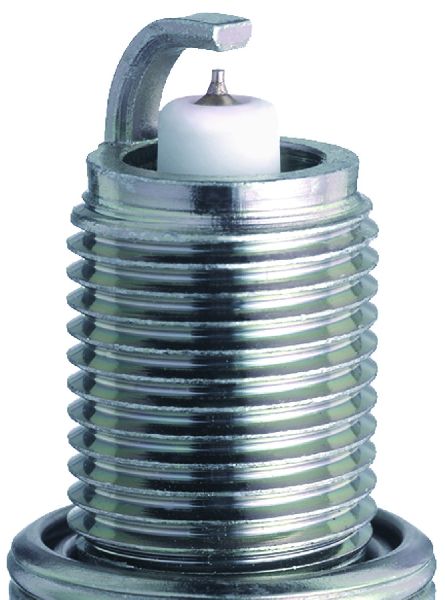
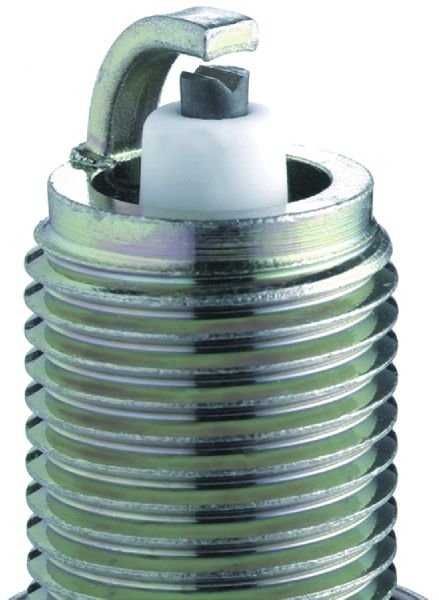
- The 1.8L Isuzu-built engine in your Opel runs perfectly on affordable, standard copper spark plugs from brands like NGK.
- Always verify the spark plug gap is set to 0.030 inches before you install them.
- Symptoms like rough idle, hesitation, and poor gas mileage are strong indicators that your spark plugs need replacement.
- This is a simple DIY job that requires only basic hand tools and about 30 minutes of your time.
Symptoms of Failing Spark Plugs in Your Buick Opel
The 1.8L engine in the 1976-1979 Buick Opel is a straightforward design, but it still depends on good spark plugs to run correctly. When plugs start to wear out, you'll likely notice one or more of these signs:
- Rough Idle: The engine may shake or vibrate more than usual when you're stopped.
- Engine Misfires: You might feel a hesitation or stumble from the engine, especially when accelerating. This happens when a plug fails to ignite the fuel in its cylinder.
- Difficulty Starting: Worn plugs have a harder time creating a strong enough spark to start the engine, particularly in cold weather.
- Poor Fuel Economy: When plugs aren't firing efficiently, the engine burns more fuel to produce the same amount of power.
- Black or Sooty Exhaust: Inefficient combustion from bad plugs can lead to a richer-running engine, causing darker exhaust smoke.
A Note on Diagnostics
Your 1976-1979 Buick Opel was built before modern On-Board Diagnostics (OBD-II). This means it won't store trouble codes like P0300 (Random Misfire) that a modern scanner can read. Diagnosing issues on this car relies on observing these physical symptoms.
Choosing the Right Aftermarket Spark Plugs
Since Original Equipment (OEM) parts for this vehicle are rare, the aftermarket is your best source. The good news is that many high-quality aftermarket brands are available and offer excellent performance for the Opel's 1.8L engine, which was designed by Isuzu. For this engine, expensive precious-metal plugs are not necessary; standard copper plugs perform very well and were the original technology.
Brand Quality Tiers
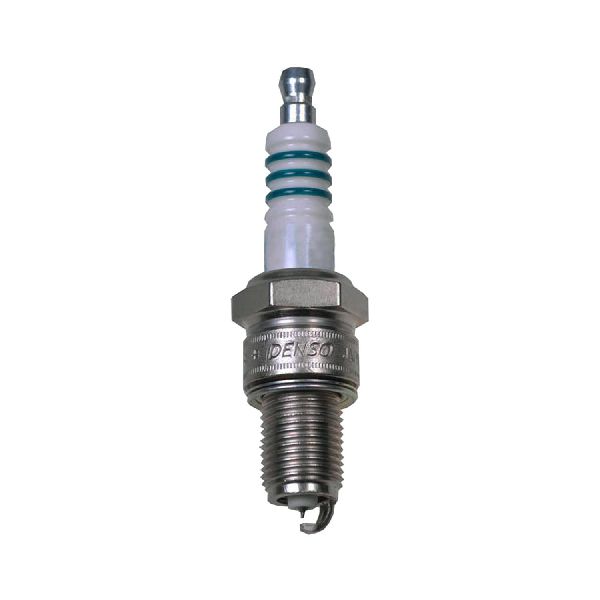
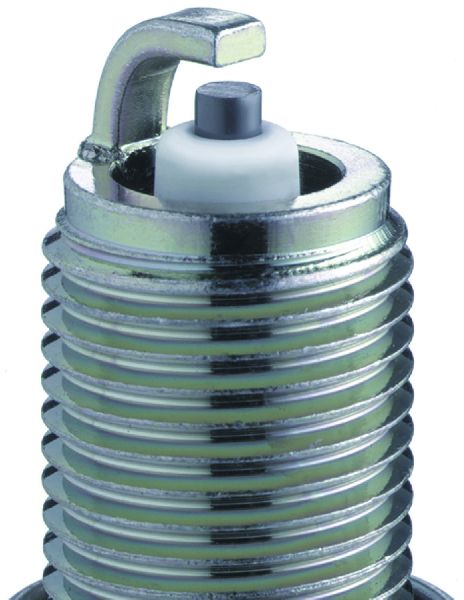
- Excellent Quality (Recommended): NGK and Denso are Japanese brands highly regarded for their reliability and performance, making them a great match for the Isuzu-designed engine. They are often the top choice for consistent performance.
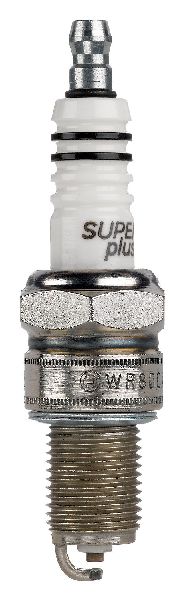
- Good Quality (Standard): Bosch and Autolite are reputable brands that produce reliable spark plugs meeting or exceeding OEM specifications. They are a solid, dependable choice for daily driving.
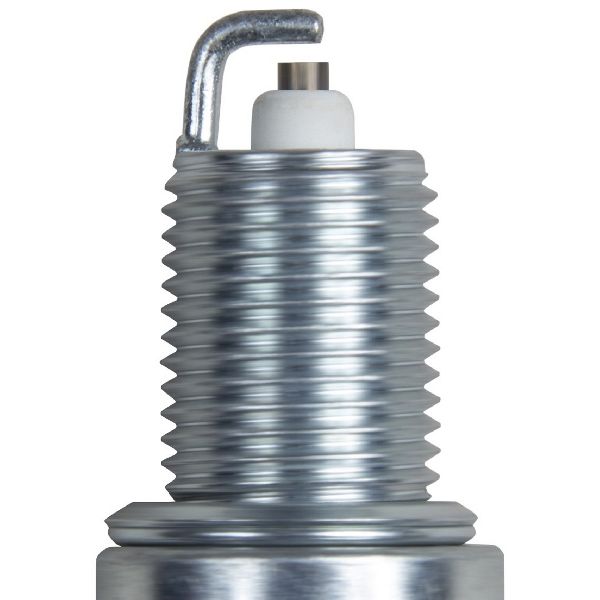
- Economy Choice: Champion plugs are a budget-friendly option that can perform adequately, though some owners have reported more inconsistent quality compared to premium brands.
| Plug Type | Common Brands | Typical Price (per plug) | Notes |
|---|---|---|---|
| Standard Copper | NGK, Champion, Autolite | $3.23 - $6.00 | Excellent performance for this engine. Shorter lifespan (change every 15-20k miles). |
| Platinum | NGK, Bosch, Denso | $5.00 - $16.38 | Longer lifespan than copper. A good upgrade if you want fewer changes. |
Frequently Asked Questions (FAQ)
How often should I change the spark plugs?
For standard copper plugs, a good interval is every 15,000 to 20,000 miles. If you opt for platinum plugs, you can extend that to 40,000 miles or more. Given the low cost, frequent changes are good preventative maintenance.
What is the correct spark plug for my Opel?
The standard NGK part number often recommended is BPR6ES or its equivalent. Always use a parts catalog to confirm the exact fitment for your 1976-1979 Buick Opel to ensure correct thread size and heat range.
Do I need special tools to change my spark plugs?
The job is straightforward and requires basic tools: a ratchet, a spark plug socket (usually 5/8"), an extension, and a spark plug gapping tool. A torque wrench is recommended for proper installation.
Is it okay to use anti-seize on the plug threads?
This is a debated topic. Some plug manufacturers, like NGK, advise against it as their plugs have a special coating. If you do use it, apply only a very small amount to the threads, avoiding the electrode, and reduce the final torque by about 10-15% to avoid over-tightening.
Technical Specifications
Spark Plug Gap: 0.030 inches (0.76 mm) Thread Size: 14mm Engine Firing Order: 1-3-4-2 (Clockwise)
We Have This Part in Stock

The information in this article is provided for general reference and educational purposes only. Vehicle specifications, procedures, and part compatibility can vary by production date, trim level, and region. Always consult your vehicle's factory service manual and verify part numbers before purchasing or performing repairs. Safety-critical components such as airbags, seat belts, and braking systems should be installed by a qualified professional.