

A Ford Bronco Owner's Guide to the Automatic Transmission Mount (1976-1980)
Eliminate clunks, bangs, and excessive vibrations by understanding how to choose the right transmission mount for your second-gen Bronco.
- Symptoms of failure include clunking noises when shifting, excessive vibration, and visible transmission movement.
- Aftermarket brands like Anchor, DEA, and Westar are cheap but have a widespread reputation for poor quality and short lifespan.
- If possible, seek out a New Old Stock (NOS) Ford part or a better-quality aftermarket brand like Pioneer for longer service life.
- Always use your parking brake, as transmissions from this era were subject to a safety investigation for slipping out of Park.
Symptoms of a Failing Transmission Mount
Because the transmission mount's job is to hold the transmission steady, most failure symptoms are related to excessive movement and noise. On a 40+ year old Bronco, the original rubber has likely become brittle, cracked, or saturated with oil, leading to failure. Here’s what to look and listen for:
- Clunking or Banging Noises: This is the most common symptom. You may hear a loud "clunk" or "thud" when you shift from Park into Drive or Reverse. The noise can also happen when you accelerate hard or let off the gas, as the transmission rocks back and forth and hits the frame.
- Excessive Vibrations: If the rubber insulator is worn out, it can no longer absorb drivetrain vibrations. You'll feel these new vibrations in the floor, the seat, or the steering wheel. This shaking often gets worse under acceleration.
- Visible Drivetrain Movement: You can often diagnose a bad mount with a helper. With the parking brake set firmly and the wheels chocked, have a helper shift the transmission from Drive to Reverse while you safely observe the transmission from the side. If you see the transmission and transfer case lift or move excessively, the mount is likely shot.
Historical Note: Park-to-Reverse Issue
During the late 1970s and early 1980s, NHTSA investigated an issue with Ford automatic transmissions of this era, including the C6, where the gear selector could slip from Park into Reverse, potentially causing the vehicle to roll away. This was determined to be an issue with the transmission's internal linkage and design, not the transmission mount. While not a mount-related problem, owners of these classic Broncos should be aware of this historical issue and always use their parking brake.
Choosing the Right Aftermarket Mount
Finding a genuine Ford (OEM) transmission mount for a 1976-1980 Bronco is nearly impossible, as they have been discontinued for many years. Your only OEM option is finding a New Old Stock (NOS) part online or at a swap meet, which can be expensive. This leaves aftermarket parts as the most realistic choice. However, quality varies dramatically.
Aftermarket Brand Tiers
Based on extensive forum discussions and mechanic feedback, aftermarket mounts for these vehicles generally fall into two quality tiers.
Economy Brands (Anchor, DEA, Westar)
These brands are widely available and very inexpensive. However, there is a strong consensus among vehicle owners that they are of low quality. Forum users frequently report that mounts from Anchor, DEA, and Westar fail prematurely, sometimes within a year or even months. Common complaints include the use of rubber that is too hard (transmitting more vibration) or too soft, and thinner gauge steel than the original parts. While they may work in a pinch, consider them a short-term fix.
Standard Replacement Brands (Pioneer)
Some users have reported better experiences with brands like Pioneer. Feedback suggests their mounts can be closer to the original factory design and quality compared to the economy options. While still an aftermarket part, they may offer a better balance of price and longevity for owners looking for a more durable solution.
Pro Tip: When you replace the transmission mount, it's a good idea to inspect your two engine mounts as well. These three mounts work together as a system. A failed transmission mount puts extra stress on the engine mounts, and they often wear out around the same time. Replacing all three can restore a much smoother feel to your Bronco.
Typical Replacement Costs
The cost for the part itself is low, but be mindful that choosing the cheapest option may lead to replacing it again sooner than you'd like.
| Item | Estimated Cost |
|---|---|
| New Aftermarket Mount | $15 - $60 |
| New Old Stock (NOS) OEM Mount | $75 - $200+ (if found) |
| Used OEM Mount | $10 - $30 (risky due to age) |
| Shop Labor | $100 - $200 |
Frequently Asked Questions
How do I confirm my transmission mount is bad?
The best way is a physical inspection. Safely get under the truck and look at the mount, which is located on the crossmember beneath the transmission. Look for cracked, torn, or oil-soaked rubber. You can also use a pry bar to gently check for excessive movement between the transmission and the crossmember; there should be very little play.
Is this the same as an engine mount?
No. Your Bronco has two engine mounts that support the engine at the front, and one transmission mount that supports the transmission and transfer case at the rear. They are all part of the same system that holds your drivetrain in place.
Can a bad transmission mount cause other damage?
Yes. A completely failed mount allows for excessive movement that can put stress on your driveshaft U-joints, exhaust pipes, and engine mounts. In severe cases, it can even lead to transmission fluid leaks if the case is stressed. Addressing a bad mount early is the best approach.
How long should a new aftermarket mount last?
This depends heavily on the brand. Many owners report that economy brands like DEA and Anchor may only last a year or two, especially with regular use. Higher-quality aftermarket or NOS parts should last much longer, potentially 5-10 years or more, similar to the original factory parts.
Technical Specifications
The common aftermarket part number for the 1976-1980 Ford Bronco automatic transmission mount is 2448, used by brands like Anchor, DEA, and Westar.
We Have This Part in Stock
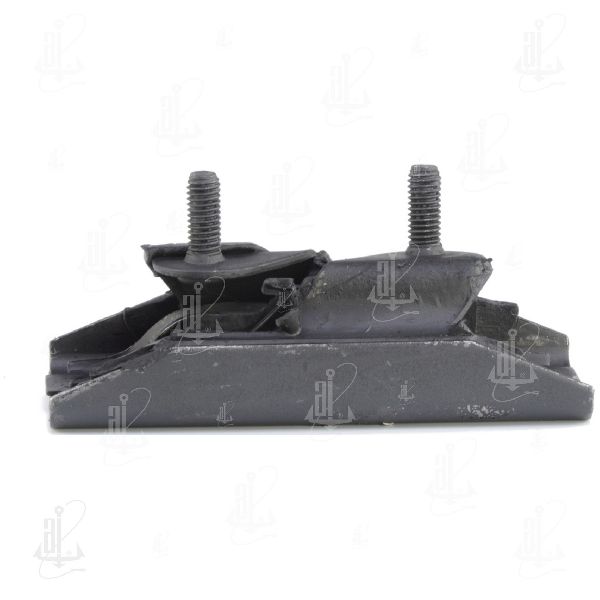
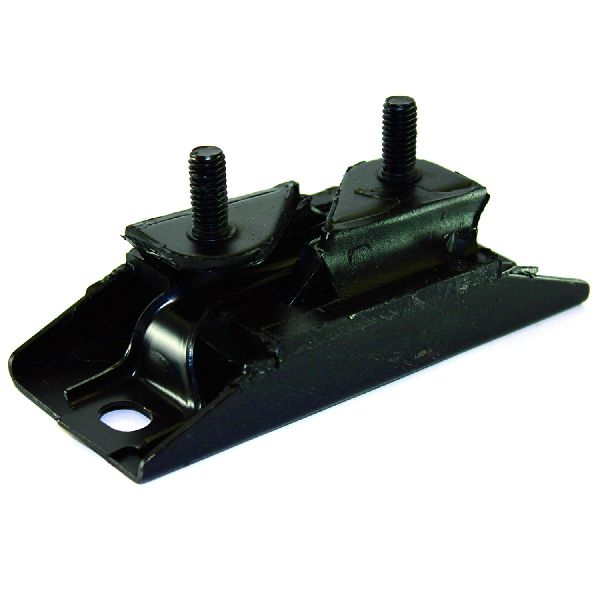
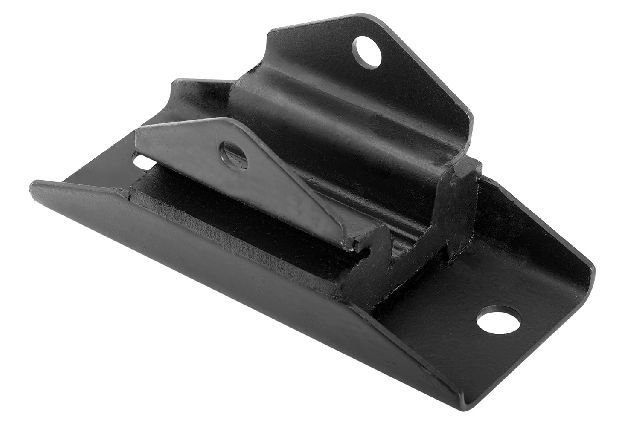

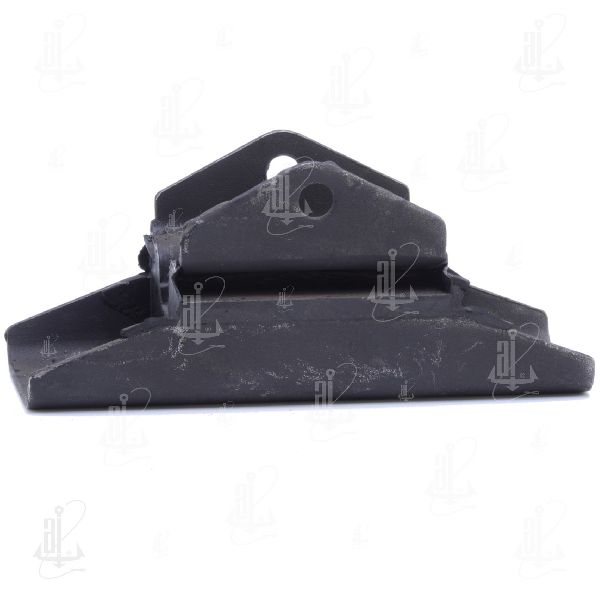

The information in this article is provided for general reference and educational purposes only. Vehicle specifications, procedures, and part compatibility can vary by production date, trim level, and region. Always consult your vehicle's factory service manual and verify part numbers before purchasing or performing repairs. Safety-critical components such as airbags, seat belts, and braking systems should be installed by a qualified professional.