

Choosing the Right Spark Plugs for Your 1976-1980 Jaguar XJS V12
Keep your classic pre-HE V12 engine running smoothly with the correct set of twelve spark plugs.
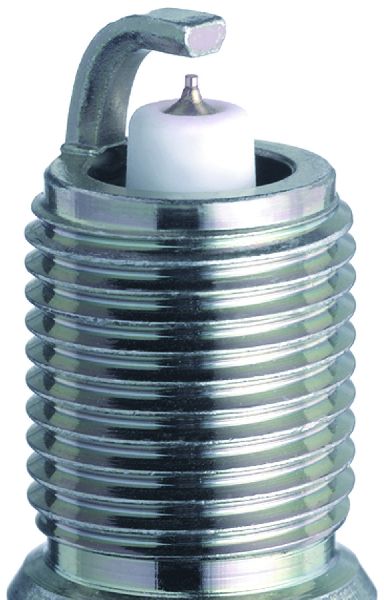
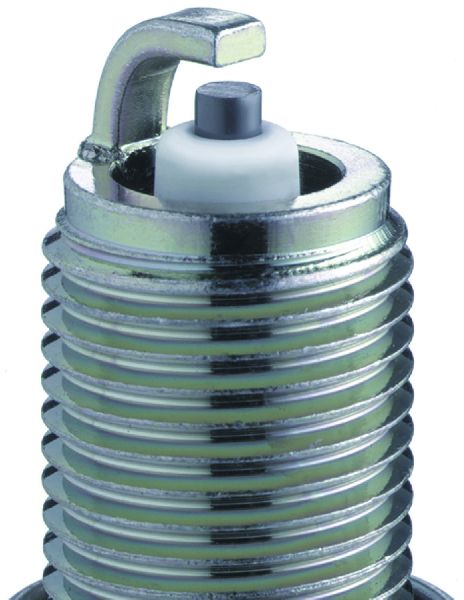
- The enthusiast-recommended plug is the NGK BP5ES; avoid modern Champion plugs and precious-metal types.
- You must gap new plugs to 0.025 inches before installation for proper engine performance.
- Replacement is a very time-consuming job (6-8 hours) that requires removing engine components like the A/C compressor for access.
- The pre-HE V12 engine is prone to fouling plugs, especially with short-trip driving.
Symptoms of Failing Spark Plugs
The V12 engine is sensitive to spark plug condition. Worn or incorrect plugs can cause noticeable problems. Look out for these signs:
- Rough Idle: The engine may shake or run unevenly when stopped.
- Engine Misfires: You might feel a hesitation or stumble during acceleration. A misfire on the V12 can sometimes be subtle, but a paper test on the exhaust pipes can show an uneven output.
- Poor Fuel Economy: If the engine isn't burning fuel efficiently, you'll see a drop in your already low MPG.
- Difficulty Starting: Weak or fouled plugs can make it hard for the engine to fire up.
- Check Engine Light: While less common on these earlier models, a persistent misfire can trigger engine warnings on cars equipped with them.
Known Issues
The 1976-1980 Jaguar XJS does not have any official recalls or Technical Service Bulletins (TSBs) directly related to its spark plugs. However, the pre-HE V12 engine is well-known among owners for being prone to spark plug fouling. This is often caused by excessive short-trip driving where the engine doesn't get hot enough to burn off carbon deposits. To combat this, owners often recommend an "Italian tune-up"—a spirited drive with periods of high RPMs to help clean the plugs. Fouling can also be a symptom of a richer-than-necessary fuel mixture or minor oil leaks.
Choosing the Right Aftermarket Spark Plug
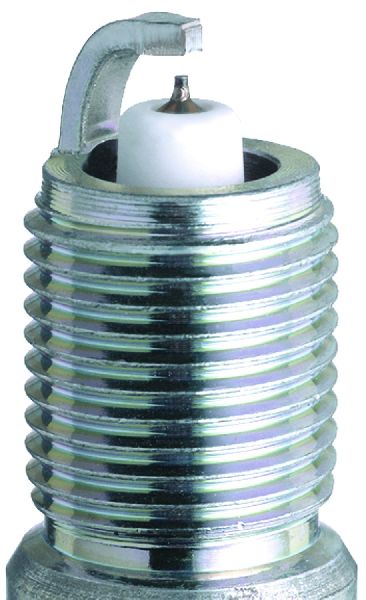
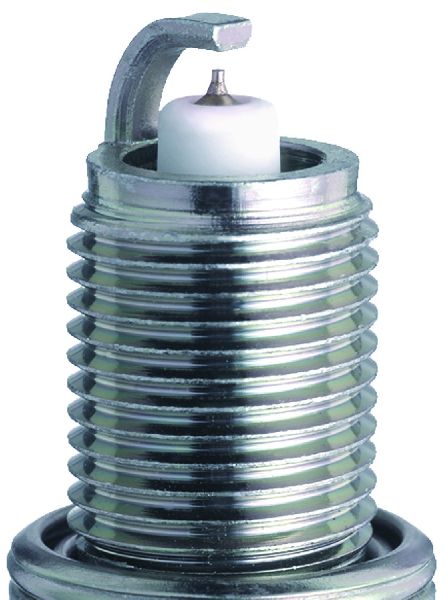
While Jaguar originally fitted Champion plugs, the overwhelming consensus among V12 owners today is to use NGK plugs for better quality and reliability. Modern Champion plugs are not considered to be of the same quality as they were in the 1970s. Avoid gimmick plugs like Iridium or multi-electrode types; the stock ignition system was designed for standard copper-core plugs.
Brand Quality & Cost
| Brand Tier | Brands | Our Price Range (per plug) | Notes |
|---|---|---|---|
| Enthusiast's Choice | NGK | $3.68 - $8.99 | The NGK BP5ES is the highly recommended plug for the pre-HE V12. It offers excellent performance and resists fouling better than competitors. |
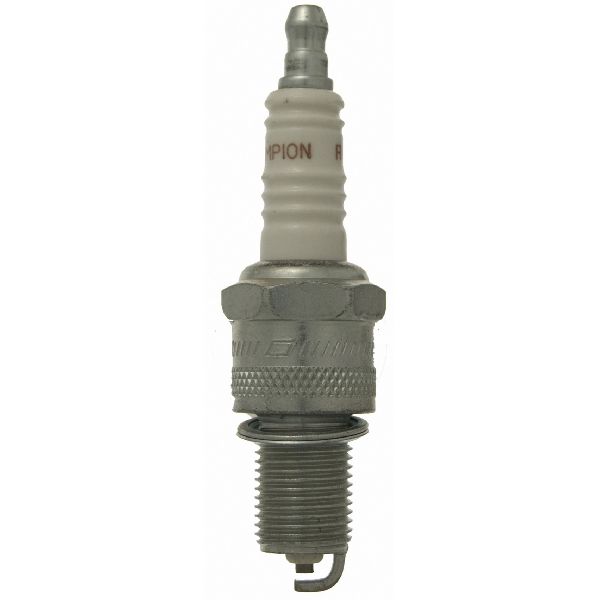
| OEM-Style Alternative | Champion, Bosch | $3.99 - $10.50 | Champion was the original equipment, but owner feedback suggests modern quality is inconsistent. Bosch is considered a reliable second choice if NGK is unavailable. |
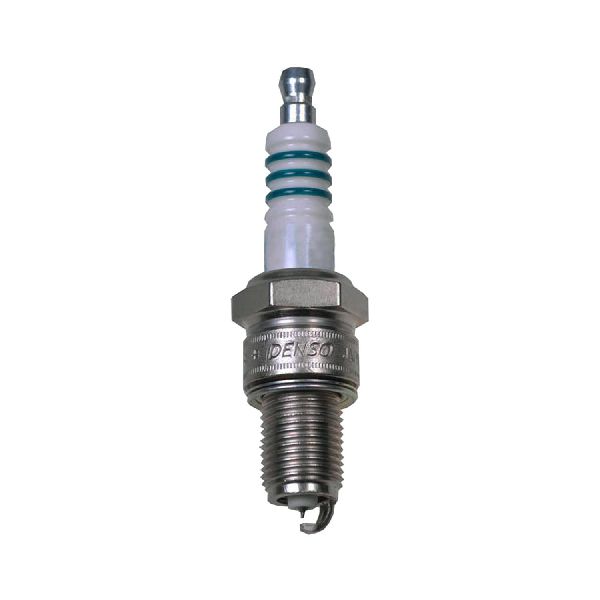
| Value Options | Autolite, Denso | $3.68 - $9.50 | These brands are functional and affordable but have less specific feedback from the XJS community compared to NGK. |
Critical Installation Information
Replacing the spark plugs on the Jaguar V12 is a difficult and time-consuming job. It is not for the novice mechanic. Access to all 12 plugs, especially the front two (1A and 1B), requires removing the A/C compressor, cruise control bellows, and throttle pedestal. The job can take between 6 to 8 hours. It is crucial to clean the area around the plugs before removal to prevent debris from falling into the engine cylinders. Using a small amount of anti-seize on the new plug threads is recommended.
Frequently Asked Questions
What is the best spark plug for my 1976-1980 XJS?
The community-recommended spark plug is the NGK BP5ES. It is a reliable, high-quality plug that works very well with the pre-HE V12 engine's ignition system.
What is the correct spark plug gap?
The correct spark plug gap for this engine is 0.025 inches (0.64mm). Always check and adjust the gap on new plugs before installation, as they are rarely set correctly out of the box for this specific application.
Why is my XJS fouling spark plugs?
The pre-HE V12 is known to foul plugs, often due to a rich fuel mixture or frequent short trips without reaching full operating temperature. A fouled plug will be black and sooty. If the problem persists with new, correctly gapped plugs, you may need to investigate the fuel system or look for oil leaks.
Are expensive iridium or platinum plugs better for my XJS?
No. For the 1976-1980 XJS, standard copper/nickel plugs like the NGK BP5ES are recommended. The original ignition system was not designed for the characteristics of precious metal plugs, and they offer no performance benefit on this engine.
Technical Specifications
OEM Part Numbers: EAC8915 N9Y BP5ES
Required Quantity: 12. Recommended Plug: NGK BP5ES. Required Gap: 0.025 inches (0.64 mm). Socket Size: 16mm.
We Have This Part in Stock

The information in this article is provided for general reference and educational purposes only. Vehicle specifications, procedures, and part compatibility can vary by production date, trim level, and region. Always consult your vehicle's factory service manual and verify part numbers before purchasing or performing repairs. Safety-critical components such as airbags, seat belts, and braking systems should be installed by a qualified professional.