

A Guide to Replacing the Starter Motor on a 1976-1980 Mercury Cougar
From slow cranking to that dreaded click, here's how to choose the right new starter for your classic Cougar.
- For V8 models, upgrading to a modern gear-reduction starter is the best way to prevent common 'heat soak' issues.
- Before replacing the starter, always check the battery, all cable connections, and the fender-mounted starter solenoid for corrosion or looseness.
- Symptoms like a single click, slow cranking, or grinding noises are clear indicators that the starter is failing.
- Replacement is a manageable DIY job for most home mechanics, typically requiring 1-2 hours and basic tools.
Is Your Cougar's Starter Failing?
A bad starter rarely fails without warning. For the 1976-1980 Mercury Cougar, which used large, heavy, direct-drive starters from the factory, the symptoms are often clear. Before you get stranded, watch for these signs:
- Single Loud Click: You turn the key and hear one sharp "CLICK" but the engine doesn't crank. This often points to a bad starter solenoid, which is part of the starter assembly.
- Slow, Labored Cranking: The engine turns over much slower than usual, as if the battery is weak. If the battery and cables are good, the starter motor itself is likely worn out and drawing too much power.
- Grinding Noise: A harsh grinding sound during startup means the starter's gear is not meshing correctly with the engine's flywheel, or the teeth on either gear are damaged.
- Intermittent Starting: The car starts fine one day but refuses to crank the next. This inconsistency is a classic sign of a starter on its last legs.
- No Sound at All: If your battery is charged and you hear nothing when you turn the key, the starter could be completely dead.
Known Issue: Starter Heat Soak on V8 Models
Owners of Cougars with V8 engines (like the 302, 351M, or 400) often experience a problem called "heat soak." This happens when the starter, located close to the hot exhaust manifold, gets so hot that its internal electrical resistance increases. The symptom is a car that starts fine when cold but cranks very slowly or not at all after it has been driven and warmed up. Pouring water on the starter to cool it down is a temporary fix that confirms the issue. Upgrading to a modern gear-reduction starter is the most effective solution.
Choosing the Right Aftermarket Starter
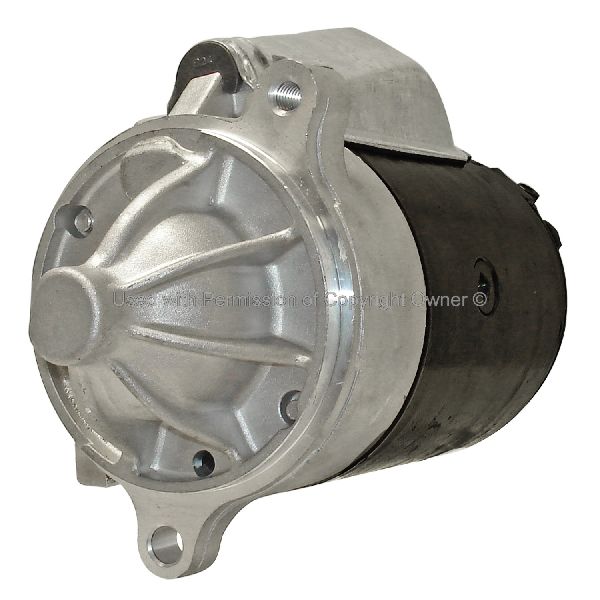
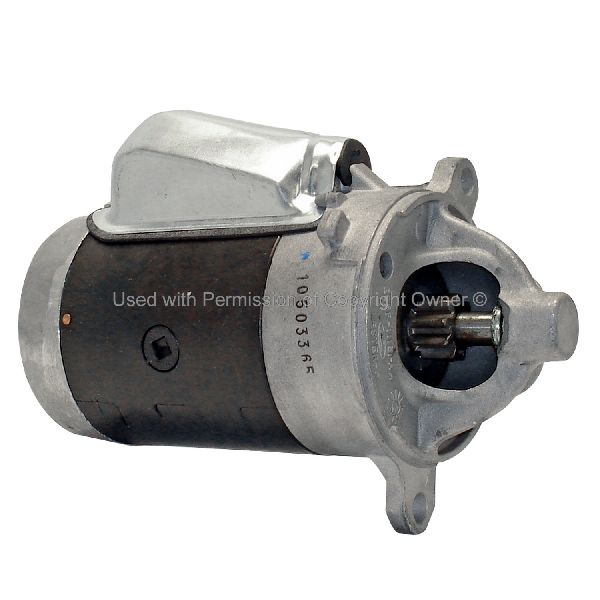
The original starters on these Cougars were large, heavy "direct-drive" units. Modern aftermarket replacements are often smaller, lighter, and more powerful "gear-reduction" starters. For most owners, a gear-reduction starter is a significant upgrade.
Direct-Drive vs. Gear-Reduction Starters
- Direct-Drive: The original style. A large motor spins the starter gear at a 1:1 ratio. They are heavy and require a lot of power from the battery.
- Gear-Reduction: The modern design. A smaller, high-speed motor uses internal gears (often a 4:1 ratio) to multiply torque. This means they can spin the engine with less battery power, are lighter, smaller, and are much better at overcoming issues like heat soak or high engine compression.
Aftermarket Brand Tiers
Not all aftermarket brands are the same. They generally fall into three categories:
Tier 1: High-Torque & Performance Brands
These are premium, gear-reduction starters ideal for V8 engines, modified cars, or as a permanent fix for heat soak. They provide the most cranking power.
- Powermaster: Highly regarded for reliability and power. Many classic Ford owners use them to solve heat soak problems and for their fast, reliable cranking.
- MSD: Known for powerful performance, but some users have reported reliability issues, with failures sometimes occurring just after the warranty period.
- Ford Performance: Offers high-quality parts designed for Ford vehicles, often a trusted choice for those wanting performance and a good fit.
Tier 2: OEM-Quality Replacement Brands
These brands offer new, reliable starters that meet or exceed original factory specifications. They are a great choice for stock six-cylinder or V8 engines in daily drivers.
- ACDelco: A well-known and trusted name in the parts industry, offering dependable OEM-quality components.
- MPA & Proform: These brands provide solid, new replacement parts that are a cost-effective alternative to premium brands while still offering reliable service.
Tier 3: Economy & Specialty Brands
This category includes budget-friendly options and brands focused on specific niches.
- Mr. Gasket: A brand with a long history in the performance and hot-rod community, often offering specialized parts.
| Part Tier | Typical Price Range (Part Only) | Best For |
|---|---|---|
| High-Torque / Performance | $220 - $392 | V8 engines, modified cars, solving heat soak |
| OEM-Quality Replacement | $90 - $220 | Stock engines, reliable daily driving |
| Economy / Remanufactured | $59 - $150 | Budget-conscious repairs |
Pro Tip: Check Your Cables First!
Before replacing the starter, inspect your battery cables, ground straps, and the fender-mounted starter solenoid (relay). On a car of this age, corroded or loose connections can cause the exact same symptoms as a bad starter. Hot battery cables after attempting to crank are a sign of high resistance in the circuit or a failing starter drawing too much current. Cleaning all contact points and ensuring a good ground from the engine to the chassis is a cheap and easy first step.
Frequently Asked Questions (FAQ)
Do I need a high-torque, gear-reduction starter?
If you have a V8 engine, especially a 351M or 400, a gear-reduction starter is highly recommended. It will provide faster, more reliable starts and is the best solution for heat soak issues. For a stock 6-cylinder engine, a standard direct-drive replacement is usually sufficient.
What is a starter solenoid and is it included?
On these Ford products, there are two components people call a solenoid. The first is a fender-mounted relay that sends power to the starter. The second is a small, cylindrical component attached to the starter motor itself that pushes the gear out to engage the flywheel. All new starters come with the starter-mounted solenoid already attached.
Is a new starter better than a remanufactured one?
For a critical component like a starter, a new part is generally a better investment. New starters use all new components and often come with better warranties. Remanufactured starters can be a good budget option, but their quality can be inconsistent.
Can a bad starter drain my battery?
Yes. A failing starter motor with worn internal components can draw excessive current from the battery while trying to crank the engine. This can drain a good battery quickly and make it seem like the battery is the problem.
Technical Specifications
OEM Part Numbers: D2AF-11131-CA
The primary specification difference is between the original Direct-Drive type and modern aftermarket Gear-Reduction types. The choice depends on the engine (I6 vs. V8) and transmission (manual vs. automatic), as mounting patterns and flywheel/flexplate depths can vary. Ensure the replacement is listed as compatible with your specific engine and transmission combination.
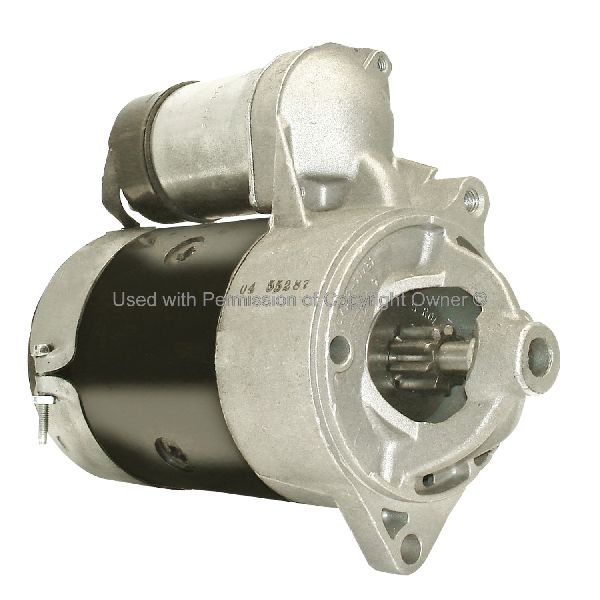
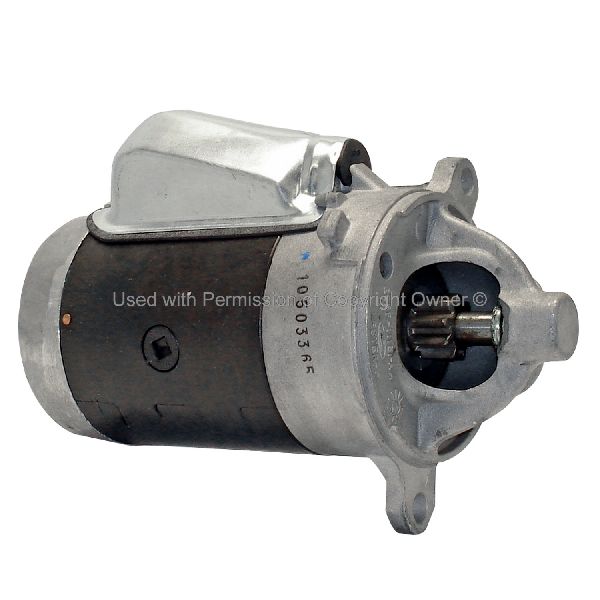
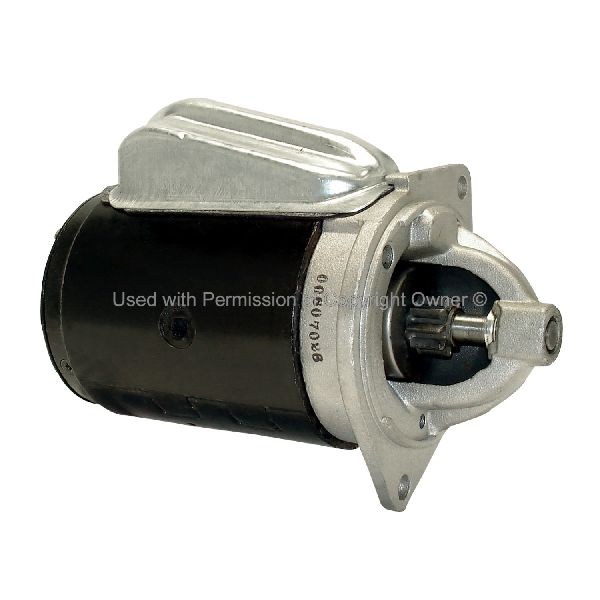
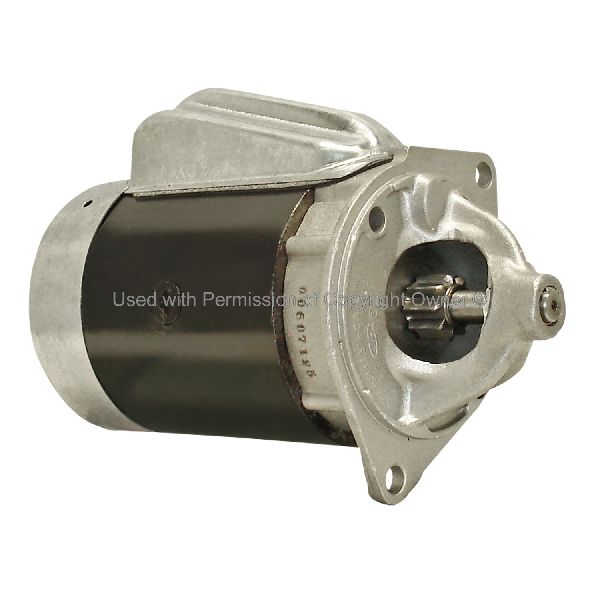
We Have This Part in Stock

The information in this article is provided for general reference and educational purposes only. Vehicle specifications, procedures, and part compatibility can vary by production date, trim level, and region. Always consult your vehicle's factory service manual and verify part numbers before purchasing or performing repairs. Safety-critical components such as airbags, seat belts, and braking systems should be installed by a qualified professional.