

A Practical Guide to Engine Mounts for the 1976-1981 Buick LeSabre
Stop the shaking and clunking by choosing the right replacement engine mount for your classic Buick.
- Symptoms include heavy vibration, clunking noises when shifting, and visible engine lifting during acceleration.
- Standard rubber mounts (Anchor, DEA) restore comfort but may have a shorter lifespan; polyurethane mounts (Energy Suspension) are durable but add vibration.
- There are no specific recalls or TSBs for engine mounts on this vehicle; failures are due to age.
- Replacement is a straightforward DIY job for this RWD car, requiring a jack to support the engine.
Signs of a Failing Engine Mount
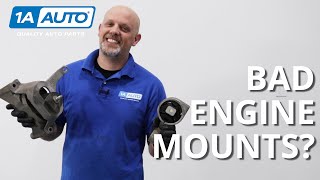
When the original engine mounts on your LeSabre wear out, the symptoms are hard to ignore. 🎬 Watch: See common symptoms of failed motor mounts in action. The rubber cracks, gets soaked with oil, or simply collapses from age. Here’s what to look for:
- Excessive Vibration: This is the most common sign. You'll feel a deep vibration through the steering wheel, floor, and seats, especially when the car is idling in Drive. The smooth ride your Buick is known for will be gone.
- Loud Noises: A loud 'clunk' or 'bang' when you shift from Park into Drive or Reverse is a classic symptom. You might also hear thumping sounds from the engine bay when you accelerate or hit bumps. This is the sound of the engine moving too much and hitting other parts. 🎬 Learn how to diagnose these bumps, thuds, and vibrations.
- Visible Engine Movement: Open the hood and have a helper safely put the car in Drive with their foot firmly on the brake, then briefly rev the engine. If you see the engine lurch or lift up significantly (more than an inch or two), the mounts are shot.
Known Issues & Recalls
Searches of the National Highway Traffic Safety Administration (NHTSA) database show no specific recalls or technical service bulletins (TSBs) for engine mounts on the 1976-1981 Buick LeSabre. Any issues you experience are due to normal wear and tear on a 40+ year-old part.
Choosing the Right Aftermarket Mount
Since Original Equipment (OEM) parts for this LeSabre are generally not available, you'll be choosing from aftermarket brands. They fall into two main categories: standard rubber replacements and performance polyurethane upgrades.
Standard Replacement Mounts (Rubber)
Brands: Anchor, DEA, Westar, Pioneer
These brands produce affordable, direct-fit replacements that aim to restore the original, comfortable ride. They use rubber to absorb vibrations just like the factory mounts. For a daily driver or a classic restoration where comfort is key, these are the right choice. However, quality can be inconsistent. Some users in online forums report these mounts failing prematurely, while others have used them for years without problems. They are a practical and budget-friendly option, but may not last as long as the originals did.
Performance Mounts (Polyurethane)
Brand: Energy Suspension
Energy Suspension offers mounts made from polyurethane, a much harder material than rubber. These are designed for performance and durability. They drastically reduce engine movement, which can improve throttle response. The major trade-off is a significant increase in engine vibration felt inside the car. These are best for modified cars or owners who prioritize performance over a quiet, smooth ride. Some owners have noted that minor grinding may be needed for a perfect fit.
Pro Tip: It's a good practice to replace both engine mounts at the same time. A new mount on one side can put extra stress on an old, worn mount on the other side, causing it to fail sooner. Also, inspect your transmission mount; if it's original, it's likely due for replacement as well.
Cost of New Aftermarket Engine Mounts
| Brand Category | Typical Price Range (Per Mount) | Best For |
|---|---|---|
| Standard Rubber (Anchor, DEA, Westar) | $16 - $30 | Restoring factory ride quality and comfort |
| Performance Polyurethane (Energy Suspension) | $40 - $55 | Durability and performance, at the cost of increased vibration |
Frequently Asked Questions (FAQ)
Is it hard to replace the engine mounts on a '76-'81 LeSabre?
For a DIYer with the right tools, it's a manageable job. The process involves safely supporting the engine from below with a floor jack and a piece of wood, unbolting the old mount, and installing the new one. Access is generally good on these rear-wheel-drive cars. You may need to lift the engine slightly higher than its resting position to get the new mount to line up correctly.
Should I choose rubber or polyurethane mounts?
Choose rubber (Anchor, DEA, Westar) if you want the quiet, comfortable ride your LeSabre had from the factory. Choose polyurethane (Energy Suspension) only if you have a performance-oriented car and don't mind feeling more engine vibration in the cabin.
Are cheap aftermarket mounts any good?
Brands like Anchor and DEA are very affordable, but their lifespan can be unpredictable. Some fail quickly, while others last for many miles. They are a budget-friendly way to solve a bad mount problem, but may not be a long-term solution compared to a higher-quality option if one can be found.
Do I need a special tool to replace my engine mounts?
No special tools are required, but you will need a good socket set, wrenches, a floor jack, and sturdy jack stands for safety. The entire job is done with standard mechanic's tools.
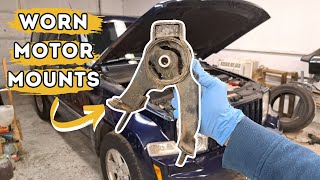
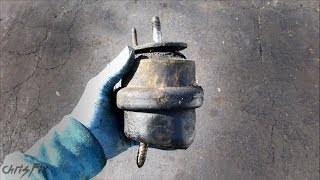
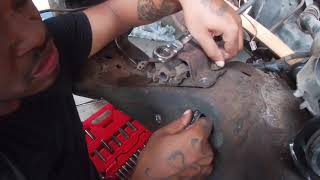
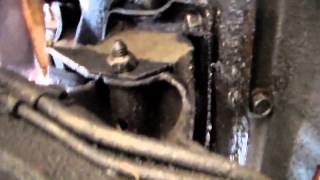
🎬 See this walkthrough for replacing GM V6 and V8 mounts.Helpful Videos
Technical Specifications
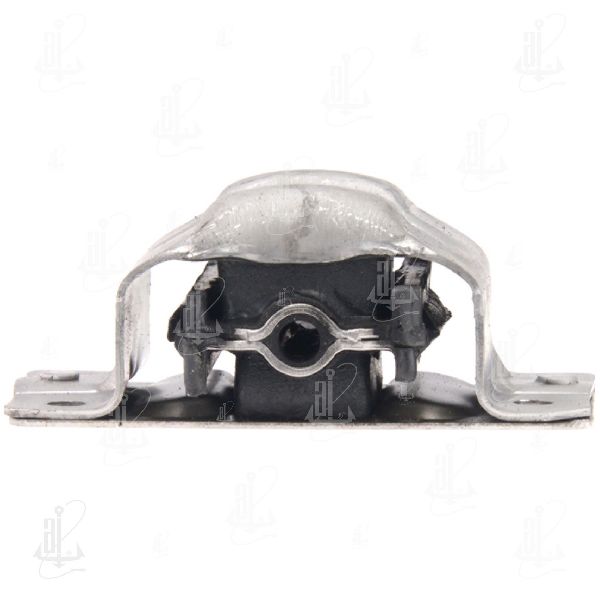
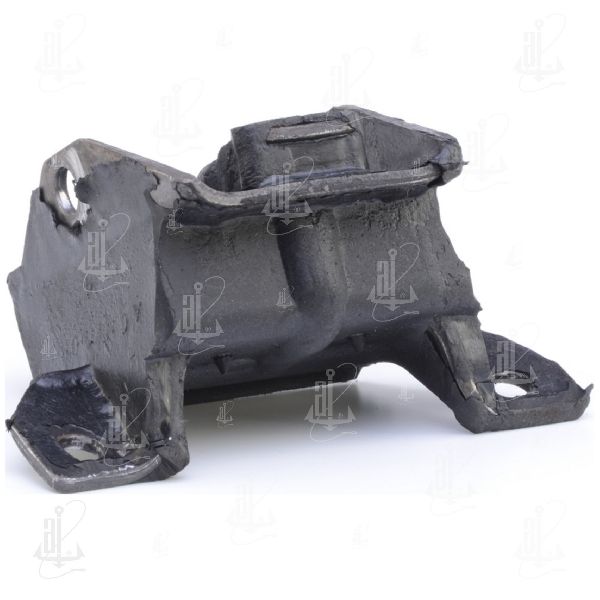
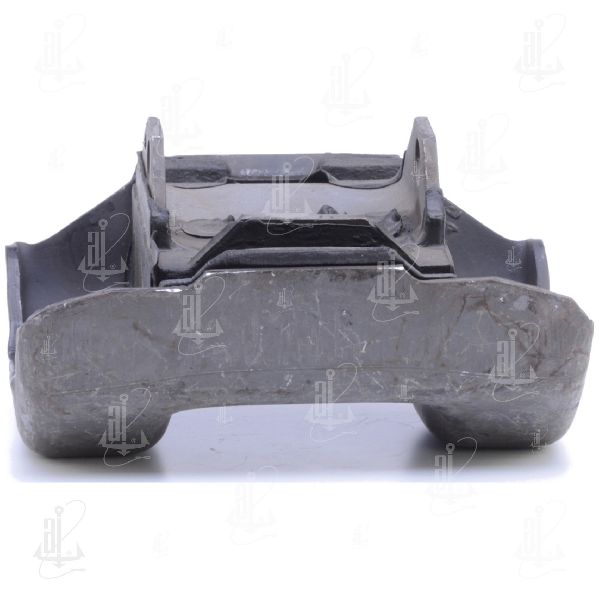
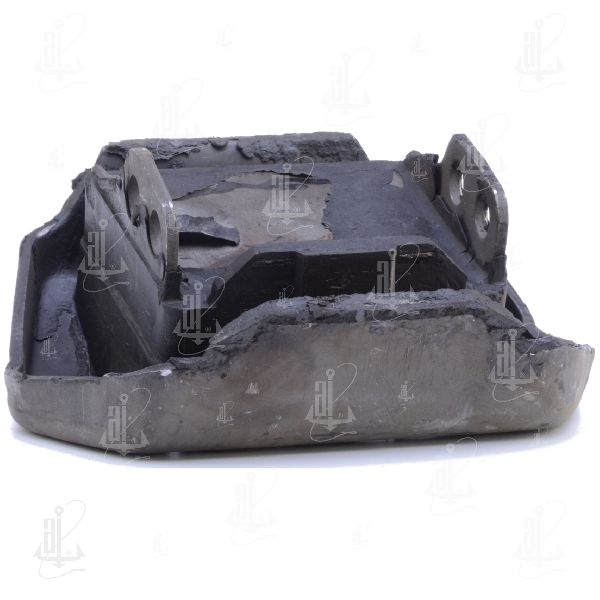
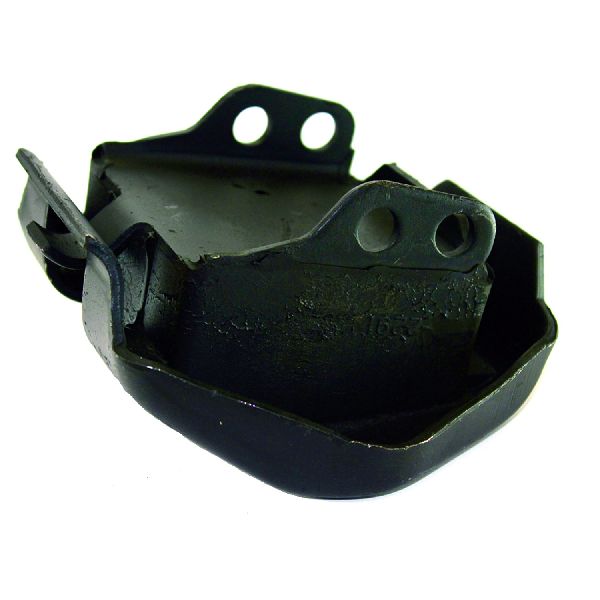
The 1976-1981 Buick LeSabre typically uses a two-bolt or three-bolt clam shell style engine mount. The specific design can vary based on the engine (V6 or V8) and exact year. Most aftermarket options are designed as direct-fit replacements.
We Have This Part in Stock


The information in this article is provided for general reference and educational purposes only. Vehicle specifications, procedures, and part compatibility can vary by production date, trim level, and region. Always consult your vehicle's factory service manual and verify part numbers before purchasing or performing repairs. Safety-critical components such as airbags, seat belts, and braking systems should be installed by a qualified professional.