

1976-1981 Buick LeSabre Radiator Coolant Hose Guide
Prevent overheating in your classic LeSabre by understanding and choosing the right radiator hoses.
- Always use pre-molded hoses from reputable brands like Gates, Continental, or Dayco for a proper fit on your LeSabre.
- Inspect hoses regularly for cracks, bulges, and soft spots; replace them every 5-7 years as preventative maintenance.
- Replace both upper and lower hoses at the same time, and consider replacing the hose clamps as well.
- If your original lower hose has an anti-collapse spring, transfer it to the new hose if one is not included.
Signs of a Failing Radiator Hose
Radiator hoses are wear items and will eventually fail due to age, heat, and pressure. On a classic car like the 1976-1981 LeSabre, regular inspection is key. Look for these common symptoms of a bad hose:
- Coolant Leaks: The most obvious sign is a puddle of sweet-smelling green, yellow, or blue fluid under your car. Leaks often occur at the connection points with the radiator or engine.
- Visible Damage: Check for cracks, splits, or fraying on the hose surface. Hoses that are hard and brittle or soft and spongy need immediate replacement.
- Bulging or Swelling: A swollen or bulging area indicates the internal structure of the hose has failed, and it could burst at any moment. This can be caused by heat, oil contamination, or internal pressure buildup.
- Collapsed Hose: The lower radiator hose may have an internal spring to prevent it from collapsing under suction from the water pump. If a hose looks flattened or kinked, it is restricting coolant flow and must be replaced.
Engine Overheating
If your temperature gauge is climbing into the red, a failing radiator hose could be the cause. A leaking or collapsed hose prevents proper coolant circulation, leading to rapid overheating and potential engine damage.
Choosing the Right Aftermarket Hose
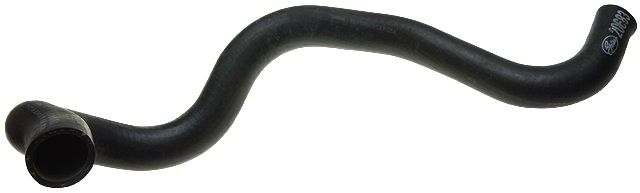
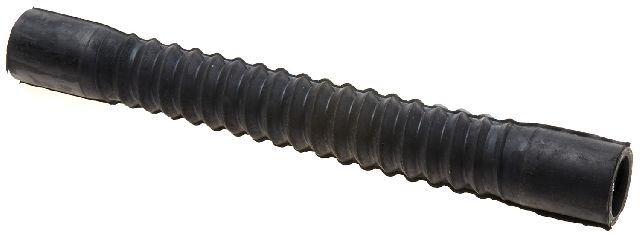
For a vehicle from this era, original equipment manufacturer (OEM) hoses are no longer available. However, several reputable aftermarket brands produce high-quality replacements that meet or exceed original specifications. For a classic like the LeSabre, using a pre-molded hose is highly recommended over a flexible or universal hose to ensure perfect fitment and avoid kinks that restrict flow.
Aftermarket Brand Tiers
- Premium Brands (Gates, Continental): Gates is a well-regarded brand, often considered an OEM supplier for many manufacturers. They are known for good fitment and durability. Continental is another top-tier brand with a strong reputation. For most LeSabre owners, either of these brands offers excellent quality and reliability.
- Standard Brands (Dayco): Dayco is a widely available and perfectly suitable option for classic cars. While some users have occasional fitment complaints on other models, they are generally considered a reliable choice and may be slightly more budget-friendly.
When replacing hoses, it's also a great time to replace the hose clamps. Spring-style clamps provide consistent pressure, but new worm-gear clamps are also effective and easy to install. Always replace hoses in pairs (upper and lower) for peace of mind.
Cost to Replace Radiator Hoses on a 1976-1981 Buick LeSabre
| Part | Average Cost |
|---|---|
| New Aftermarket Radiator Hoses (Set of Upper & Lower) | $24.81 - $62.72 |
| Estimated Shop Labor | $100 - $200 |
| Estimated Total Cost (Professional) | $125 - $263 |
Frequently Asked Questions
How often should I replace my radiator hoses?
For a classic car, it's best to inspect them annually. As a general rule, consider replacing them every 5 to 7 years as preventative maintenance, regardless of appearance. Rubber degrades over time, and it's better to replace them before they fail.
Should I use a molded or flexible hose?
Always use a pre-molded hose for your LeSabre. Molded hoses are designed with the correct bends and curves for your specific engine, ensuring proper coolant flow and preventing kinks or rubbing against other engine components.
Does my lower hose need an internal spring?
Yes, the lower hose on many older vehicles requires an anti-collapse spring to prevent it from being sucked flat by the water pump. Many new aftermarket hoses do not come with this spring. If your old hose has a spring and it's in good condition, you can transfer it to the new hose.
What kind of coolant should I use in my 1976-1981 LeSabre?
For this era of GM vehicle, the traditional green Inorganic Acid Technology (IAT) coolant is appropriate. Always mix it with distilled water to the proper ratio (usually 50/50) unless you buy a pre-mixed formula. Check your owner's manual for specific recommendations.
Technical Specifications
Material: EPDM rubber. Type: Molded. Temperature Range: Approx. -40°F to +257°F.
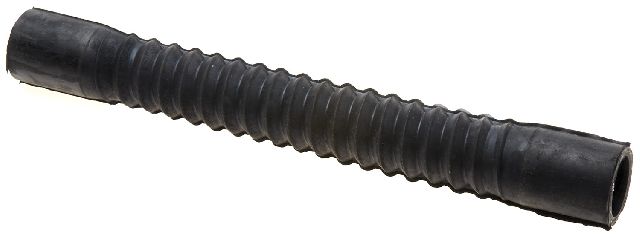
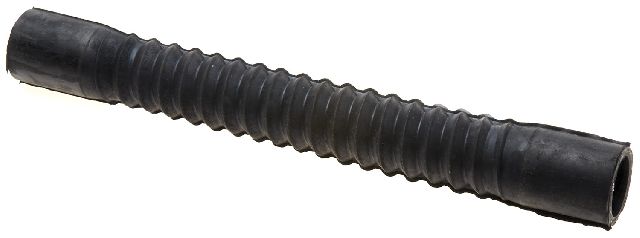
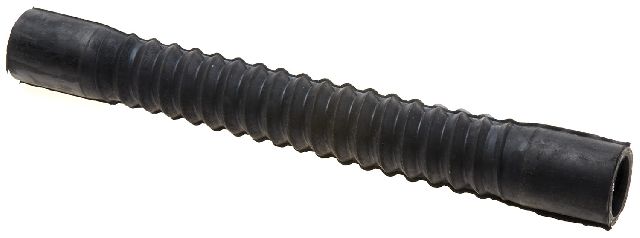
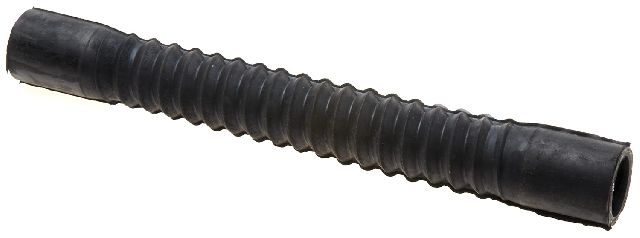
We Have This Part in Stock

The information in this article is provided for general reference and educational purposes only. Vehicle specifications, procedures, and part compatibility can vary by production date, trim level, and region. Always consult your vehicle's factory service manual and verify part numbers before purchasing or performing repairs. Safety-critical components such as airbags, seat belts, and braking systems should be installed by a qualified professional.