

Accessory Drive Belt Guide for the 1976-1981 Volvo 262
Understand the multiple V-belts that keep your classic Volvo 262's engine accessories running properly.
- Your Volvo 262 uses multiple V-belts, not a single serpentine belt; identify which belt needs replacing before you buy.
- Squealing noises are the most common sign of a worn or loose belt and should be addressed promptly.
- Premium aftermarket brands like Gates and Continental are highly recommended for reliability on classic Volvos.
- Replacing all belts at the same time is a good preventative measure to avoid future breakdowns.
Understanding the Accessory Drive Belts on Your Volvo 262
Your 1976-1981 Volvo 262 is a classic, and its engine design reflects that. It doesn't have a single, flat serpentine belt like newer cars. Instead, it uses a system of multiple V-belts to power its accessories. These belts sit in V-shaped grooves on the engine pulleys. It's common for these cars to have separate belts for the alternator, power steering pump, and A/C, meaning you could have two or three belts in total. Because they are made of rubber, these belts wear out over time and need regular inspection and replacement.
Symptoms of a Failing Drive Belt
A failing V-belt gives clear warning signs. Ignoring them can leave you stranded.
- Squealing Noises: A high-pitched squeal, especially when you start the engine or turn the steering wheel, is the most common symptom. This means the belt is slipping on the pulleys because it's worn, glazed, or loose.
- Visible Wear: A visual inspection can reveal a lot. Look for cracks, fraying, glazing (a shiny, smooth surface), or missing chunks of rubber on the belts.
- Accessory Malfunctions: If your power steering becomes heavy, the A/C stops blowing cold, or the battery warning light comes on, it could be due to a broken or slipping belt. The battery light indicates the alternator is no longer charging the battery.
Critical Failure Warning
If a drive belt breaks, the component it powers will fail instantly. A broken alternator belt will leave you running on battery power for only a short time. A broken power steering belt will make the car very difficult to steer. Always replace belts at the first sign of significant wear.
Choosing the Right Aftermarket Belts
For a classic vehicle like the Volvo 262, aftermarket parts are the most common and affordable option. Genuine Volvo belts may be difficult to find or no longer available. Luckily, reputable aftermarket brands offer excellent quality. Your car has multiple belts, so make sure you are buying the correct one for the specific component (e.g., Power Steering, Alternator).
Brand Quality Tiers
- Premium Brands (Gates, Continental): These brands are often original equipment (OE) suppliers for many car manufacturers and are highly regarded by mechanics. They are known for durability and precise fit. Choosing a belt from Gates or Continental is a safe bet for reliability and longevity.
- Standard Brands (Dayco): Dayco is a well-known aftermarket brand that offers good quality belts that meet or exceed factory specifications. They are a reliable choice and often provide excellent value.
Pro Tip: Replace Belts in Sets
Since all the belts on your engine are exposed to the same conditions and have likely been there for the same amount of time, it's wise to replace them all at once. This saves you from having to do the job again in a few months when the next old belt fails.
| Part Type | Estimated Cost (Per Belt) |
|---|---|
| New Aftermarket (Standard) | $2.60 - $15.00 |
| New Aftermarket (Premium) | $15.00 - $39.95 |
| Shop Labor | $75 - $150 |
Frequently Asked Questions (FAQ)
How many accessory belts does my 1976-1981 Volvo 262 have?
Your Volvo 262 likely has two or three separate V-belts. There is typically one for the alternator and fan, one for the power steering pump, and one for the air conditioning compressor if your car is equipped with it. It's important to verify the specific belts your car needs.
What does "notched" or "cogged" V-belt mean?
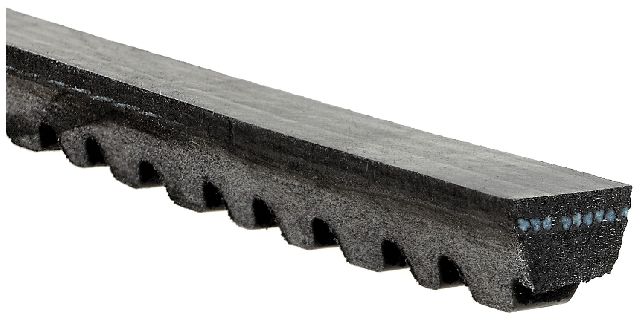
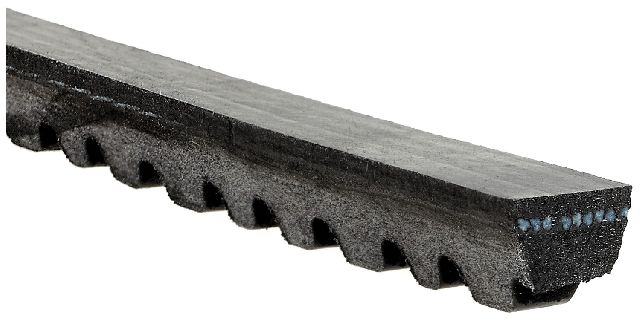
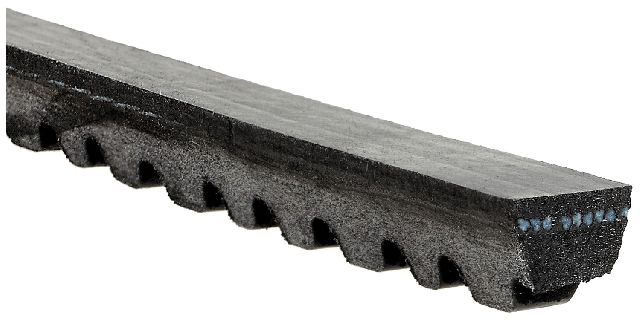
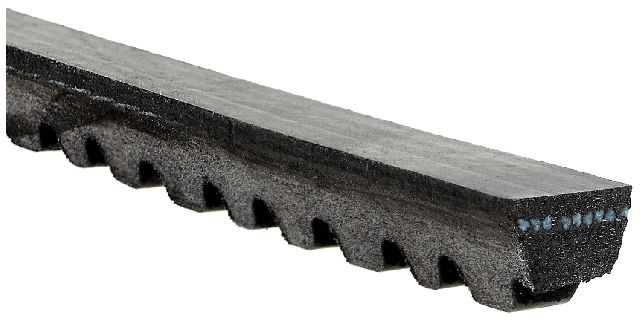
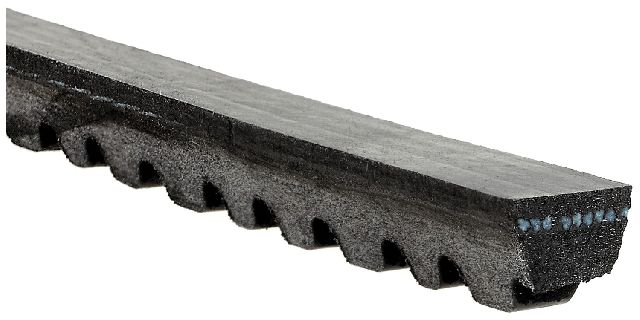
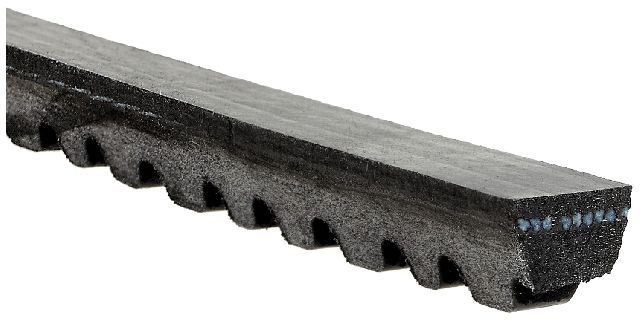
You may see belts described as "notched" or "cogged." These belts have notches on the underside, which allows them to bend more easily around smaller pulleys and helps dissipate heat, increasing flexibility and belt life. They are a common and effective design for V-belt applications.
Can I replace the accessory belts myself?
Yes, for someone with basic mechanical skills, this is a very feasible DIY job. It involves loosening the tension on each belt (usually by adjusting the alternator or the accessory itself), removing the old belt, fitting the new one, and then re-tensioning it properly. No special tools are typically required beyond standard wrenches and sockets.
How important is belt tension?
Belt tension is critical. A belt that is too loose will slip and squeal, causing poor accessory performance and premature wear. A belt that is too tight puts excessive strain on the bearings of the accessories (like the alternator and power steering pump), leading to their premature failure. The general rule of thumb is that you should be able to depress the belt about half an inch at the midpoint of its longest span.
Technical Specifications
This vehicle uses multiple V-belts of varying lengths depending on the accessory (Alternator, Power Steering, A/C). Belts are typically made of EPDM rubber and may be of a notched/cogged construction. It is critical to match the belt to the specific accessory and engine configuration.
We Have This Part in Stock

The information in this article is provided for general reference and educational purposes only. Vehicle specifications, procedures, and part compatibility can vary by production date, trim level, and region. Always consult your vehicle's factory service manual and verify part numbers before purchasing or performing repairs. Safety-critical components such as airbags, seat belts, and braking systems should be installed by a qualified professional.