

Volvo 262 Ignition Coil Guide (1976-1981): Symptoms and Replacement
Keep your classic Volvo 262 running strong by understanding when and how to replace a failing ignition coil.
- A failing ignition coil on a Volvo 262 commonly causes no-start, misfiring, and stalling issues.
- Replacement is a simple DIY task for most owners, taking less than an hour with basic tools.
- For best results, choose a quality aftermarket brand like NGK or Standard Ignition.
- Consider replacing the spark plugs and wires at the same time for a complete ignition system refresh.
Understanding Ignition Coil Failure in Your Volvo 262
The 1976-1981 Volvo 262 uses a single, canister-style ignition coil. This is a simple and generally reliable design. However, like any component, it can fail over time due to age, heat, and vibration in the engine bay. When the coil starts to weaken, it can't produce enough voltage, leading to a weak spark. This can cause a range of engine performance problems that may start small and get worse over time.
Common Symptoms of a Bad Ignition Coil
If your Volvo 262 is experiencing ignition issues, a failing coil could be the culprit. Watch for these common signs:
- Hard Starting or No Start: The most common symptom is difficulty getting the engine to turn over, or it may crank but not start at all. This happens when the coil can't produce a strong enough spark to ignite the fuel mixture, especially when the engine is cold.
- Engine Misfires: You might feel the engine hesitate, shake, or stumble, particularly during acceleration. This is a classic sign of a weak spark failing to ignite the fuel in one or more cylinders.
- Rough Idle: The engine may run unevenly or vibrate excessively when stopped at a light or in park.
- Stalling: The engine may suddenly shut off, sometimes after it has warmed up. This can be intermittent, making it difficult to diagnose.
- Reduced Power and Poor Fuel Economy: A weak spark leads to incomplete fuel combustion, making your engine work harder and use more gas for the same amount of power.
Diagnosing a No-Spark Condition
If your car cranks but won't start, the issue is often a lack of spark or a lack of fuel. A simple way to check for spark is to use a spark tester. If there's no spark coming from the coil, it's a strong indicator that the coil itself has failed, though you should also check the ignition module and wiring.
Choosing a New Aftermarket Ignition Coil
For a classic vehicle like the Volvo 262, the original Bosch coils were high quality. However, many original parts are no longer available. Aftermarket parts offer a good balance of quality and value. Here's a breakdown of the available brands:
Tier 1: Reputable OEM Equivalents
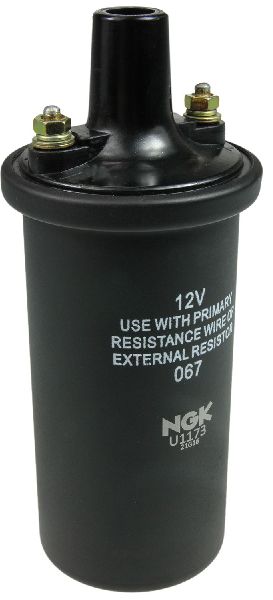
- NGK: A highly respected brand known for quality ignition components. Many enthusiasts and mechanics recommend NGK for its reliability and performance.
- Standard Ignition (SMP): A long-standing, trusted name in aftermarket parts. They often produce parts that meet or exceed original specifications.
Tier 2: Standard Replacement
- Spectra Premium: Generally considered a reliable standard replacement brand.
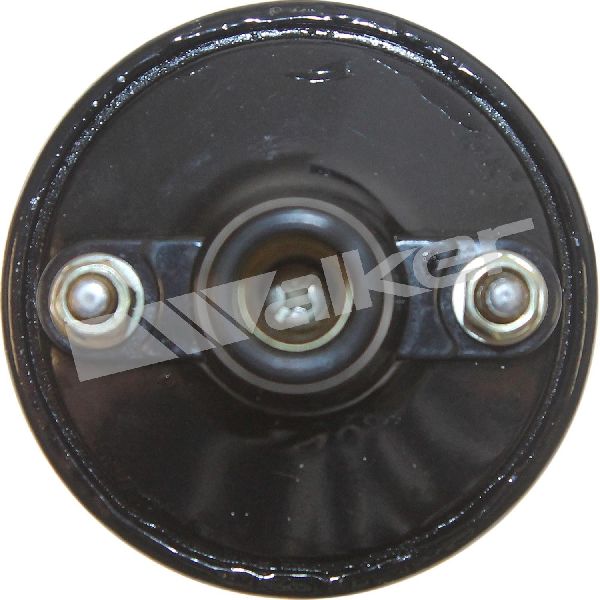
- Walker Products: A known aftermarket brand offering a range of electronic components.
- Holstein: Another standard replacement option available in the market.
Tier 3: Economy Options
- Global Parts: Typically falls into the economy or value-focused category.
A Note on Quality
For a critical component like an ignition coil, it's often worth spending a little more on a reputable brand like NGK or Standard Ignition. While economy brands are less expensive, their long-term reliability can be inconsistent. Since the labor to replace the part is the same regardless of brand, a quality part can save you from doing the job twice.
| Brand Tier | Estimated Part Cost |
|---|---|
| Tier 1 (NGK, Standard Ignition) | $50 - $71 |
| Tier 2 (Spectra, Walker, Holstein) | $40 - $55 |
| Tier 3 (Global Parts) | $30 - $40 |
Frequently Asked Questions
Is there a recall on the ignition coil for the 1976-1981 Volvo 262?
No. Searches of the National Highway Traffic Safety Administration (NHTSA) database show no recalls for the ignition coil on this specific vehicle. Any failure is due to the age and wear of the component.
Can I replace the ignition coil myself?
Yes, for most owners with basic tools, this is a straightforward job. The ignition coil is typically mounted on the fender or firewall and is easily accessible. It involves disconnecting the battery, unplugging the low-voltage connector and high-tension lead, and unbolting the coil from its bracket. The entire process usually takes less than an hour.
Should I replace spark plugs and wires with the coil?
It's a very good idea. The ignition system works as a team. A new, strong coil can put extra stress on old spark plugs and wires, potentially causing them to fail. Replacing the coil, spark plugs, and plug wires at the same time ensures the entire ignition system is in top condition.
What's the difference between an OEM and aftermarket coil for my Volvo?
Original Equipment Manufacturer (OEM) coils, likely made by Bosch, were the factory-installed parts. Aftermarket coils are made by other companies. For an older vehicle like the 262, high-quality aftermarket brands like NGK or Standard Ignition are excellent, reliable alternatives, especially since original Volvo-branded parts may be discontinued or difficult to find.
Technical Specifications
OEM Part Numbers: 1336137
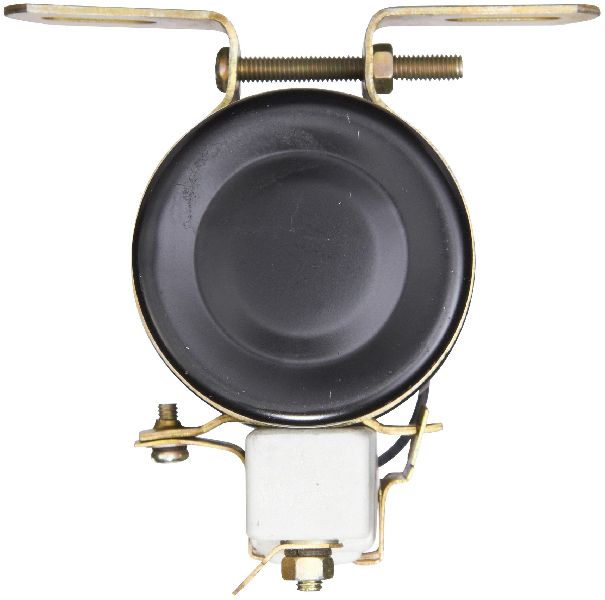
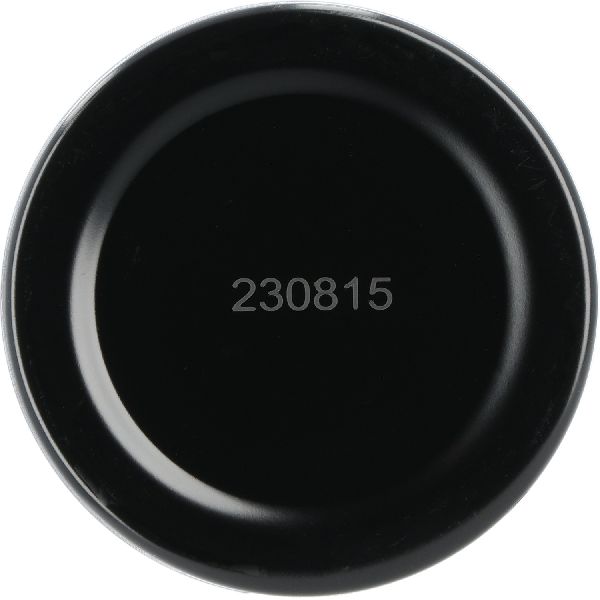
Canister-style, oil-filled, single coil system for distributor ignition.
We Have This Part in Stock


The information in this article is provided for general reference and educational purposes only. Vehicle specifications, procedures, and part compatibility can vary by production date, trim level, and region. Always consult your vehicle's factory service manual and verify part numbers before purchasing or performing repairs. Safety-critical components such as airbags, seat belts, and braking systems should be installed by a qualified professional.