

Choosing the Right Spark Plugs for Your 1976-1981 Volvo 262
Keep your classic Volvo's PRV V6 engine running smoothly with the correct set of plugs.
- Stick with standard copper core spark plugs from brands like NGK, Bosch, or Champion for the best performance in your 262's original ignition system.
- Avoid expensive platinum and iridium plugs, as they offer no benefit and can cause running issues in this classic engine.
- Always check and adjust the spark plug gap to your vehicle's specification (typically .028"-.032") before installation.
- Replace plugs one at a time to avoid mixing up the spark plug wires, which can cause the engine to run poorly or not at all.
Symptoms of Bad Spark Plugs in a Volvo 262
When your spark plugs are nearing the end of their life, your car will usually let you know. The V6 engine in the 262 is generally smooth, so any new roughness is a sign to investigate. Look out for these common symptoms:
- Rough Idle: The engine may shake or vibrate more than usual when you're stopped.
- Engine Misfires: You might feel a hesitation or stumble from the engine, especially when you accelerate.
- Poor Acceleration: The car may feel sluggish or down on power when you press the gas pedal.
- Worse Fuel Economy: If you find yourself filling up the gas tank more often, failing spark plugs could be the cause.
- Difficulty Starting: A weak spark makes it harder for the engine to fire up, especially when cold.
Choosing the Right Aftermarket Spark Plug
For a classic car like the 1976-1981 Volvo 262, newer doesn't always mean better. The ignition system was designed for a specific type of spark plug. Sticking with that original technology is the best way to ensure performance and reliability.
Spark Plug Material: Keep It Simple
| Plug Type | Recommendation for Volvo 262 |
|---|---|
| Copper Core | Highly Recommended. These are the plugs your car was designed for. Copper is an excellent conductor, which works perfectly with the 262's original ignition system. They are inexpensive and provide the best performance, though they need to be changed more often (typically every 15,000-20,000 miles). |
| Platinum / Iridium | Not Recommended. While these plugs last much longer in modern cars, they are not a good match for your classic Volvo. They require a higher voltage to spark properly, which the 262's ignition system may not consistently provide. This can lead to poor performance and driveability issues, wasting the extra money you spent on them. |
Aftermarket Brand Quality Tiers
You have several good options for new aftermarket spark plugs. Since your Volvo needs six plugs, choosing a reliable brand is important.
- Top Tier (OEM Quality): Brands like NGK and Bosch are frequently recommended by classic Volvo owners for their reliability and performance. Bosch was likely the original equipment manufacturer for your car. The NGK BPR6ES is a very common and trusted part number for these engines.
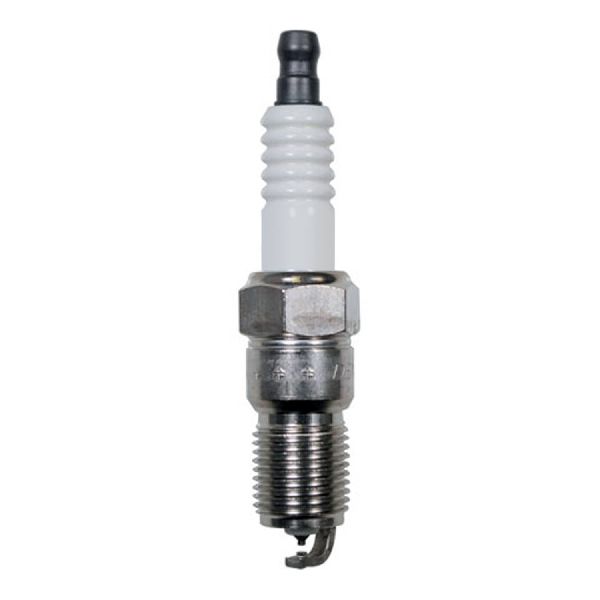
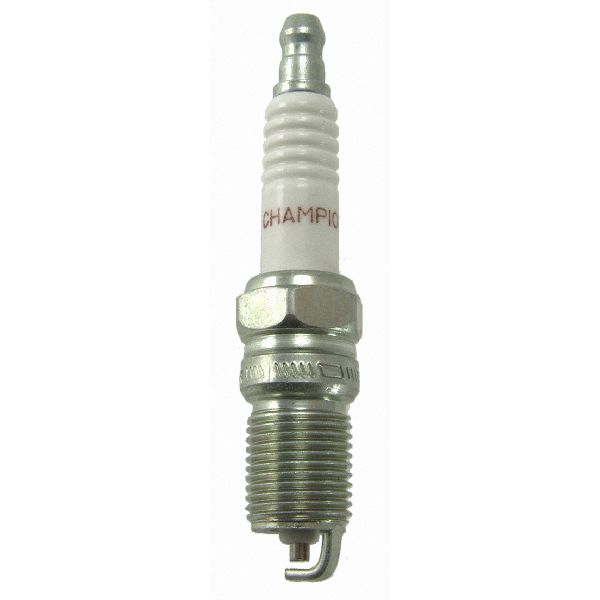
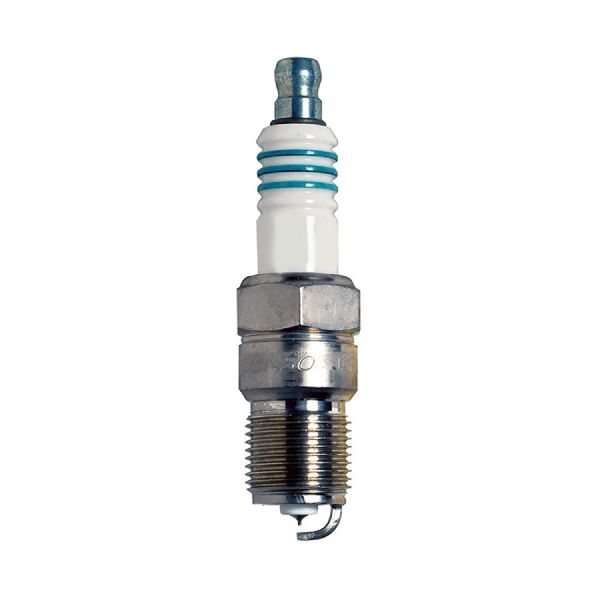
- Mid Tier (Reliable Performers): Denso and Champion are also excellent choices. Denso is a major Japanese brand with a reputation similar to NGK, while Champion's "Copper Plus" line is a classic, dependable plug that works very well in vintage engines.
- Economy Tier (Budget-Friendly): Brands like Autolite offer a solid copper plug that will get the job done at a lower price point. Skyward is another economy option that meets basic requirements.
Pro Tip: Check the Gap
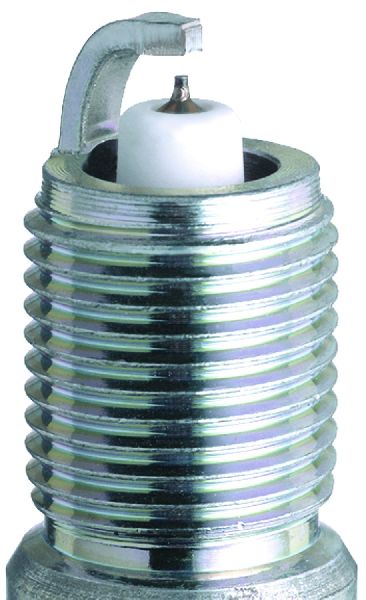
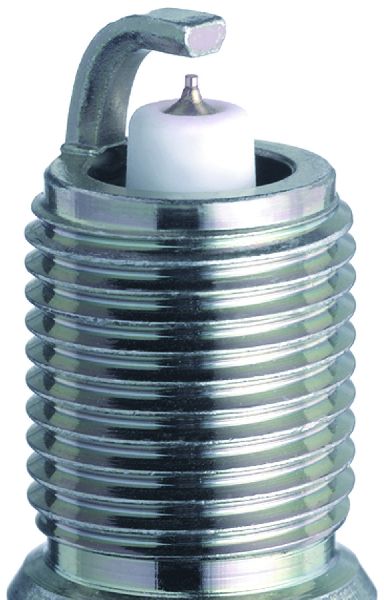
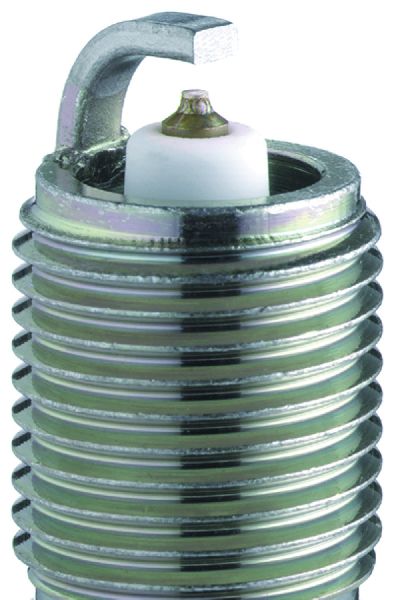
Always check the spark plug gap before installation, even if the box says they are "pre-gapped." The gap is the small space between the two electrodes at the tip of the plug. For the Volvo 262, this is typically set between 0.028 and 0.032 inches. An inexpensive gapping tool is all you need to verify and adjust it. An incorrect gap can cause misfires and poor performance.
Known Issues
No recalls or technical service bulletins (TSBs) exist for spark plugs on the 1976-1981 Volvo 262. The most common problem owners encounter is a spark plug getting stuck in the aluminum cylinder head. This is usually caused by being overtightened during a previous installation or from corrosion over many years. When removing old plugs, do it on a cold engine and apply slow, steady pressure. If you feel strong resistance, stop and use a penetrating oil to help loosen it.
Frequently Asked Questions (FAQ)
How often should I change the spark plugs on my Volvo 262?
If you use standard copper core plugs as recommended, a good interval is every 15,000 to 20,000 miles or every two years. This ensures your engine always has a strong, consistent spark for optimal performance.
Do I need special tools to change my spark plugs?
The job requires basic hand tools: a ratchet, a few extensions, and a specific spark plug socket (usually 13/16" or 21mm for this car) that has a rubber insert to protect the plug. You will also need a spark plug gapping tool. Do not use air tools.
Should I use anti-seize on the new spark plug threads?
This is debated. Many modern plugs have a special plating that prevents seizing, and manufacturers like NGK advise against it. If you choose to use it, apply a very thin layer to the middle of the threads only. Do not get any on the electrode or the first thread, as it can cause issues. Starting the plug by hand for the first few turns is the best way to prevent cross-threading.
What is dielectric grease used for?
A small amount of dielectric grease should be applied to the inside of the spark plug wire boot before re-installing it. This grease does not conduct electricity; it seals out moisture, prevents corrosion on the terminal, and makes it easier to remove the wire next time.
Technical Specifications
OEM Part Numbers: 270746 1367528 75091
Engine: B27F, B28F (V6) Quantity Required: 6 Recommended Material: Copper Core Common Part Numbers: NGK BPR6ES, Bosch WR9DC Thread Size: M14 x 1.25 Socket Size: 13/16" (21mm) Recommended Gap: 0.028" - 0.032" (0.7mm - 0.8mm)
We Have This Part in Stock

The information in this article is provided for general reference and educational purposes only. Vehicle specifications, procedures, and part compatibility can vary by production date, trim level, and region. Always consult your vehicle's factory service manual and verify part numbers before purchasing or performing repairs. Safety-critical components such as airbags, seat belts, and braking systems should be installed by a qualified professional.