

Volvo 265 Universal Joint Replacement Guide (1976-1981)
Addressing driveshaft vibrations and clunks in your classic Volvo 265 wagon starts here.
- A bad U-joint typically causes clunking noises or vibrations at specific speeds.
- For maximum reliability, choose premium brands like Dana Spicer or SKF; sealed (non-greasable) joints are best for most users.
- It is highly recommended to replace all three U-joints and the center support bearing at the same time.
- Before removing the driveshaft, mark its alignment to ensure it is reinstalled the same way to prevent balance issues.
Symptoms of a Failing Universal Joint
A worn U-joint on your Volvo 265 will make its presence known through distinct sounds and feelings while driving. Because these cars are over 40 years old, a U-joint is a common wear item. Ignoring the symptoms can lead to a complete failure where the driveshaft can detach, causing a loss of control or significant damage to the underside of your car.
- Clunking or Pinging Noises: The most common sign is a sharp "clunk" or "ping" when you shift from park into drive or reverse. You might also hear it when you first accelerate from a stop.
- Driveshaft Vibrations: A vibration that you can feel through the floor or seats is a classic symptom. This vibration often appears only at specific speed ranges, such as between 45 and 60 mph, and may go away as you drive faster or slower.
- Squeaking or Rattling: A rhythmic squeak or rattle that increases with vehicle speed can point to a dry, failing U-joint. This is often caused by a lack of grease in the needle bearings inside the U-joint cap.
Pro Tip: Check for Play
With the car safely on jack stands and the transmission in neutral, you can check for a bad U-joint by hand. Grab the driveshaft on either side of the joint and try to twist it back and forth. There should be almost no play; more than 1/8th of an inch of movement suggests the joint is worn and needs replacement. Also try to push up and down on the shaft; any looseness is a bad sign.
Choosing the Right Aftermarket U-Joint
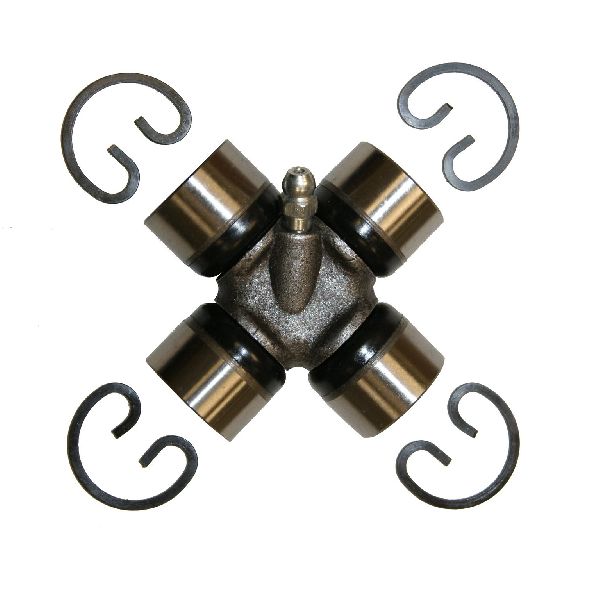
For a vintage car like the 1976-1981 Volvo 265, original equipment (OEM) U-joints are generally no longer available. Fortunately, modern aftermarket parts from reputable brands often meet or exceed the quality of the original 1970s components. The brands available can be grouped into quality tiers.
Tier 1: Premium Quality
These brands are widely recommended by mechanics and enthusiasts for their durability and precise manufacturing. They are the best choice for owners who want the longest-lasting, most reliable repair.
- Dana Spicer: This is the most frequently recommended brand across numerous forums. Spicer is an OEM supplier for many vehicle manufacturers and is considered the gold standard for U-joints. They offer both greasable and non-greasable (sealed) versions. For a daily driver, the sealed versions are often preferred as they are less likely to lose grease and require no maintenance.
- SKF: A well-respected manufacturer of bearings and automotive components, SKF is considered a high-quality alternative if Spicer joints are not available.
Tier 2: Good Quality / Standard Replacement
These brands offer a good balance of quality and price, making them solid choices for most repairs.
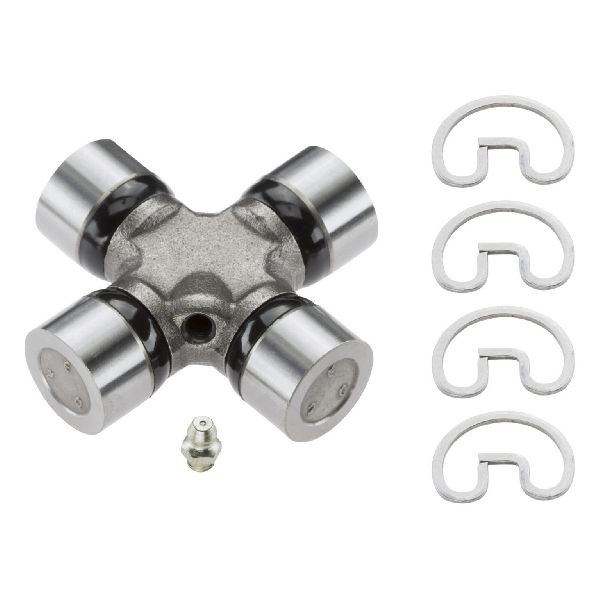
- Moog: Traditionally a top-tier aftermarket brand, Moog is still a reliable choice. However, some users have noted a decline in quality consistency in recent years, so it's wise to inspect the part upon arrival. Some have also reported minor fitment issues.
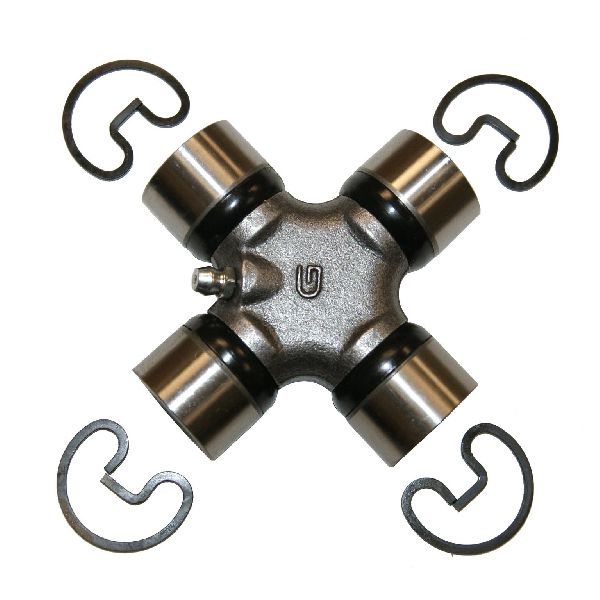
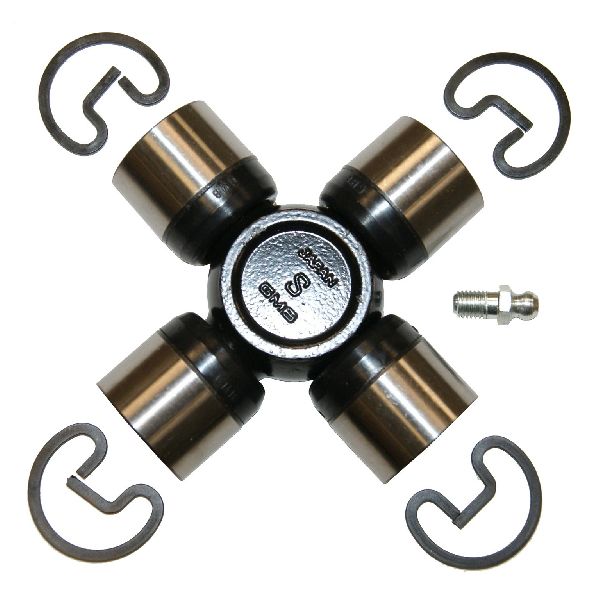
- GMB: As a Japanese manufacturer, GMB produces parts that are designed to meet or exceed OEM specifications. They are a good value, offering reliable performance for a reasonable price. Older forum posts from the early 2000s mentioned some quality concerns, but the brand remains a popular choice.
Tier 3: Economy
These brands are the most budget-friendly but may have compromises in materials or longevity.
- URO Parts: URO specializes in parts for European vehicles, including many hard-to-find components for classic cars. However, their quality receives mixed reviews. While some users find them acceptable for non-critical components, many advise against using them for important drivetrain or suspension parts due to concerns about longevity.
Aftermarket U-Joint Cost (Part Only)
| Brand Tier | Price Range (Single U-Joint) | Notes |
|---|---|---|
| Premium (Spicer, SKF) | $50 - $110 | Best for durability and peace of mind. |
| Standard (Moog, GMB) | $25 - $60 | Good balance of quality and cost for most owners. |
| Economy (URO Parts) | $15 - $30 | Budget option, but may have a shorter service life. |
Frequently Asked Questions (FAQ)
Should I get greasable or sealed (non-greasable) U-joints?
For most Volvo 265 owners, a high-quality sealed U-joint (like those from Spicer) is the preferred choice. They are lubricated for life and are less likely to have issues from improper greasing or fling grease onto the underbody. Greasable joints are good if you frequently drive in wet conditions, as you can push out any water contamination with new grease, but they require regular maintenance.
Should I replace the center support bearing at the same time?
Yes, it is highly recommended. The driveshaft must be removed to replace the U-joints, and the center support bearing is a common failure point on these cars. The rubber support can collapse or the bearing itself can fail, causing similar vibration issues. Replacing it at the same time as the U-joints saves you from doing the same job twice.
How many U-joints does a 1976-1981 Volvo 265 have?
The Volvo 265 has a two-piece driveshaft that uses a total of three universal joints. It's best practice to replace all three at the same time for a complete and lasting repair.
Is replacing a U-joint a difficult job?
It is a moderately difficult job for a DIY mechanic. Removing the driveshaft is straightforward, but pressing the old U-joints out of the yokes can be very difficult if they are rusted in place. You will need a bench vise and a large socket, or a dedicated U-joint press tool. If you are not confident, a professional mechanic can do the job efficiently.
Technical Specifications
The 1976-1981 Volvo 265 is equipped with a two-piece rear driveshaft that contains three universal joints and one center support bearing.
We Have This Part in Stock
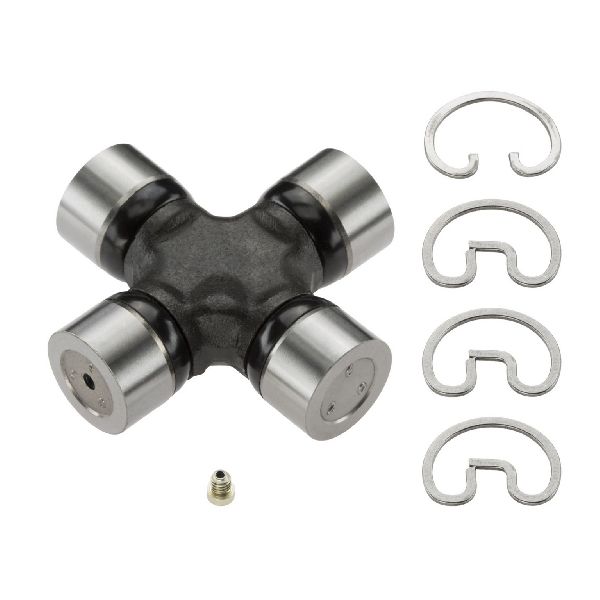
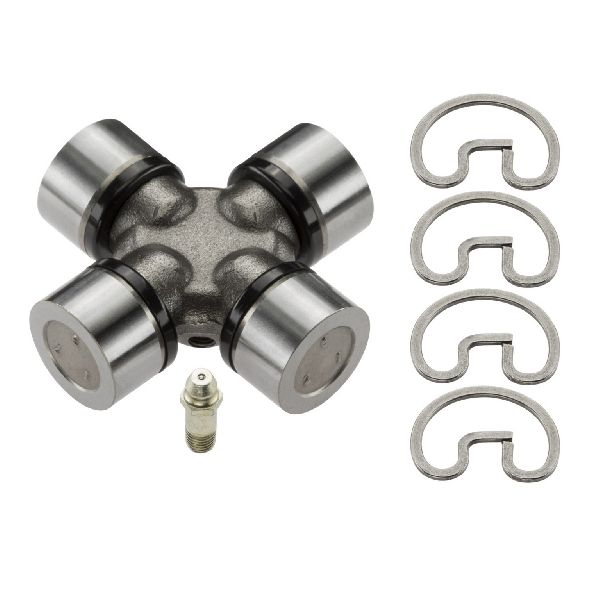

The information in this article is provided for general reference and educational purposes only. Vehicle specifications, procedures, and part compatibility can vary by production date, trim level, and region. Always consult your vehicle's factory service manual and verify part numbers before purchasing or performing repairs. Safety-critical components such as airbags, seat belts, and braking systems should be installed by a qualified professional.