

Power Steering Pump Guide for the 1976-1982 Cadillac Eldorado
If your Eldorado's steering is getting noisy or stiff, your power steering pump may be the problem.
- "New" pumps for this car are actually remanufactured; quality from brands like Cardone and BBB is inconsistent, with many owners preferring a used OEM part.
- A special pulley puller/installer tool is required for replacement, which is a feasible DIY job for experienced mechanics.
- If your Eldorado has Hydro-Boost brakes, you need a specific pump with two return line ports.
- Always flush the entire power steering system and bleed out any air when installing a new pump to prevent premature failure.
Is Your Eldorado's Power Steering Pump Failing?
A failing power steering pump on a 1976-1982 Cadillac Eldorado will give you clear warning signs. The steering was designed to be smooth and easy, so any change is noticeable. Pay attention to these symptoms to catch a problem before it gets worse.
Common Failure Symptoms
- Whining or Groaning Noises: This is the most common sign. You'll hear a distinct whining sound when you turn the steering wheel, which gets louder as the pump works harder. This is often caused by low fluid or air in the system.
- Stiff Steering: If it suddenly takes a lot more effort to turn the wheel, the pump is likely not producing enough pressure. This can be intermittent at first but will get progressively worse.
- Fluid Leaks: You may see puddles of reddish or brownish fluid under the front of your car. A common leak point on these Eldorados is the high-pressure power steering hose, but the pump itself can also leak from its seals.
- Jerky or Slow Steering Response: If the steering feels like it's catching or responding slowly, it can be a sign of inconsistent pressure from a failing pump.
A Note on "New" vs. Remanufactured Parts
For a classic vehicle like the 1976-1982 Eldorado, truly "new" aftermarket power steering pumps are extremely rare or non-existent. The parts available from brands like Cardone and BBB Industries are "remanufactured." This means an original OEM pump (the core) has been taken, disassembled, cleaned, and rebuilt with new seals, bearings, and other wear components. The quality of remanufactured parts can vary significantly.
Choosing the Right Aftermarket Pump
For this generation of Eldorado, your main choices are remanufactured pumps from a few key brands. Owner and mechanic feedback on these brands is mixed, and it's important to be aware of the realities of the market for these older parts.
Brand Quality: Cardone vs. BBB Industries
When shopping for a remanufactured pump, you will frequently encounter Cardone and BBB Industries. It's important to set realistic expectations.
- Cardone: This is one of the largest remanufacturers. However, online forums and customer reviews show a consistent pattern of complaints about their power steering pumps. Many users report receiving parts that are defective out of the box or fail within a very short time. While they often come with a lifetime warranty, the need for multiple replacements can be frustrating.
- BBB Industries: This is another major supplier. Reviews are also mixed. Some users report good experiences, while others have received poorly rebuilt parts with issues like rust or internal debris. Some in the industry suggest that the two companies may have shared ownership or manufacturing, leading to similar quality control issues.
Pro Tip: Many classic Cadillac owners prefer to find a good, used OEM pump from a salvage yard or have their original pump professionally rebuilt by a specialized shop. While this may cost more upfront, it can often provide a more reliable, longer-lasting repair than a mass-market remanufactured unit.
Power Steering Pump Replacement Cost
The total cost depends on whether you do the work yourself or take it to a shop. The parts themselves are relatively inexpensive.
| Item | Estimated Cost |
|---|---|
| New Aftermarket (Remanufactured) Pump | $80 - $220 |
| Used OEM Pump | $50 - $150 |
| Shop Labor | $150 - $300 |
| Total Professional Installation | $230 - $520 (Estimate) |
Frequently Asked Questions (FAQ)
Can I replace the power steering pump myself?
Yes, this is a manageable DIY job for someone with mechanical experience. You will need a specific power steering pump pulley puller/installer tool, which can often be rented from auto parts stores. The job involves removing the drive belt, unbolting the pump, swapping the pulley to the new pump, and reinstalling. Always flush the old fluid from the system and bleed the air out after installation.
Do I need to replace the reservoir?
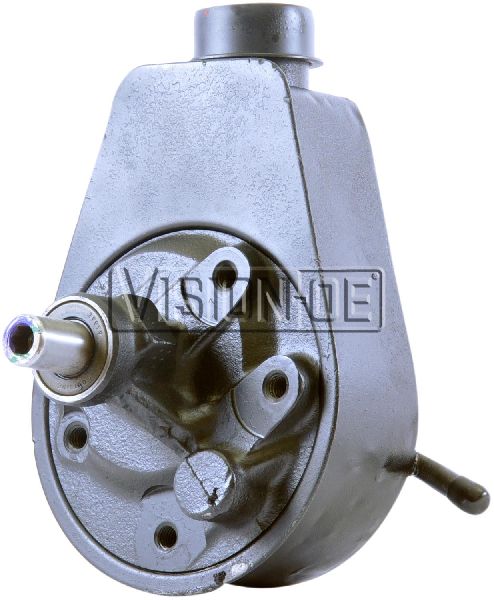
Most remanufactured pumps for this Eldorado do not come with a new reservoir. You will need to carefully remove the reservoir from your old pump and install it on the new one. Be sure to clean it thoroughly before installation to prevent contaminants from damaging the new pump.
What kind of power steering fluid should I use?
For this era of GM vehicle, standard power steering fluid is typically sufficient. Some older systems also used Automatic Transmission Fluid (ATF), but it's best to use a fluid specifically labeled for power steering to ensure it has the correct additives to protect the seals. Always check for the latest recommendations.
My Eldorado has Hydro-Boost brakes. Is the pump different?
Yes. The power steering pump on a Hydro-Boost equipped vehicle is different because it has two low-pressure return line connections instead of one. One return line is from the steering gear, and the other is from the brake booster. Make sure you order the correct pump for your specific system.
Technical Specifications
OEM Part Numbers: Note: Multiple OEM part numbers were used over the model years and for different engine options. Always verify fitment with your VIN. Aftermarket cross-reference numbers include Cardone 20-840 and Lares 2020.
V-Belt Driven; Pulley and Reservoir are typically not included and must be transferred from the old unit. Models with Hydro-Boost require a pump with two return ports.
We Have This Part in Stock
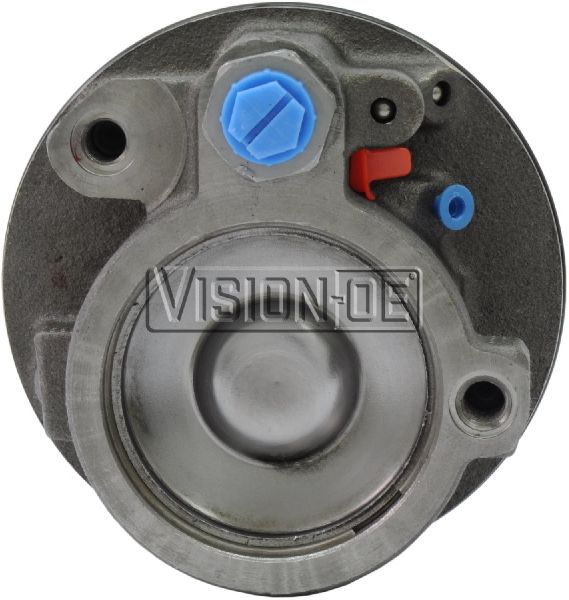
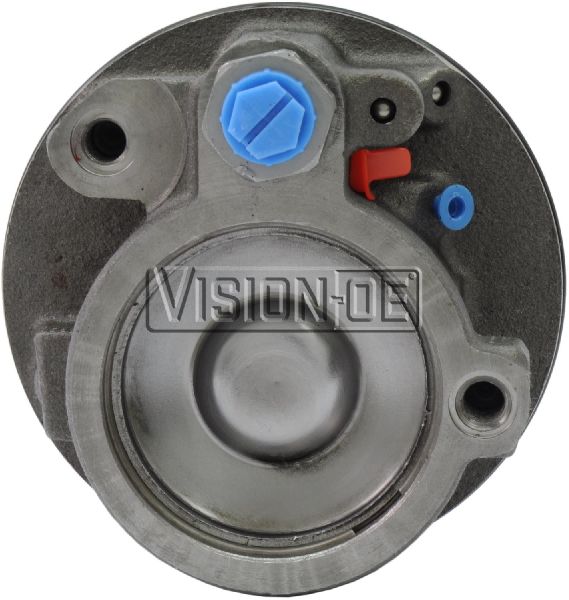
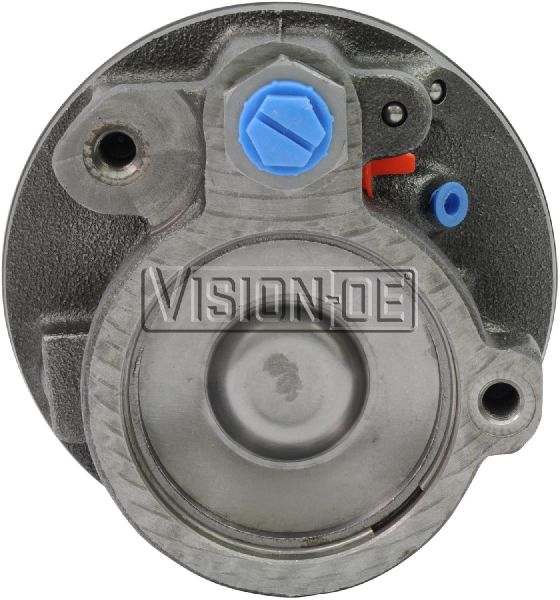
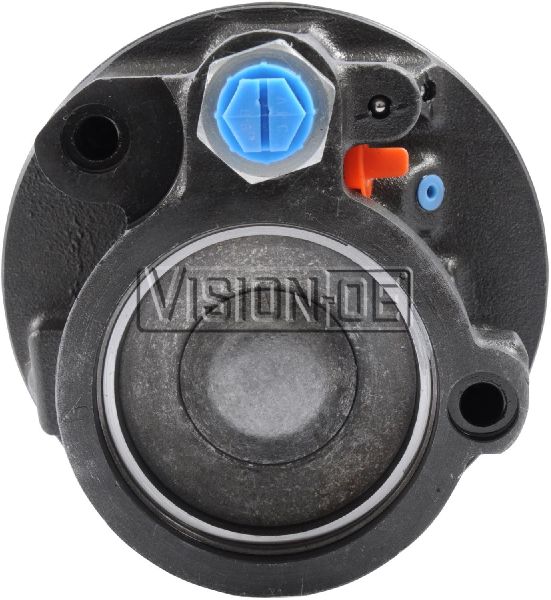

The information in this article is provided for general reference and educational purposes only. Vehicle specifications, procedures, and part compatibility can vary by production date, trim level, and region. Always consult your vehicle's factory service manual and verify part numbers before purchasing or performing repairs. Safety-critical components such as airbags, seat belts, and braking systems should be installed by a qualified professional.