

A Guide to New Aftermarket Carburetors for the 1976-1982 Checker Marathon
Solve common engine running issues by choosing the right new carburetor for your classic Checker.
- You must match your new carburetor to your Marathon's specific engine (inline-6, V6, or V8).
- New aftermarket brands like Edelbrock offer a performance upgrade but may require a new intake manifold.
- Brands like Uremco offer remanufactured stock-style carburetors that are direct replacements but may require a refundable core charge.
- There are no known recalls or TSBs from NHTSA for the carburetor on these vehicles.
Is Your Checker's Carburetor Failing?
Carburetors wear out over time. Gaskets dry up, internal passages get clogged, and moving parts like the throttle shaft can develop play. If you're experiencing engine trouble with your Marathon, a failing carburetor could be the culprit. Watch for these common symptoms:
- Hard Starting: The engine cranks for a long time before starting, especially when cold or after sitting for a while.
- Rough Idle and Stalling: The engine idles unevenly, shakes, or stalls completely when you come to a stop.
- Hesitation or Stumbling: When you press the gas pedal, the car hesitates or stumbles before accelerating.
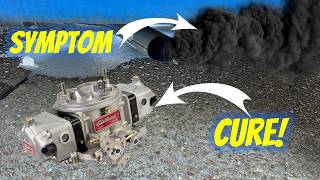
- Black Exhaust Smoke: Black smoke from the tailpipe indicates the engine is running "rich," meaning the carburetor is sending too much fuel.
- Poor Fuel Economy: A noticeable drop in your miles-per-gallon is a classic sign of a carburetor that needs replacement.
- Fuel Leaks or Odors: You should never see gasoline dripping from the carburetor or smell strong fuel odors around the engine. This is a serious fire hazard.
Choosing the Right Aftermarket Carburetor
Finding a brand-new original equipment (OEM) carburetor for a vehicle from this era is nearly impossible. The market consists of new aftermarket performance carburetors and remanufactured OEM-style units. Your choice depends on your goal: are you looking for a performance upgrade or a straightforward, stock-style replacement?
Brand Tier: Performance Upgrade
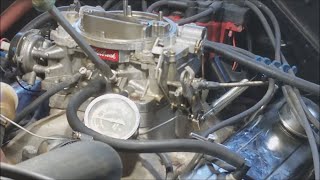
Edelbrock: This is a popular brand for owners looking to improve performance and reliability. Edelbrock carburetors are brand-new, not rebuilt. They are known for their modern, all-aluminum construction that resists warping and is compatible with today's blended fuels. Many owners find they "hold a tune" well, meaning they require less frequent adjustment.
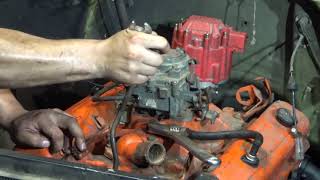
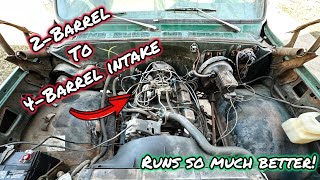
🎬 Learn how to adjust the idle on an EdelbrockPro Tip: Most Edelbrock carburetors, like their Performer Series, are 4-barrel models. If your Marathon's V8 originally came with a 2-barrel Rochester, upgrading to an Edelbrock 4-barrel will also require a compatible 4-barrel intake manifold. This adds to the cost and complexity 🎬 See how to swap a 2-barrel for a 4-barrel but can significantly improve performance.
Brand Tier: Stock-Style Replacement
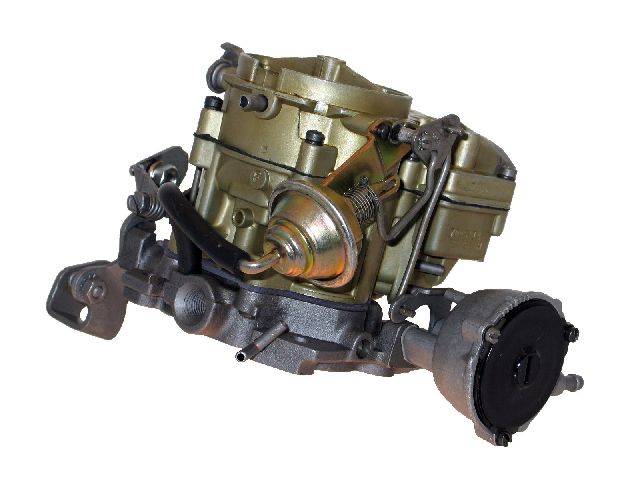
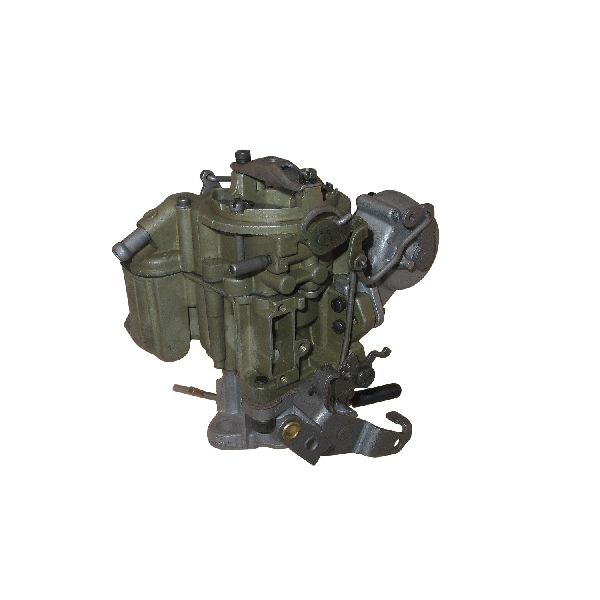
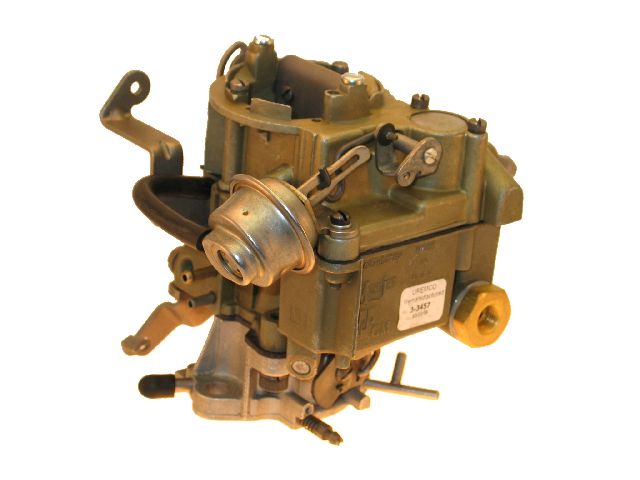
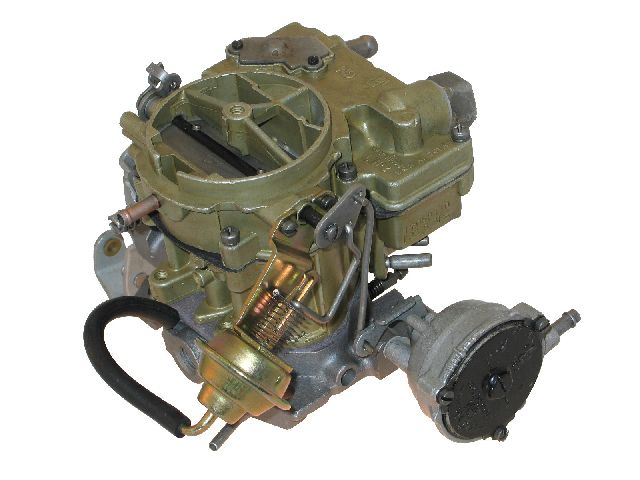
Uremco: Uremco primarily offers remanufactured carburetors. This means they take original carburetors (cores), rebuild them with new internal components, and test them to meet factory specifications. A Uremco carburetor will look and function just like the original Rochester that came on your Checker, making it a direct, bolt-on replacement with no other modifications needed.
Important Note: Because these are rebuilt parts, quality can sometimes be inconsistent. While many units work perfectly, some classic car owners have reported issues with leaks or incorrect adjustments out of the box. When ordering a remanufactured carburetor, you will often be required to pay a "core charge," which is refunded when you send your old, rebuildable carburetor back.
Cost of a New Aftermarket Carburetor for a 1976-1982 Checker Marathon
| Part Type | Estimated Cost |
|---|---|
| New Aftermarket (e.g., Edelbrock) | $350 - $536 |
| Remanufactured (e.g., Uremco) | $288 - $450 + Core Charge |
| Shop Labor for Installation | $150 - $300 |
Pricing is estimated and may vary based on the specific model, brand, and your vehicle's engine.
Frequently Asked Questions
Do I need to know my engine size to buy the right carburetor?
Yes, this is critical. During this period, Checker used Chevrolet engines including the 250 ci inline-6, 229 ci V6, and V8s like the 267, 305, and 350. The six-cylinder engines used a 1-barrel carburetor, while the V8s used a 2-barrel or 4-barrel. You must match the carburetor to your specific engine for it to work correctly.
What is the difference between a 2-barrel and a 4-barrel carburetor?
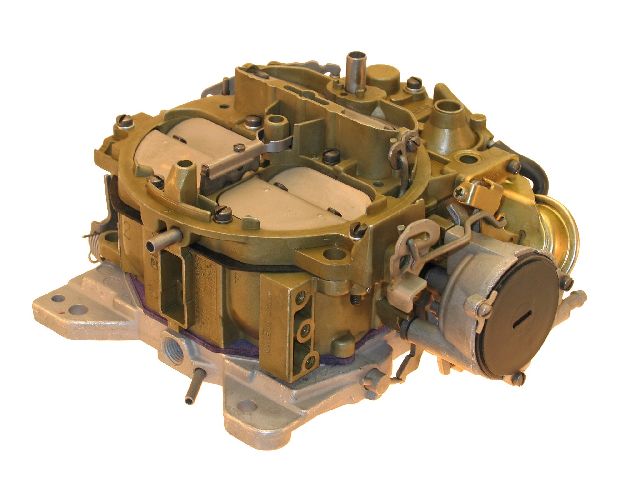
A barrel (or venturi) is the throat of the carburetor where air and fuel are mixed. A 2-barrel carburetor has two barrels and is designed for standard driving and economy. A 4-barrel carburetor has two primary barrels for normal driving and two larger secondary barrels that open up under heavy acceleration to provide more power. Most stock Checker V8s used a 2-barrel carburetor.
Is a new Edelbrock better than a remanufactured Uremco?
It depends on your needs. A new Edelbrock offers modern engineering and is a great choice for a performance upgrade, but it may require other parts to fit. A remanufactured Uremco is designed to be an exact replacement for the original part, making installation simpler. For a stock restoration, the remanufactured unit is the more authentic choice.
Are there any recalls for the Checker Marathon carburetor?
No. Searches of the National Highway Traffic Safety Administration (NHTSA) database and other records show no recalls or technical service bulletins (TSBs) for the carburetor on the 1976-1982 Checker Marathon.
Helpful Videos
Technical Specifications
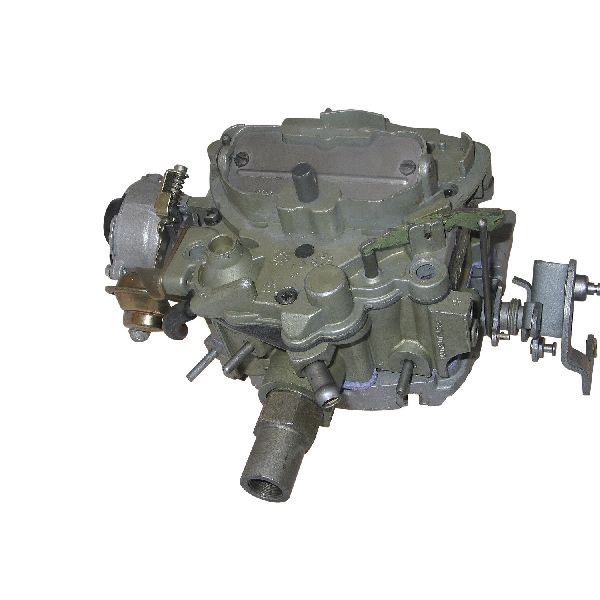
Original carburetors were typically Rochester models. Inline-6 engines used a 1-barrel (like the Monojet), while V8 engines used a 2-barrel (like the 2GC) or, less commonly, a 4-barrel (Quadrajet).
We Have This Part in Stock

The information in this article is provided for general reference and educational purposes only. Vehicle specifications, procedures, and part compatibility can vary by production date, trim level, and region. Always consult your vehicle's factory service manual and verify part numbers before purchasing or performing repairs. Safety-critical components such as airbags, seat belts, and braking systems should be installed by a qualified professional.