

A Guide to Replacing the Ignition Coil on a 1976-1982 Jaguar XJS
Understanding the unique ignition system in your classic XJS is the first step to solving common running problems.
- Early models (pre-1982) may have the unreliable Lucas Opus ignition system; the amplifier is a common failure point and can mimic a bad coil.
- A failing coil causes serious running issues like no-starts, stalling, and misfires.
- If your car has a factory dual-coil setup, converting to a single modern aftermarket coil is a common and reliable upgrade.
- Quality aftermarket brands like NGK are often considered an improvement over the original Lucas components.
Understanding Your XJS Ignition System
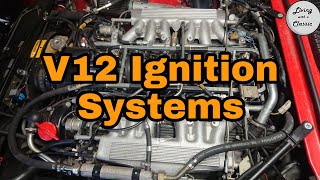
The 1976-1982 Jaguar XJS V12 used two different ignition systems, and it's important to know which one your car has. Cars built before the introduction of the High-Efficiency (H.E.) engine in 1981-1982 used the Lucas Opus Mark 2 ignition system. Later H.E. models used the Lucas Constant Energy Ignition (CEI) system. 🎬 Watch: A detailed overview of Jaguar V12 ignition systems The coil is a key part of both.
A Known Issue: The Lucas Opus Amplifier
The early Lucas Opus system is known for being unreliable. The ignition amplifier, which is mounted on the engine, is very sensitive to heat. When it gets too hot, it can fail, causing the engine to stall or not start. This failure can often be mistaken for a bad ignition coil. A Jaguar Technical Service Bulletin (TSB S 439) even recommended repositioning the amplifier to a cooler location to prevent this. If you have an early, non-H.E. XJS, be aware that your running issues might be the amplifier, not the coil.
Symptoms of a Failing Ignition Coil
A bad ignition coil will cause noticeable engine problems. Because the coil provides spark for all 12 cylinders, a failure has a big impact. Look for these common signs:
- No-Start or Hard Starting: The engine cranks but won't fire up, or takes a long time to start.
- Engine Misfires: You may feel the engine stumbling or hesitating during acceleration.
- Stalling: The engine may cut out unexpectedly, especially once it has warmed up. 🎬 See how to diagnose an XJS that stalls when hot
- Rough Idle: The engine runs unevenly when stopped.
- Reduced Power and Fuel Economy: Your car may feel sluggish and you'll notice you're filling up the tank more often.
- Visible Damage: In some cases, a failed coil can physically burn out or melt.
Choosing the Right Aftermarket Ignition Coil
For a classic vehicle like the XJS, aftermarket parts are often the only choice, and in the case of Lucas electronics, they can be a significant upgrade in reliability. You don't need to find an original OEM part. Here’s how to choose from the available brands.
Pro Tip: Single vs. Dual Coil Systems
Some H.E. V12 models came with a dual-coil setup from the factory to improve high-RPM performance. This system can be confusing and expensive to maintain. Many owners choose to convert to a single, more powerful modern coil. This is a common and recommended upgrade that simplifies the ignition system. Part number DAC6093 is a popular single-coil conversion part.
Brand Quality Tiers
When shopping for a new coil, consider these brand reputations:
- Top Tier (High Reliability): Brands like NGK and Standard Ignition are well-respected in the industry. NGK, in particular, is frequently recommended by Jaguar specialists and owners for all ignition components. These brands are an excellent choice for long-term reliability.
- Mid-Grade (Good Value): Brands such as Spectra and Walker Products generally offer good quality parts that meet or exceed original specifications. They are a solid choice for a balance of price and performance.
- Standard/Economy (Budget-Friendly): Brands like Global Parts and Holstein can be good budget-friendly options. While they may not have the long-standing reputation of the top-tier brands, they provide a functional replacement to get your car back on the road.
| Part Type | Estimated Cost |
|---|---|
| New Aftermarket Coil | $29.97 - $145.02 |
| Shop Labor | $60 - $120 |
| New OEM Coil | Generally Unavailable |
Frequently Asked Questions
Is replacing the ignition coil a DIY job?
Yes, for most owners with basic tools. The coil is usually mounted in an accessible location on the engine. The job involves disconnecting the battery, unplugging the electrical connector, removing the high-tension lead to the distributor, and unbolting the coil from its bracket. The process is straightforward and typically takes less than an hour.
Can I upgrade my car's dual-coil system to a single coil?
Yes. If your XJS has the original dual-coil system, it is a highly recommended upgrade to replace both with a single modern coil. This simplifies wiring and eliminates a potential point of failure. Aftermarket kits and single coils designed for this conversion are available.
How do I know if the coil is bad or if it's the ignition amplifier?
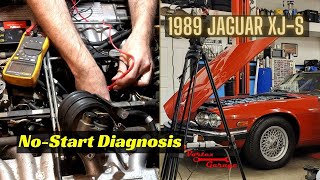
This can be difficult to diagnose without proper testing. Both can cause similar symptoms like a no-start or stalling when hot. A simple test is to check for spark from the coil's main high-tension wire. 🎬 Watch: Step-by-step diagnosis for a Jaguar with no spark If there is no spark, the problem could be the coil, the amplifier, or the pickup in the distributor. Given the known issues with the Lucas Opus amplifier, it is a common culprit on pre-H.E. models.
Are there any recalls on the ignition coil for my XJS?
No. Searches of the National Highway Traffic Safety Administration (NHTSA) database show no recalls specifically related to the ignition coil for the 1976-1982 Jaguar XJS.
Helpful Videos
Technical Specifications
OEM Part Numbers: DAC2495 DAC2693 DAC6093 DAC3795
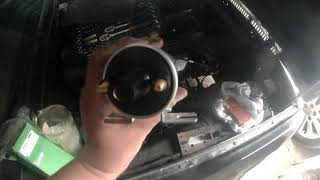
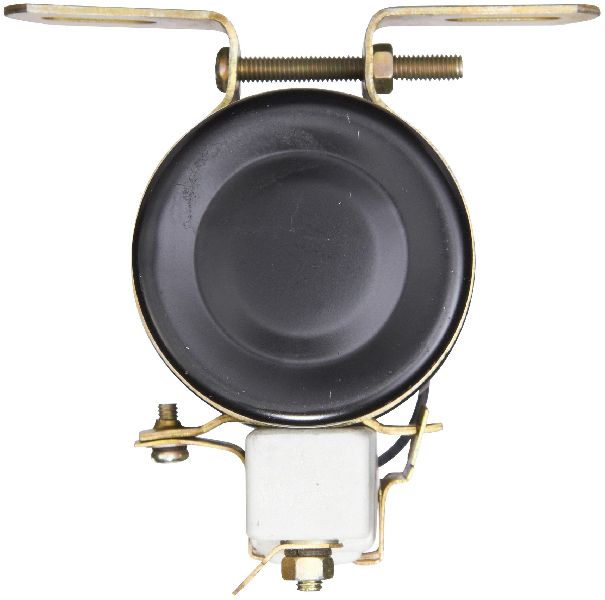
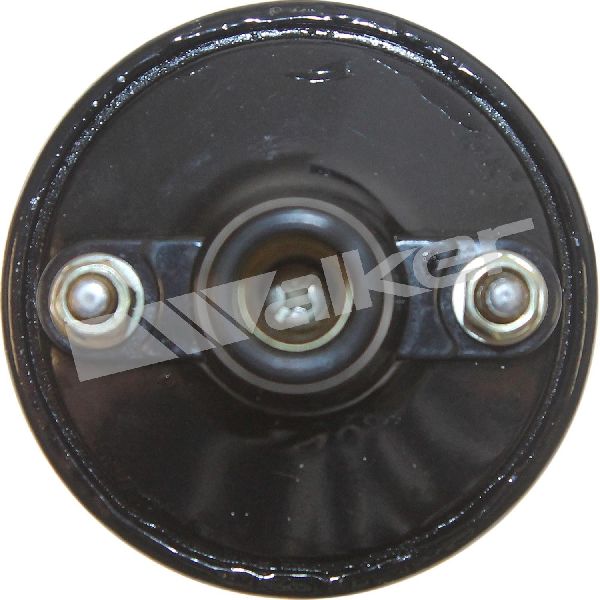
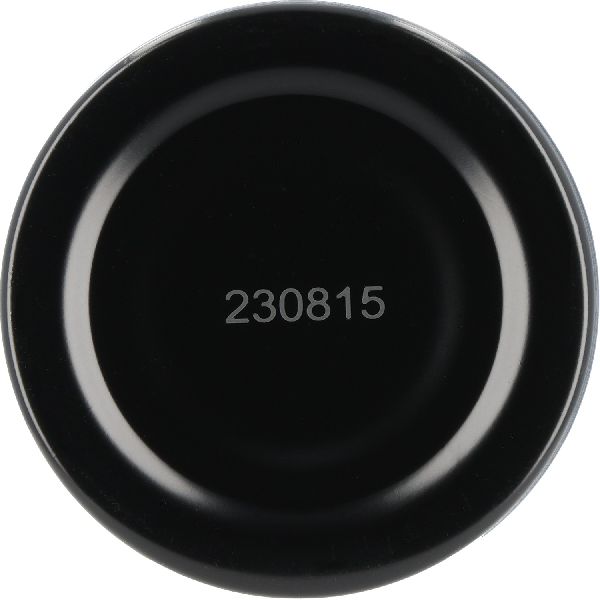
This vehicle uses a single canister-style ignition coil that is part of a distributor-based ignition system. It is a 12V coil. Some later models originally used a dual-coil system, which can be converted to a single, more powerful coil.
We Have This Part in Stock


The information in this article is provided for general reference and educational purposes only. Vehicle specifications, procedures, and part compatibility can vary by production date, trim level, and region. Always consult your vehicle's factory service manual and verify part numbers before purchasing or performing repairs. Safety-critical components such as airbags, seat belts, and braking systems should be installed by a qualified professional.