

Volvo 264 Ignition Coil Guide: 1976-1982 Models
Get your classic PRV V6 engine firing reliably with the correct new ignition coil.
- A failing coil on a 264 will cause noticeable issues like misfires, rough idling, stalling, and hard starts.
- Replacement is a simple DIY task that takes less than 30 minutes with basic tools.
- For best results, choose a reputable aftermarket brand like NGK or a premium offering from Standard Ignition.
- No recalls or TSBs are active for this part; failure is due to age. Any replacement will likely last the remaining life of the vehicle.
Symptoms of a Failing Ignition Coil on a Volvo 264
An ignition coil rarely fails suddenly. Usually, it gives warning signs that get worse over time. Because these cars were built before modern computer diagnostics, you have to rely on how the car feels and sounds. Common symptoms include:
- Engine Misfires: The engine may sputter, shake, or hesitate during acceleration because a cylinder isn't firing correctly.
- Hard Starting: The engine may crank for a long time before it starts, or it might not start at all. This can be worse in cold or damp weather.
- Rough Idle: When stopped, the engine may run unevenly and cause the car to vibrate.
- Stalling: The engine may shut off unexpectedly, especially when coming to a stop or at low speeds.
- Poor Fuel Economy: A weak spark leads to inefficient fuel combustion, forcing the engine to use more gasoline than normal.
- Backfiring: A loud pop from the exhaust can occur when unburned fuel ignites in the exhaust system.
Pro Tip: Check for Spark
A simple way to test your coil is to check for spark. Carefully disconnect the main high-tension wire from the distributor cap, hold the end near a metal part of the engine, and have a helper crank the engine. You should see a strong, bright blue spark jump the gap. A weak, orange spark or no spark at all points to a failing coil.
Choosing the Right Aftermarket Ignition Coil
For a classic vehicle like the 264, the original Bosch coils were high quality. While finding a new OEM part can be difficult, many aftermarket brands offer direct-fit replacements. They generally fall into a few quality tiers based on reputation and materials.
Premium & OEM-Equivalent Brands
These brands are known for quality engineering and are often used as original equipment by car manufacturers. They are a reliable choice for longevity.
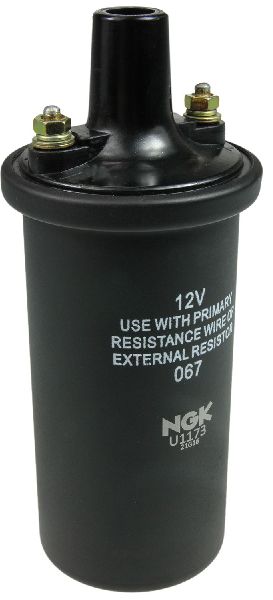
- NGK: Highly regarded in the automotive world for ignition components. Forum users often recommend NGK as a reliable and affordable alternative to original Bosch coils for classic Volvos. While occasional negative reviews exist for NGK coils on other vehicles, they are generally a trusted option.
- Standard Ignition (Blue Streak / Premium Line): Standard Motor Products (SMP) is a long-standing US company. Their premium lines are generally well-regarded, and they sometimes re-box parts from original manufacturers. Be aware that their economy lines (like the T-Series) have a more mixed reputation.
Standard Aftermarket Brands
These brands aim to meet or exceed original specifications and offer a good balance of price and quality. They are a solid choice for daily drivers.
- Holstein: This brand markets its coils as being built to OE standards with high-quality copper windings and undergoing extensive testing. They also offer a 3-year / 36,000-mile warranty, which provides some peace of mind.
Economy Brands
These are the most budget-friendly options. While they may come with attractive prices and warranties, owner feedback suggests quality can be inconsistent.
- Spectra Premium: Often one of the lowest-priced options. However, forum discussions on various car models mention a higher rate of premature failure, suggesting it might be worth spending more for a more reliable brand to avoid doing the job twice.
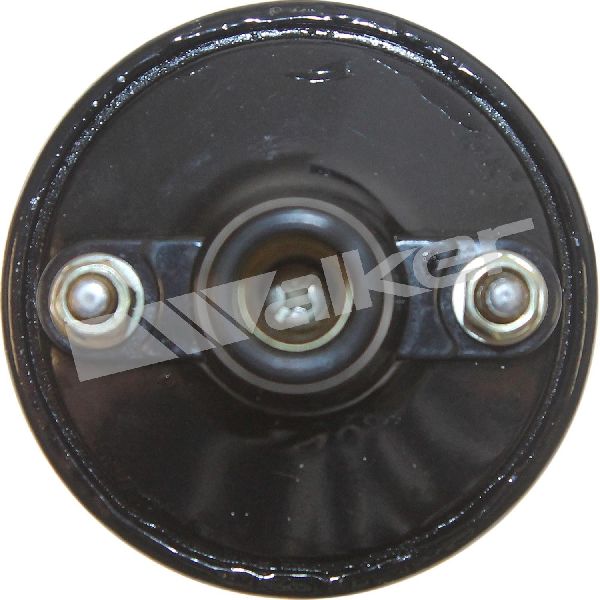
- Walker Products: Another economy-focused brand. While they produce a wide range of automotive sensors and components, user reviews are sparse for their ignition coils on classic Volvos.
Known Issues, Recalls, or TSBs
There are no active recalls or widespread Technical Service Bulletins (TSBs) from the NHTSA related to the ignition coil for the 1976-1982 Volvo 264. Any failure you experience today is almost certainly due to the component's age and normal wear and tear over 40+ years of service.
Frequently Asked Questions (FAQ)
Is an aftermarket coil good enough for my classic Volvo 264?
Yes, a quality aftermarket coil is perfectly suitable. The ignition system on the 264 is not overly complex. Brands like NGK and the premium lines from Standard Ignition have a strong reputation and can provide performance and reliability comparable to the original Bosch units.
Can I replace the ignition coil myself?
Absolutely. Replacing the canister-style coil on a 264 is a very simple job that requires only basic hand tools. It is typically mounted on the inner fender or firewall, is easily accessible, and can be swapped out in under 30 minutes.
How often should an ignition coil be replaced?
Ignition coils do not have a set replacement interval. They are a "replace as they fail" component. Given the age of these vehicles, if your coil is original, it has served well beyond its expected life. Replacing it as a preventative measure when you replace spark plugs and wires is not a bad idea.
What happens if I don't replace a failing ignition coil?
Driving with a bad coil can leave you stranded if it fails completely. It also causes poor engine performance, terrible gas mileage, and can lead to damage to other components, like the catalytic converter, from unburned fuel entering the exhaust.
Technical Specifications
OEM Part Numbers: 1219189 1336137 0221119027 0221122345
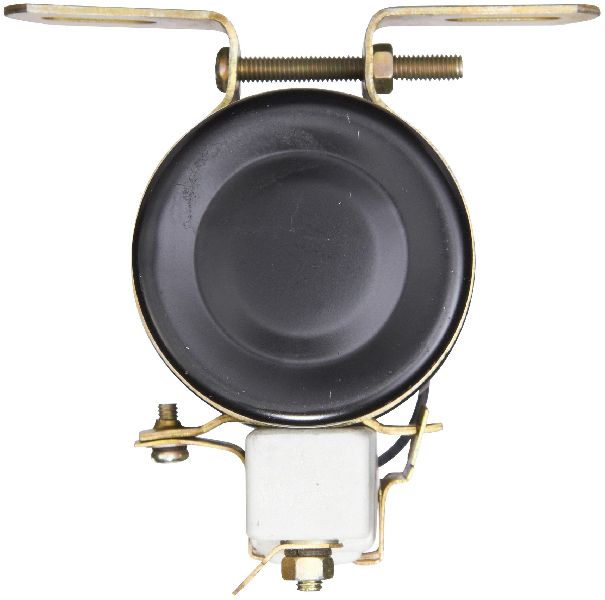
Canister-style, oil-filled or epoxy-filled, for use with an external ballast resistor (on some systems) or without (on electronic ignition systems). Check your specific system before ordering.
We Have This Part in Stock


The information in this article is provided for general reference and educational purposes only. Vehicle specifications, procedures, and part compatibility can vary by production date, trim level, and region. Always consult your vehicle's factory service manual and verify part numbers before purchasing or performing repairs. Safety-critical components such as airbags, seat belts, and braking systems should be installed by a qualified professional.