

Dodge Challenger Universal Joint Guide: 1978-1983
Everything you need to know about replacing the U-joints on your second-generation Dodge Challenger.
- The 1978-1983 Challenger is a rebadged Mitsubishi, not a classic Mopar, which influences part design.
- Address U-joint symptoms like clunking or vibration immediately to prevent a dangerous and costly driveshaft failure.
- For maximum reliability, choose a premium sealed (non-greasable) U-joint from a brand like Dana Spicer or SKF.
- It is always best practice to replace both U-joints on the driveshaft at the same time.
Is Your Challenger's U-Joint Failing?
A failing U-joint gives clear warning signs. Ignoring them can lead to a disconnected driveshaft, which can cause serious damage to other parts of your car. Listen and feel for these symptoms:
- Clunking or Ringing Noise: A distinct "clunk" when you shift into Drive or Reverse is the most common symptom. You might also hear a metallic ringing sound.
- Vibration at Speed: A vibration that you can feel through the floor or seats is a tell-tale sign. This vibration often gets worse as you drive faster. A worn U-joint throws the driveshaft out of balance, causing the shaking.
- Squeaking Noise: A constant, rhythmic squeak that changes with your speed, usually heard when driving slowly, means the U-joint has lost its lubrication and is wearing out.
Warning: Do Not Ignore a Failing U-Joint
A completely failed U-joint can cause the driveshaft to detach from the car while driving. This will cause an immediate loss of power and can lead to the driveshaft damaging your transmission, exhaust, and floor pan, resulting in very expensive repairs.
Choosing the Right Aftermarket U-Joint
For a vehicle like the 1978-1983 Challenger, aftermarket U-joints are the primary option, as original Mopar parts are generally no longer available. Quality varies by brand, so it's important to choose wisely.
Brand Quality Tiers
Premium Brands (Recommended): Dana Spicer, SKF
- Dana Spicer: Widely considered the gold standard for U-joints. Spicer was an original equipment supplier for many manufacturers and is known for excellent durability and manufacturing quality. For reliability and longevity, Spicer is the top choice.
- SKF: A well-respected bearing manufacturer that produces high-quality driveline parts. SKF is a strong alternative to Spicer and is trusted by many professional mechanics.
Standard & Economy Brands: Moog, GMB
- Moog: Moog's reputation is mixed in recent years. While once a top-tier brand, some forum users report a decline in quality, suggesting some parts are now made in China with less consistency. They can be a decent budget-friendly choice, but may not have the lifespan of a premium brand.
- GMB: Often positioned as a value or standard replacement brand. GMB U-joints will get the job done at an affordable price, making them suitable for budget-conscious repairs or less-driven vehicles.
Pro Tip: Greasable vs. Sealed U-Joints
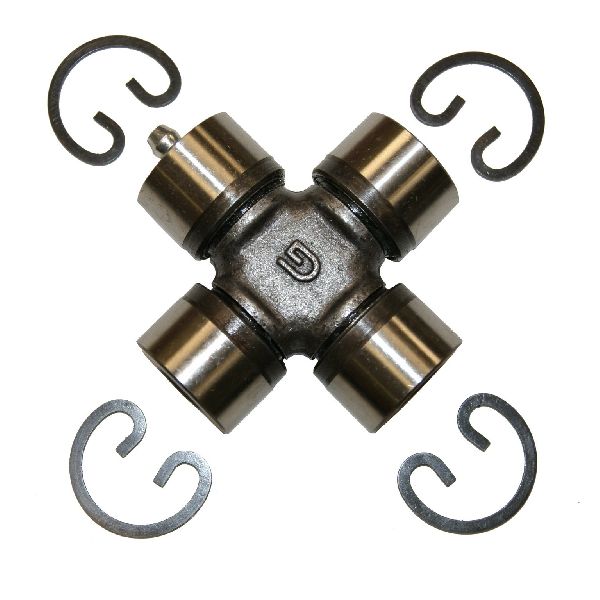
You will see two types of U-joints: sealed (non-greasable) and greasable (with a zerk fitting).
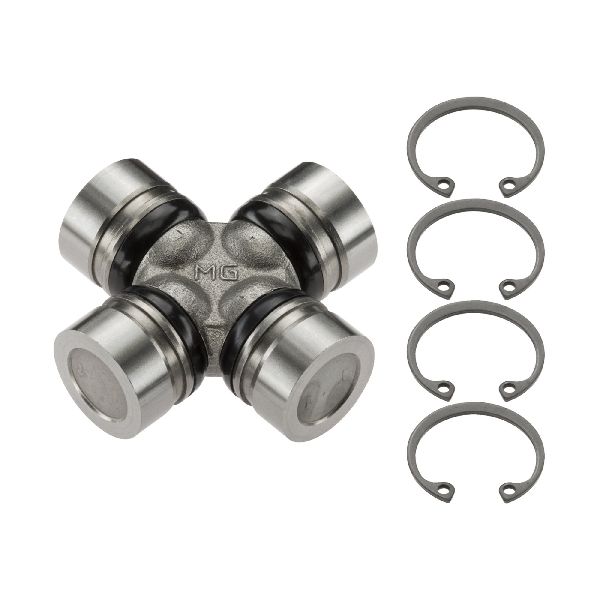
Sealed joints are lubricated for life and are generally stronger because the internal cross is solid metal. Most original equipment U-joints are sealed for this reason.
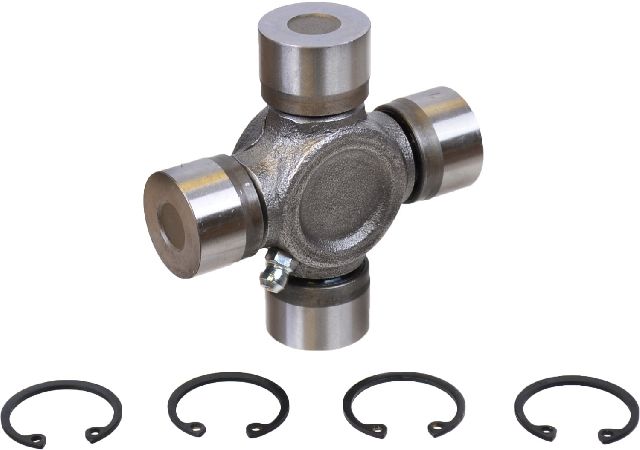
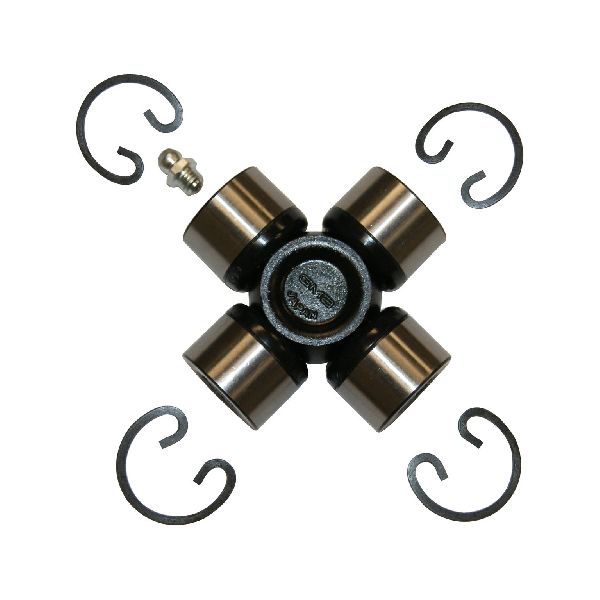
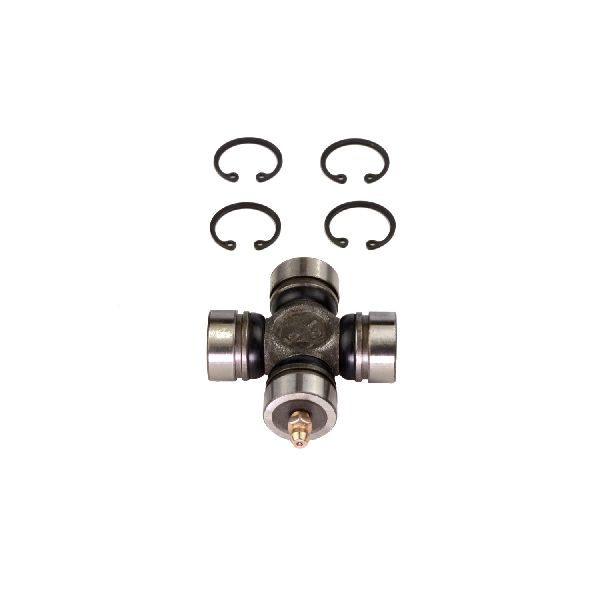
Greasable joints have a small fitting (zerk) that allows you to add fresh grease periodically. This can extend their life *if* you perform regular maintenance. However, the channel drilled for the grease fitting can be a structural weak point compared to a solid cross. For most owners, a high-quality sealed joint from a brand like Spicer is the most reliable, install-and-forget option.
Expected Replacement Costs
The cost to replace your U-joints will depend on the parts you choose and local labor rates. Your Challenger has two U-joints on its driveshaft.
| Item | Estimated Cost |
|---|---|
| Aftermarket U-Joints (Set of 2) | $32 - $202 |
| Shop Labor | $150 - $250 |
| Total Estimated Cost | $182 - $452 |
Frequently Asked Questions
Should I replace both U-joints at the same time?
Yes. The driveshaft must be removed to replace either U-joint. Since both joints have been subjected to the same amount of wear, it is highly recommended and more cost-effective to replace both at the same time to avoid paying for the same labor twice.
Is this a DIY job?
This job is possible for an experienced DIY mechanic, but it can be difficult. It requires safely raising the vehicle, removing the driveshaft, and using a bench vise and sockets, a ball joint press, or a hydraulic press to remove the old joints and install the new ones. Rusted parts can make removal very challenging, sometimes requiring a torch. If you damage the driveshaft yoke, you will need a new driveshaft.
Are there any recalls for the 1978-1983 Challenger U-joints?
No. Searches of the National Highway Traffic Safety Administration (NHTSA) database show no recalls specifically for the universal joints on this vehicle. Any recalls for this generation were for unrelated issues like fuel pumps.
What is a 'staked-in' U-joint?
Some vehicles use U-joints that are held in by staked-in retainers (dents in the yoke) instead of snap rings. The 1978-1983 Challenger, being based on a Mitsubishi platform, may have this design. While they can be replaced, it is a more difficult job that often requires a specialty machine shop. Always inspect your driveshaft first to see if it uses snap rings or is staked-in.
Technical Specifications
OEM Part Numbers: Unavailable
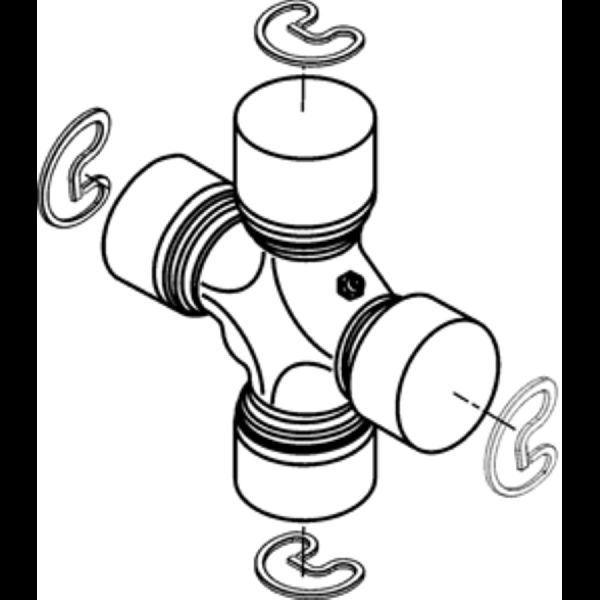
The 1978-1983 Dodge Challenger is a rear-wheel-drive vehicle that uses a driveshaft with two universal joints. These joints are typically a press-fit style secured with external snap rings. Due to the vehicle's age and Mitsubishi origins, it is critical to measure the existing U-joint's cap diameter and width to ensure an exact match with the aftermarket replacement.
We Have This Part in Stock

The information in this article is provided for general reference and educational purposes only. Vehicle specifications, procedures, and part compatibility can vary by production date, trim level, and region. Always consult your vehicle's factory service manual and verify part numbers before purchasing or performing repairs. Safety-critical components such as airbags, seat belts, and braking systems should be installed by a qualified professional.