

Choosing the Right Spark Plug for Your 1976-1983 Kawasaki KE125
Keep your two-stroke running smoothly by selecting the correct spark plug and avoiding common issues.
- Verify the correct NGK part number for your KE125's specific year; different years use different plugs.
- NGK is the most recommended brand and is considered OEM-quality; stick with it for best results.
- Always check and set the spark plug gap to 0.7mm-0.8mm before installation.
- Plug fouling is the most common issue; learn to recognize the symptoms and carry a spare plug.
Symptoms of a Bad Spark Plug
A failing spark plug can cause problems that are often mistaken for carburetor issues. Since a spark plug is inexpensive and easy to replace, it's a good first step in diagnosing engine trouble. Look for these signs:
- Hard Starting or No Start: The engine turns over but struggles or fails to fire up. This is a classic sign of a weak or nonexistent spark.
- Engine Misfires: The bike may sputter, hesitate, or lose power during acceleration. This feels like the engine is momentarily cutting out.
- Rough Idle: The engine runs unevenly or stalls when you are stopped.
- Increased Smoke or Fouling: Two-stroke engines are prone to 'fouling,' where the spark plug tip gets coated in oil and carbon deposits. This can be caused by a worn plug, incorrect fuel mixture, or using the wrong type of plug. A fouled plug will be black and possibly wet when removed.
Two-Stroke Engines and Plug Fouling
The 1976-1983 Kawasaki KE125 has a two-stroke engine, which mixes oil with gasoline for lubrication. This design makes them more likely to foul spark plugs compared to four-stroke engines, especially during short trips or long periods of idling. Carrying a spare, correctly gapped spark plug and a wrench is a common practice for vintage two-stroke owners.
Choosing the Right Aftermarket Spark Plug
For a vintage motorcycle like the KE125, using a reputable aftermarket spark plug is just as good as finding an original OEM part. Brands like NGK and Denso are often the original suppliers for Japanese motorcycles and are trusted for their quality and reliability.
Brand Quality Tiers
- Tier 1 (OEM Quality): NGK, Denso
NGK is the most recommended brand for the KE125 by owners and service manuals. It is widely considered the best choice for reliability and performance in this engine. Denso is another top-tier Japanese brand offering comparable quality. You can confidently use the standard or iridium plugs from these brands. - Tier 2 (Standard/Budget): Champion
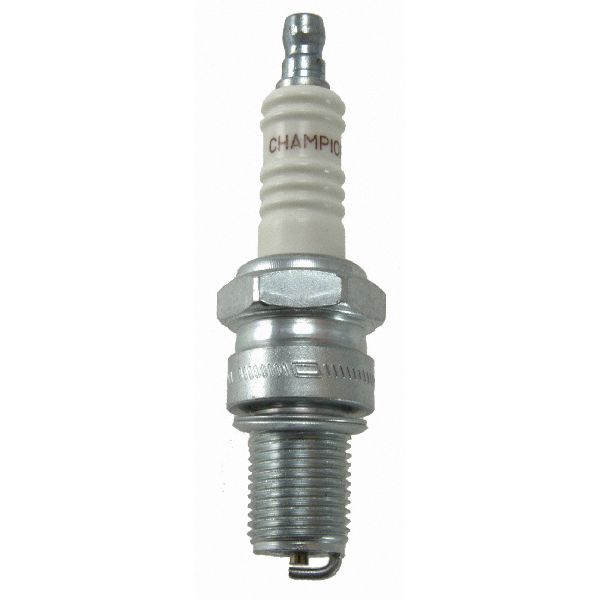
Champion plugs are a functional and budget-friendly option. However, some mechanics express caution, as heat range cross-references are not always perfect, which can be an issue in a sensitive two-stroke engine. If you choose Champion, ensure it is an exact cross-reference for the recommended NGK plug.
Which Specific Plug Do You Need?
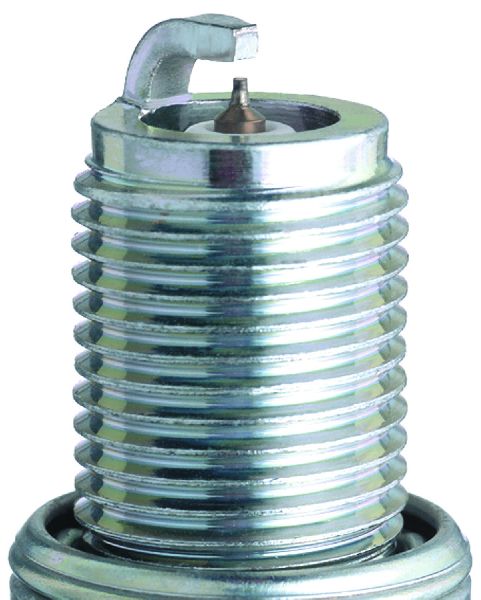
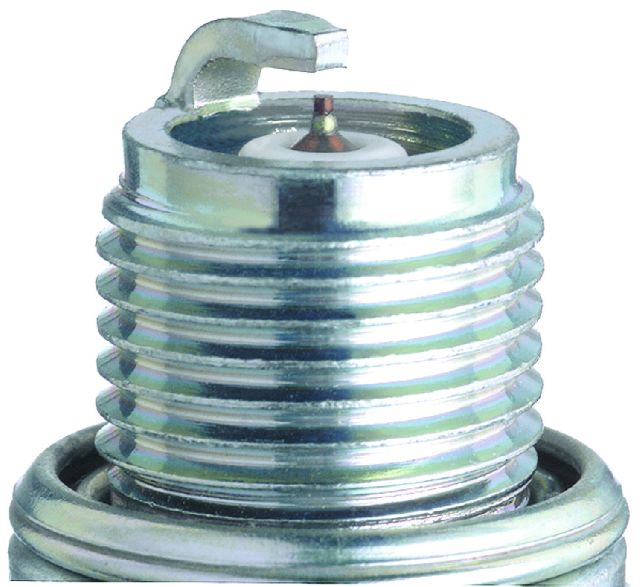
Kawasaki specified different spark plugs throughout the KE125's production run. Using the correct plug is critical for performance and preventing engine damage. Always check the part number for your bike's specific year.
| Model Year | Standard NGK Plug | Premium Iridium NGK Option |
|---|---|---|
| 1976-1979 | B8HS or BR8HS | BR8HIX |
| 1980-1981, 1983 | B8ES or BR8ES | BR8EIX |
| 1982 | BR9ES | BR9EIX |
Pro Tip: The 'R' in a plug number like 'BR8ES' stands for 'Resistor.' Resistor plugs are designed to reduce radio frequency interference that can affect electronics. While not strictly necessary on a vintage bike, they are common and work perfectly fine.
Known Issues, Recalls, or TSBs
There are no active recalls or Technical Service Bulletins (TSBs) from the National Highway Traffic Safety Administration (NHTSA) or Kawasaki for the spark plugs on the 1976-1983 KE125. While Kawasaki has issued recalls for spark plugs on some modern motorcycles, this specific vintage model is not affected.
Cost of a New Aftermarket Spark Plug
| Plug Type | Typical Cost (Single Plug) |
|---|---|
| Standard (NGK, Denso, Champion) | $3 - $8 |
| Iridium (NGK, Denso) | $12 - $25 |
The wide inventory price range of $3.61 to $55.77 reflects the difference between a single standard plug and a multi-pack of premium iridium plugs. For a single-cylinder bike like the KE125, you will only need one plug, and a standard NGK plug provides excellent performance for just a few dollars.
Frequently Asked Questions (FAQ)
What should the spark plug gap be?
The correct spark plug gap for the KE125 is between 0.7mm and 0.8mm (0.028" - 0.032"). Always check the gap on a new spark plug with a feeler gauge before installation; do not assume it is correct out of the box.
How often should I change the spark plug?
On a two-stroke engine, it is good practice to inspect the plug regularly and replace it at least once per riding season or every 1,000-2,000 miles. Given their low cost, changing the plug is cheap insurance against being stranded by a fouled plug.
Is an expensive iridium spark plug worth it?
For most riders, a standard NGK plug is all you need. Iridium plugs offer a longer service life and slightly more consistent spark, which can be beneficial, but they do not create more power on their own. Given how frequently two-stroke plugs can foul due to factors other than wear, the extra cost of an iridium plug may not provide a significant benefit for the average rider.
What does a fouled spark plug look like?
A fouled plug will have black, sooty carbon deposits on the insulator and electrode. If it's wet and black, it's likely oil-fouled, which could point to an issue with your oil injection system or fuel/oil premix ratio. A healthy plug should have a light tan or grayish-brown color.
Technical Specifications
Spark Plug Type: Varies by year. Common types include NGK B8HS, BR8HS, B8ES, BR8ES, and BR9ES. Spark Plug Gap: 0.7mm - 0.8mm (0.028" - 0.032") Wrench Size: 20.8mm (13/16")
We Have This Part in Stock

The information in this article is provided for general reference and educational purposes only. Vehicle specifications, procedures, and part compatibility can vary by production date, trim level, and region. Always consult your vehicle's factory service manual and verify part numbers before purchasing or performing repairs. Safety-critical components such as airbags, seat belts, and braking systems should be installed by a qualified professional.