

Choosing the Right Alternator for Your 1976-1983 Toyota Corolla
Keep your classic Corolla's electrical system healthy by understanding its alternator and picking the right replacement.
- A failing alternator will leave your Corolla stranded once the battery's power is used up.
- Symptoms like dimming lights, a battery warning light, and whining noises are clear indicators of a problem.
- For this classic model, a new aftermarket alternator is a reliable and cost-effective choice, as OEM parts are generally unavailable.
- Replacement is a straightforward job for a DIYer with basic tools and can be completed in under two hours.
Is Your Corolla's Alternator Failing?
Alternators on older cars like the 1976-1983 Corolla tend to give clear warning signs before they fail completely. Paying attention to these symptoms can prevent you from getting stuck on the side of the road.
- Dimming or Flickering Lights: One of the most common signs is headlights and dash lights that dim at idle and brighten when you rev the engine. This indicates the alternator isn't producing consistent power.
- Weak or Dead Battery: If you've replaced your battery but it keeps dying, the alternator is the likely culprit. It's not recharging the battery as you drive.
- Battery Warning Light: Your dashboard may have a battery-shaped warning light. While it can mean a battery issue, it often points to a problem with the charging system, which is the alternator.
- Strange Noises: A whining or grinding sound from the engine bay can signal worn-out bearings inside the alternator.
- Electrical Problems: Slow power windows or a radio that cuts out are signs that there isn't enough electrical power to go around.
Choosing a New Aftermarket Alternator
For a classic vehicle like the 1976-1983 Corolla, finding a brand-new Original Equipment (OEM) alternator is nearly impossible. The good news is that the aftermarket offers plenty of quality new options that meet or exceed original specifications. Aftermarket parts are often more affordable and readily available.
Aftermarket Brand Tiers
| Brand | General Quality & Reputation |
|---|---|
| ACDelco | A highly reputable brand, often considered a top-tier aftermarket choice. While strongly associated with GM vehicles, their professional-grade parts are known for reliability in many applications. |
| Remy | A well-known name in rotating electrical parts. Remy offers new units and is generally considered a solid, reliable choice for daily drivers. |
| WAI Global | Known for producing 100% new alternators (not remanufactured) and often including a quality test report in the box. This provides extra assurance of the part's performance. |
| BBB Industries / MPA | These are major players in the aftermarket and remanufacturing industry. They supply parts for many store brands and are generally seen as a standard replacement quality option. |
Pro Tip: For a classic Japanese car, Denso is often the original equipment manufacturer. While not on your specific list, if you find a new or remanufactured Denso unit, it is an excellent choice for fit and performance.
Known Issues, Recalls, and Bulletins
Given the age of the 1976-1983 Corolla, official manufacturer Technical Service Bulletins (TSBs) and recalls are rare and difficult to find. Searches on the National Highway Traffic Safety Administration (NHTSA) database show no open or recent recalls specifically for the alternator on these model years. One recall was found for the 1984 Corolla concerning a voltage regulator that could fail and lead to overcharging, but this does not apply to the 1976-1983 range. The reliability of these older systems is straightforward, and failures are typically due to age and wear of mechanical 🎬 Watch this video to learn why Toyota Corolla alternators fail. parts like bearings or electrical components like the voltage regulator.
Frequently Asked Questions (FAQ)
How do I know if it's the battery or the alternator?
A simple test is to jump-start the car. If the engine starts and continues to run after you disconnect the jumper cables, your battery was likely the issue. If the car dies shortly after being jump-started, the alternator is not creating power to keep it running and needs to be replaced.
Can I replace the alternator on my 1976-1983 Corolla myself?
Yes, for most owners with basic mechanical skills. The alternator on these older Corollas is typically easy to access in the engine bay. The process involves disconnecting the battery, loosening the drive belt, unbolting the old alternator, and installing the new one in the reverse order.
Do I need a high-output alternator?
For a stock 1976-1983 Corolla, a standard replacement alternator is perfectly fine. You only need to consider a high-output (higher amperage) unit if you have added significant electrical accessories like a powerful sound system, extra lighting, or other electronics that draw more power than the original system was designed for.
How long should a new alternator last?
A new quality aftermarket alternator should last for many years and tens of thousands of miles. Factors like driving conditions, electrical load, and the condition of your battery and cables can affect its lifespan. There is no set replacement interval; you replace it when it fails.
Helpful Videos

Technical Specifications
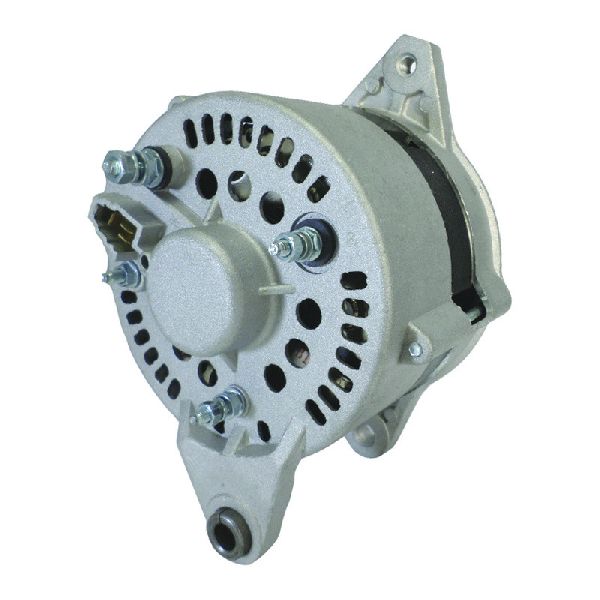
OEM Part Numbers: 27020-13171 27020-22030 27020-24050
Externally Regulated (most models), Amperage typically ranges from 45A to 60A. Verify the specific plug and mounting configuration for your exact year and engine before ordering.
We Have This Part in Stock
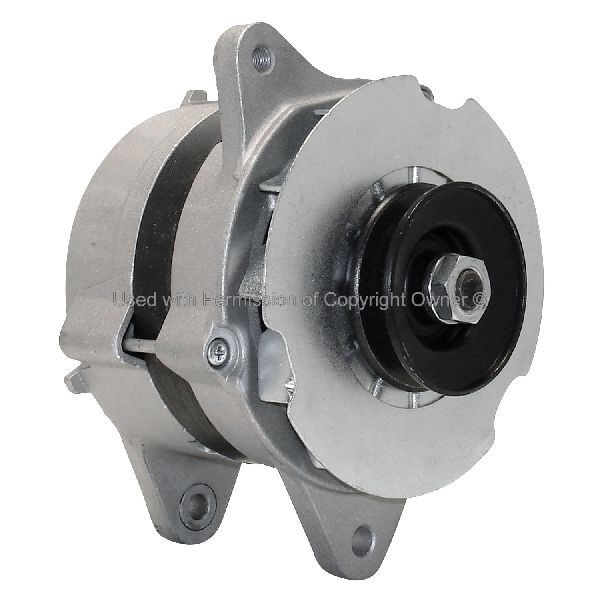
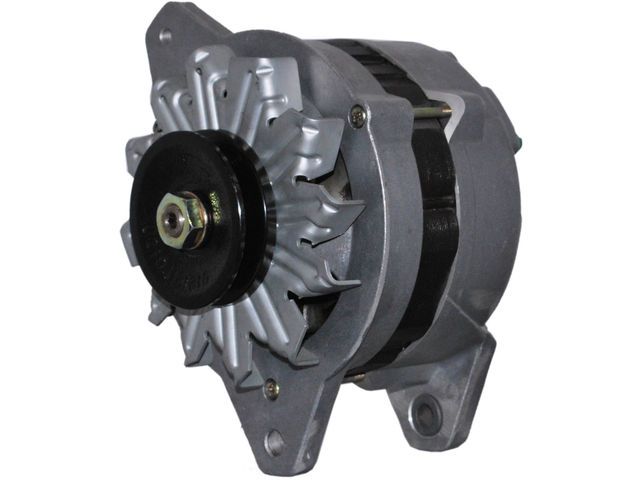
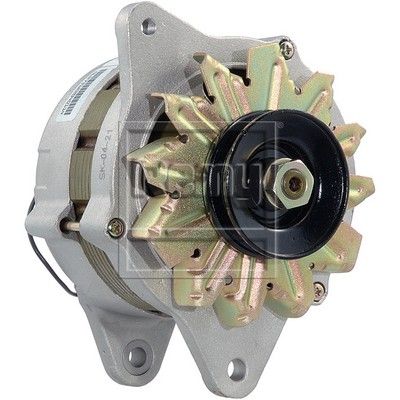
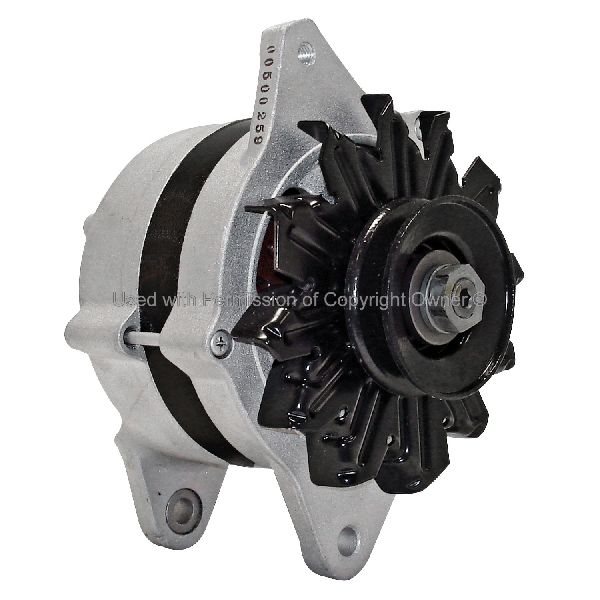

The information in this article is provided for general reference and educational purposes only. Vehicle specifications, procedures, and part compatibility can vary by production date, trim level, and region. Always consult your vehicle's factory service manual and verify part numbers before purchasing or performing repairs. Safety-critical components such as airbags, seat belts, and braking systems should be installed by a qualified professional.