

Engine Coolant Temperature Sensor Guide for the 1976-1984 Buick Regal
An essential guide to understanding, diagnosing, and replacing the coolant temperature sensor on your G-Body Buick Regal.
- Verify if you need a one-wire sender for the gauge or a two-wire sensor for the computer; they are not the same.
- Symptoms of failure include a bad gauge reading, poor fuel economy, overheating, and black exhaust smoke.
- Replacement is an easy DIY job that takes less than an hour.
- Do not use thread sealant on single-wire senders, as they need to ground through the threads.
Understanding Your Regal's Coolant Sensor
The Engine Coolant Temperature (ECT) sensor is a small but vital part of your Buick Regal's engine management system. For this generation of vehicles, before modern computers were standard, the sensor's main job was often to run the temperature gauge on your dashboard. On later models within this year range, especially those with more advanced emissions controls or early fuel injection, the sensor also provides data to the engine's computer. A failing sensor can lead to significant engine performance issues or leave you unaware of a dangerous overheating problem.
Gauge Sender vs. ECU Sensor
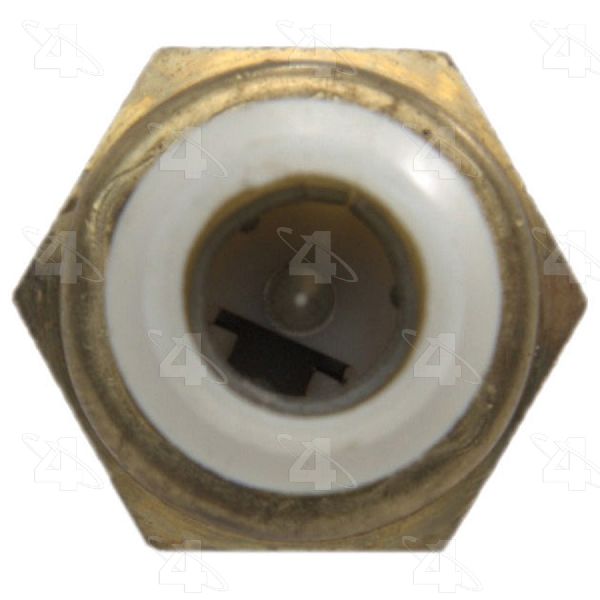
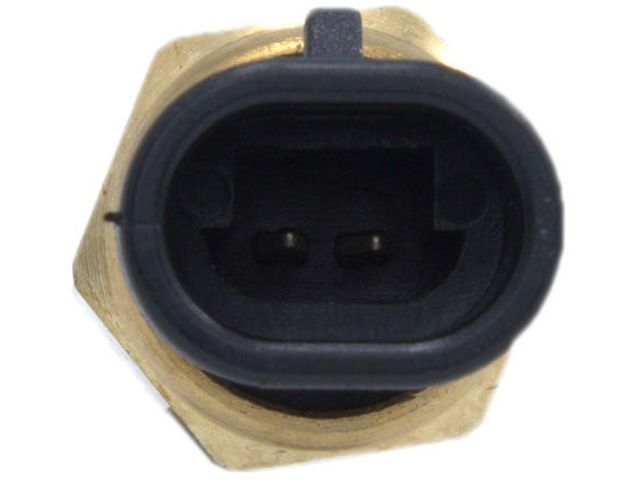
It's important to know that your Regal might have two separate temperature units. One is a single-wire "sender" just for the temperature gauge, which grounds through the engine block. The other is a two-wire "sensor" that sends information to the engine computer (ECM). Always verify which one you are replacing, as they are not interchangeable.
Symptoms of a Failing Coolant Temperature Sensor
When the ECT sensor fails, it can send incorrect signals or no signal at all. Here are the most common signs that your sensor needs to be replaced:
- Inaccurate or Dead Temperature Gauge: The needle on your dash might stay on "Cold," jump to "Hot" unexpectedly, or not move at all.
- Engine Overheating: If the sensor fails to report a high temperature, the electric cooling fans (if equipped) may not turn on when needed, causing the engine to overheat.
- Poor Fuel Economy: A sensor stuck reading "cold" will tell the computer to run a rich fuel mixture, wasting gas.
- Black Smoke from Exhaust: A very rich fuel mixture caused by a bad sensor can result in unburned fuel exiting through the exhaust as black smoke.
- Rough Idle: The engine may idle poorly because the computer is using the wrong fuel and timing settings based on false temperature readings.
Choosing the Right Aftermarket Sensor
Since original GM parts for this era are often discontinued, the aftermarket is your primary source. Quality can vary, so it's important to choose wisely. User reviews and mechanic feedback suggest that paying a little more for a quality brand can prevent you from having to do the job twice.
Brand Quality Tiers
- Premium Aftermarket (ACDelco, Standard Ignition): ACDelco is GM's original parts brand, and their aftermarket "Gold" line is generally the closest you can get to factory quality. Standard Ignition (SMP) is a highly respected brand known for reliable electronics and often includes a new electrical connector in their kits. While these are top choices, be aware that even some ACDelco parts are now sourced globally and occasional quality issues have been noted by users.
- Quality Value (Holstein): Holstein positions itself as an OE-quality alternative with a strong 3-year/36,000-mile warranty and a claimed low failure rate. They state they use factories that also supply original manufacturers. This can be a good balance of price and reliability.
- Standard/Economy (Four Seasons, Global Parts, Motorad, True Tech): These brands offer functional replacements at a budget-friendly price. They are a practical choice for a simple repair, but may not have the same long-term durability or precise calibration as premium brands.
| Part/Service | Estimated Cost |
|---|---|
| New Aftermarket Sensor | $12.58 - $56.36 |
| Shop Labor | $85 - $120 |
| Total Professional Replacement | $98 - $176 |
Installation Tip
If you are replacing a single-wire temperature sender for the gauge, do not use thread sealant or Teflon tape on the threads. The sender needs a clean metal-to-metal connection to ground itself to the engine block. Using sealant can insulate the threads and cause incorrect gauge readings.
Frequently Asked Questions (FAQ)
Where is the coolant temperature sensor located on my Buick Regal?
The sensor is typically screwed into the engine's intake manifold or the cylinder head, near the thermostat housing. On V6 and V8 engines, it is usually found at the front of the engine. You will see a small electrical connector attached to it.
Is this a difficult part to replace myself?
No, this is a good DIY project for beginners. The difficulty is low, requiring basic hand tools like a deep socket or wrench. The main steps are partially draining the coolant, unplugging the wire, and swapping the sensor. The entire job usually takes less than an hour.
Are there any recalls for this part?
No, searches of the National Highway Traffic Safety Administration (NHTSA) database show no recalls or technical service bulletins (TSBs) specifically related to the engine coolant temperature sensor for the 1976-1984 Buick Regal.
Do I need to drain all the coolant to replace it?
You do not need to drain all the coolant. You only need to drain enough from the radiator's petcock so the coolant level is below the sensor's location to minimize spillage. Some mechanics will quickly swap the sensor without draining, but this is messy and can lead to coolant loss.
Technical Specifications
OEM Part Numbers: 1513321 25037062 15326386 12191170
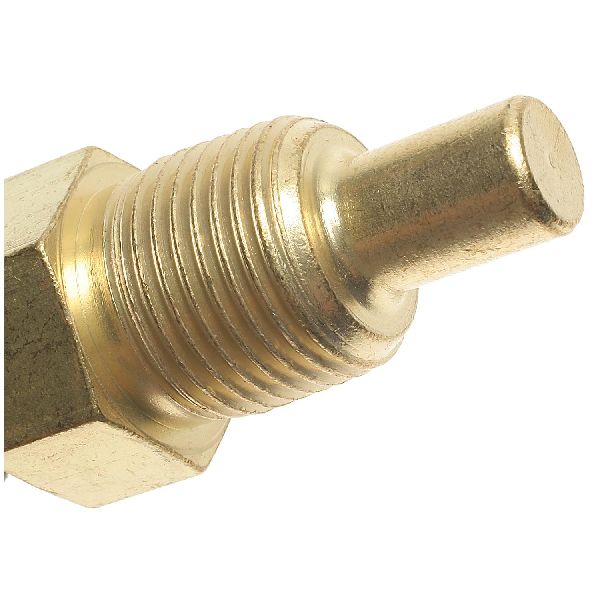
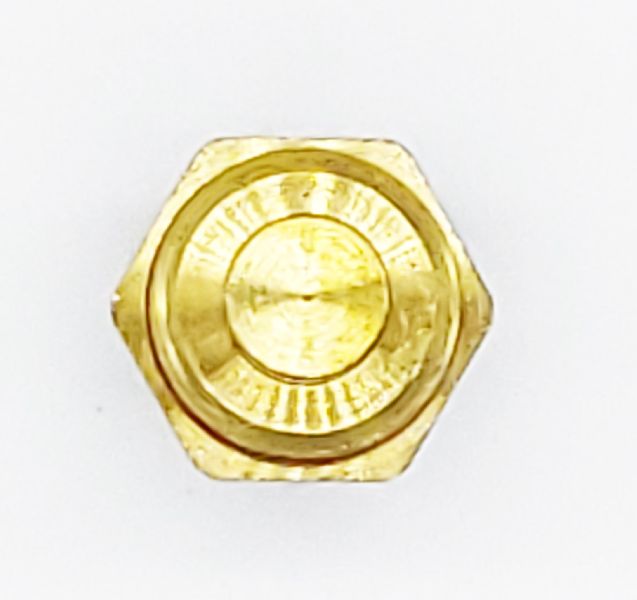
Varies by engine and year. Typically a brass sensor with either a single blade/button connector (for gauge sender) or a two-pin plastic connector (for ECM sensor). Common thread size is 3/8" NPT.
We Have This Part in Stock



The information in this article is provided for general reference and educational purposes only. Vehicle specifications, procedures, and part compatibility can vary by production date, trim level, and region. Always consult your vehicle's factory service manual and verify part numbers before purchasing or performing repairs. Safety-critical components such as airbags, seat belts, and braking systems should be installed by a qualified professional.