

Dodge Challenger Engine Mount Replacement Guide (1976-1984)
Stop excessive engine vibration and clunking noises in your second-generation Challenger.
- Only engine mounts listed for the 1976-1984 Challenger will fit; other Challenger generations are incompatible.
- Symptoms include heavy vibration, clunking noises on acceleration, and visible engine rocking.
- Brands like DEA and Westar are standard, affordable aftermarket replacements.
- It is highly recommended to replace all engine mounts and the transmission mount as a set.
Symptoms of a Bad Engine Mount
When an engine mount fails on your Challenger, the signs are usually easy to notice. The rubber in the mount can crack, get soaked with oil, or simply wear out from age, leading to problems you can feel and hear.
| Symptom | Description |
|---|---|
| Excessive Vibration | This is the most common sign. You'll feel a noticeable vibration through the steering wheel, floor, or seats, especially when the car is idling. |
| Clunking or Thumping Noises | When you accelerate, brake, or put the car into gear, you might hear a loud clunk. This is the sound of the engine shifting and hitting against other parts because the mount is no longer holding it securely. |
| Visible Engine Movement | If you open the hood, have a friend safely put the car in gear and lightly press the accelerator while holding the brake, you might see the engine lift or jerk significantly. A little movement is normal, but more than an inch is a red flag. |
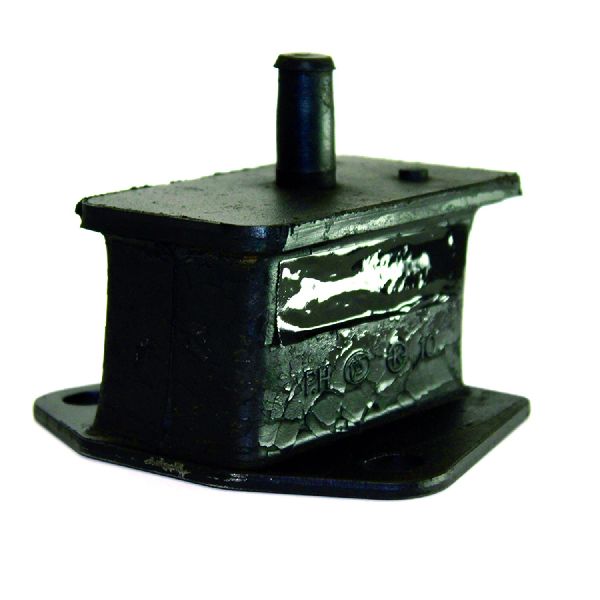
| Visual Damage | Sometimes, you can see the problem. Look for cracked, torn, or bulging rubber on the mount. Oil-soaked rubber is also a sign of failure, as oil breaks down the material. |
Choosing an Aftermarket Engine Mount
For a vehicle like the 1976-1984 Challenger, finding new original equipment manufacturer (OEM) parts from Mopar is nearly impossible. The market consists entirely of aftermarket brands that produce new parts to fit your car. The two main brands you will find are DEA and Westar.
Both DEA and Westar are known for providing affordable, standard replacement parts. They are designed to fit and function like the original mounts and are a practical choice for a daily driver or a car you're keeping on a budget. Forum discussions among mechanics and car owners suggest that while these brands get the job done, they may not last as long as the original factory parts did. However, given the age of the vehicle, they are a reliable and available option.
Pro Tip: When replacing engine mounts, it's a good idea to replace them all at the same time, including the transmission mount. If one has failed, the others have been subjected to the same age and stress and may fail soon after. This ensures the entire powertrain is properly secured.
Known Issues, Recalls, or TSBs
There are no specific engine mount recalls, Technical Service Bulletins (TSBs), or widespread factory defects reported to the National Highway Traffic Safety Administration (NHTSA) for the 1976-1984 Dodge Challenger. Any issues you experience are most likely due to the age and wear of the original parts, not a manufacturing flaw.
Frequently Asked Questions (FAQ)
Can I use an engine mount from a different Dodge Challenger?
No. The 1976-1984 Challenger is a completely different car from the 1970-1974 muscle car or the 2008-present models. You must use parts specifically listed for the 1976-1984 model years to ensure proper fitment.
Is it okay to use budget brands like DEA or Westar?
Yes, for this vehicle, they are the primary option. While some mechanics have mixed opinions on longevity compared to original parts, they are considered a standard, cost-effective repair solution. Since new OEM parts are not available, these aftermarket brands are the go-to choice.
Should I replace the transmission mount at the same time?
Yes, it is highly recommended. The engine and transmission mounts work together to support the powertrain. Replacing them as a set ensures everything is balanced and reduces the chance of another mount failing soon after.
What happens if I don't replace a bad engine mount?
Ignoring a bad engine mount can lead to more serious problems. The constant movement can damage other components like radiator hoses, exhaust manifolds, and wiring. In extreme cases, the engine can shift enough to cause a loss of control or significant damage to the engine bay.
Technical Specifications
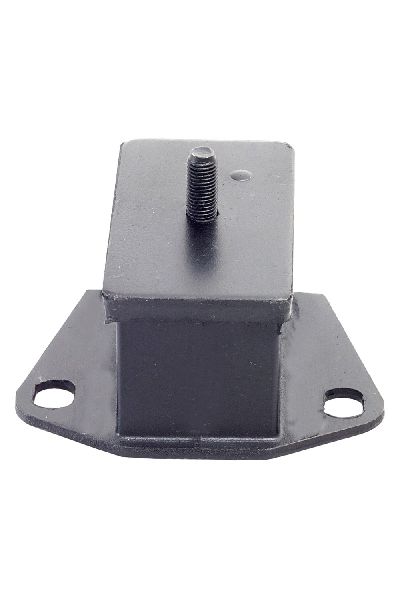
Standard aftermarket part numbers include A2731 (Engine Mount) and A2730 (Transmission Mount). These are solid rubber and steel construction, not hydraulic.
We Have This Part in Stock

The information in this article is provided for general reference and educational purposes only. Vehicle specifications, procedures, and part compatibility can vary by production date, trim level, and region. Always consult your vehicle's factory service manual and verify part numbers before purchasing or performing repairs. Safety-critical components such as airbags, seat belts, and braking systems should be installed by a qualified professional.