

Engine Oil Pressure Switch Guide for the 1978-1983 Dodge Challenger
Understanding the oil pressure warning light in your second-generation Challenger.
- The 1978-1983 Challenger is a rebadged Mitsubishi, so parts are based on Japanese engineering of the era.
- Never ignore an oil pressure light; always verify the actual oil pressure with a mechanical gauge before assuming the switch is bad.
- A faulty switch is an easy and inexpensive DIY repair that can prevent misdiagnosis of a serious engine problem.
- Top aftermarket brands like Standard Ignition and Holstein are reliable choices for this replacement part.
Understanding Your Challenger's Oil Pressure System
The second-generation Dodge Challenger, produced from 1978 to 1983, was a rebadged import from Mitsubishi. This means its mechanical and electrical parts, including the engine oil pressure switch, are based on Mitsubishi engineering of that era. The system is straightforward: a simple pressure-activated switch tells the warning light on your dash when to turn on. Unlike modern cars, it doesn't provide a variable reading to a gauge; it's a simple go/no-go warning.
Symptoms of a Failing Oil Pressure Switch
A bad oil pressure switch can create confusing and alarming situations. Because this part is relatively inexpensive and easy to replace, it's often the first thing to check when you see oil pressure warnings. Common symptoms include:
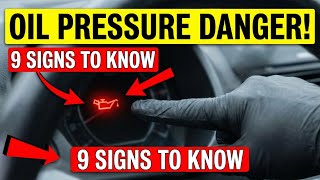
🎬 Watch this video to learn more about oil pressure warning signs.- Oil Warning Light Stays On: If the light is on but your oil level is correct and the engine sounds normal, the switch may be stuck in the 'on' position.
- Flickering Oil Light: A light that flickers, especially at idle or during turns, can indicate a faulty switch that is borderline failing. It can also be a sign of genuinely low oil pressure, so it should be investigated immediately.
- Oil Light Never Comes On: The oil light should briefly illuminate when you turn the key to the 'on' position before starting the engine. This is a bulb check. If it doesn't, the bulb could be burned out, or the switch may have failed in the 'open' position.
Important: Verify Real Oil Pressure
Never assume a warning light is just a bad sensor. If your oil light comes on, turn off the engine as soon as it is safe to do so. Check your oil level. If the level is fine, it's wise to have a mechanic test the engine's actual oil pressure with a mechanical gauge before driving further. Driving with low oil pressure can destroy an engine in minutes.
Choosing the Right Aftermarket Switch
Since new OEM parts for this vehicle are scarce, the aftermarket is your primary source. The quality can vary, but several reputable brands offer replacements.
- Standard Ignition (SMP): Often considered a top-tier aftermarket brand, Standard produces parts that meet or exceed OE specifications. They are known for robust testing and quality materials, making them a reliable choice for a critical sensor like this. 🎬 See how Standard Ignition manufactures their high-quality oil pressure switches.
- Holstein: Holstein is a well-regarded brand that produces OE-quality sensors, often in the same factories that supply original manufacturers. They are a solid, reliable option and are often seen as a good balance between price and quality.
- Rostra Powertrain: Rostra is a long-standing manufacturer of OE and aftermarket electronic parts, including sensors and switches. They are known for quality manufacturing processes and offer a dependable, budget-friendly alternative.
Cost of Replacement
Replacing the oil pressure switch is one of the more affordable repairs you can perform on your Challenger.
| Part/Service | Estimated Cost |
|---|---|
| New Aftermarket Part | $6.79 - $58.68 |
| Shop Labor | $45 - $90 |
| Total Estimated Cost | $52 - $149 |
DIY Replacement
This is a great DIY job for a beginner. The switch is typically located on the engine block, often near the oil filter. It can be replaced in under an hour with basic hand tools, including a special socket for oil pressure switches. Always apply thread sealant to the new switch if it isn't pre-applied, and be prepared for a small amount of oil to drip out when you remove the old one.
Frequently Asked Questions
Where is the oil pressure switch on a 1978-1983 Challenger?
The oil pressure switch is typically screwed into the side of the engine block, often near the oil filter. On the Mitsubishi-built engines used in these cars (1.6L or 2.6L I4), it's a small, single-wire sensor. You may need to look from underneath the vehicle to spot it.
Is a flickering oil light serious?
Yes. A flickering light can be a sign of a failing sensor, but it can also mean your oil pressure is dangerously low, especially when the engine is hot and the oil is thinner. Stop the car, check the oil level, and do not continue driving until the cause is confirmed.
Are there any recalls for the oil pressure switch on this car?
There are no specific recalls for the oil pressure switch on the 1978-1983 Dodge Challenger. There were recalls related to the fuel pump, which could cause fuel leaks. No TSBs (Technical Service Bulletins) related to the oil pressure switch were found in the search.
Can I just ignore a bad switch if I know it's faulty?
No. A faulty switch that either stays on or stays off robs you of the only warning system you have for actual low oil pressure. Given the low cost and ease of replacement, it should be fixed immediately to ensure you can be alerted to a real, engine-threatening problem in the future.
Helpful Videos
Technical Specifications
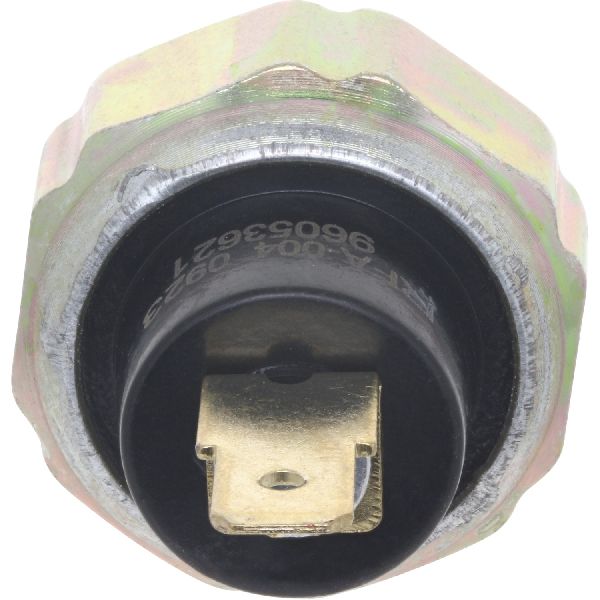
The Engine Oil Pressure Switch for this vehicle is a single-terminal switch that operates the dashboard warning light. It does not send a variable signal for a pressure gauge. It is designed for the 1.6L and 2.6L Mitsubishi inline 4-cylinder engines used in this generation of Challenger.
We Have This Part in Stock


The information in this article is provided for general reference and educational purposes only. Vehicle specifications, procedures, and part compatibility can vary by production date, trim level, and region. Always consult your vehicle's factory service manual and verify part numbers before purchasing or performing repairs. Safety-critical components such as airbags, seat belts, and braking systems should be installed by a qualified professional.