

Choosing the Right Aftermarket Disc Brake Pads for Your 1976-1986 Cadillac Eldorado
Keep your classic Cadillac stopping smoothly and safely by understanding its unique brake system and choosing the correct pads.
- Verify your Eldorado's exact year; the 1976-1986 range covers three different generations with unique brake parts.
- For most owners, premium semi-metallic pads from brands like ACDelco, Wagner, or Akebono offer the best balance of performance and value.
- Pay close attention to the rear calipers on 1979-1985 models, as they are a known trouble spot and require proper adjustment.
- Always replace brake hardware (clips and guides) and consider replacing rotors at the same time as the pads for best results.
Understanding Your Eldorado's Brakes: A Tale of Three Generations
When shopping for brake pads for a 1976-1986 Cadillac Eldorado, it's crucial to know that this single decade covers three different vehicle generations with different braking systems. Ordering the wrong pads is a very common mistake. Always confirm your vehicle's exact year before purchasing.
- 1976-1978 Eldorado: These models were large, front-wheel-drive cars that came standard with front disc brakes. Some models were equipped with an optional four-wheel disc brake system, which featured a unique rear caliper with an integrated parking brake.
- 1979-1985 Eldorado: This generation was downsized but still featured a four-wheel disc brake system. The rear calipers on these models are known to be particularly troublesome, often requiring special adjustment procedures for the parking brake to work correctly. Many owners on forums report issues with these calipers sticking or failing to adjust properly.
- 1986 Eldorado: The 1986 model year marked another significant downsizing and a move to a new chassis. It has different brake components than the earlier years.
A Known Issue: The Rear Disc Brakes (1976-1985)
The rear disc brake calipers, especially on the 1979-1985 models, are a frequent source of problems. The self-adjusting parking brake mechanism inside the caliper can fail, leading to a non-functional parking brake and a spongy brake pedal. When replacing pads, it is critical to inspect the calipers for proper function and adjust them correctly. Some owners report that even new or remanufactured calipers can be problematic.
Symptoms of Worn Disc Brake Pads
Your Eldorado will give you clear signs when it's time for new brake pads. Ignoring them can lead to more expensive repairs.
- Squealing or Screeching: Most brake pads have a small metal tab called a wear indicator. When the pads are thin, this tab scrapes against the rotor, making a high-pitched noise.
- Grinding Noise: If you hear a deep, metallic grinding, it means the brake pad material is completely gone. The metal backing plate of the pad is now grinding against the rotor, causing significant damage. Stop driving the vehicle immediately if you hear this.
- Spongy or Soft Brake Pedal: If the pedal feels soft or goes closer to the floor than usual, it could be a sign of worn pads or a problem in the hydraulic system, which was a known issue on some of these models.
- Vehicle Pulling to One Side: If a caliper is sticking or pads are worn unevenly, your car may pull to the left or right when you brake.
Choosing the Right Aftermarket Brake Pads
For a classic vehicle like the Eldorado, original equipment (OEM) parts from Cadillac are often discontinued or very expensive. The aftermarket offers a wide range of quality and prices. Here’s how to choose.
Ceramic vs. Semi-Metallic Pads
The two most common types of brake pads you'll find are ceramic and semi-metallic. For the heavy Eldorado, Semi-Metallic pads are generally the recommended choice. They handle heat better and provide the strong stopping power needed for a large car. Ceramic pads are quieter and produce less dust, but may not offer the same high-temperature performance, making them less ideal for heavy vehicles unless specifically designed for them.
Brand Tiers for Your Eldorado
Economy / Daily Driver Brands (e.g., Dynamic Friction, Total Stopping Solutions, some Centric lines)
These pads are the most affordable and are a good choice for cars that are driven infrequently or gently. They meet safety standards but may wear out faster or create more brake dust than premium options.
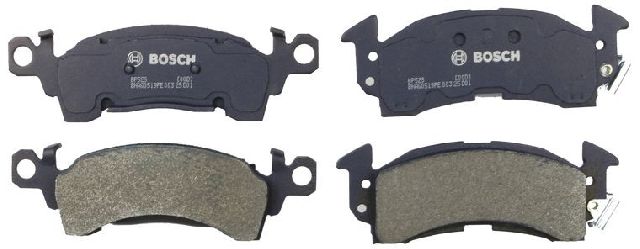
Premium / OEM-Quality Brands (e.g., ACDelco, Wagner, Raybestos, Bosch, Akebono)
This tier offers the best balance of performance, durability, and value for most Eldorado owners. ACDelco is GM's own parts brand, so their aftermarket pads are often very close to the original design and a trusted choice. Wagner and Raybestos are long-standing, reputable brands known for reliable, quiet performance. Akebono is a highly regarded brand, often used as the OEM supplier for many new cars, known for quality and low noise.
Performance / Heavy-Duty Brands (e.g., Hawk, EBC Brakes, PowerStop)
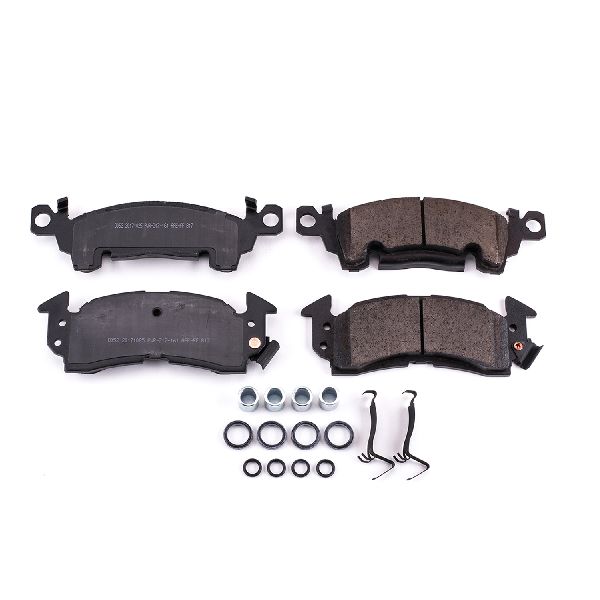
If you want a more aggressive bite and improved stopping power, these brands are an excellent upgrade. Hawk Performance pads offer a significant increase in friction for better performance. EBC Brakes provides different compounds for various uses, from daily driving to more spirited applications. PowerStop often sells complete kits with pads and rotors, which can be a convenient way to upgrade your entire braking system.
| Pad Tier | Price Range (per set, front or rear) | Best For |
|---|---|---|
| Economy | $20 - $45 | Limited use, budget-conscious repairs |
| Premium (Recommended) | $45 - $90 | Most owners, daily driving, balance of quality and price |
| Performance | $90 - $160+ | Owners wanting improved stopping power and pedal feel |
Frequently Asked Questions (FAQ)
Do I need to replace my rotors with the pads?
It is highly recommended. Your brake rotors wear down with the pads. Installing new pads on old, worn, or warped rotors can cause noise, vibration, and reduced brake performance. For best results, replace pads and rotors at the same time.
Why are my new brakes making noise?
New brakes can sometimes make noise during the "break-in" period as the pad surface mates with the rotor. However, persistent noise could be due to improper installation, missing anti-rattle clips (a known issue on the 1976-78 models), or the need for lubrication on caliper pins and contact points. Performance pads can also be slightly noisier than premium pads as a trade-off for better stopping power.
What are those clips and hardware in the box for?
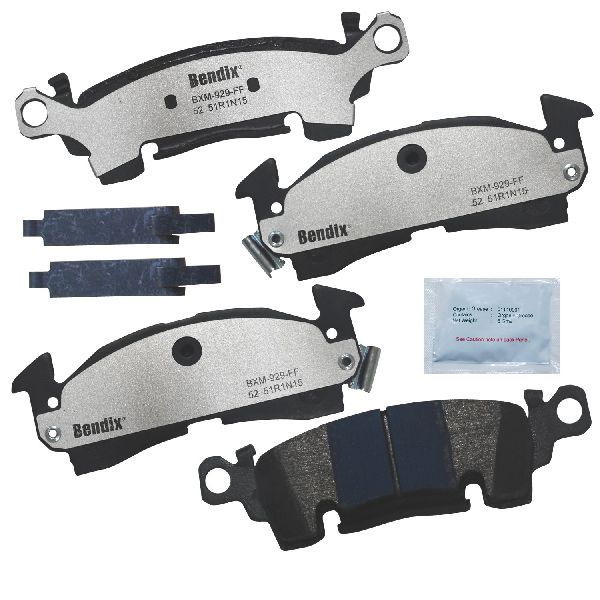
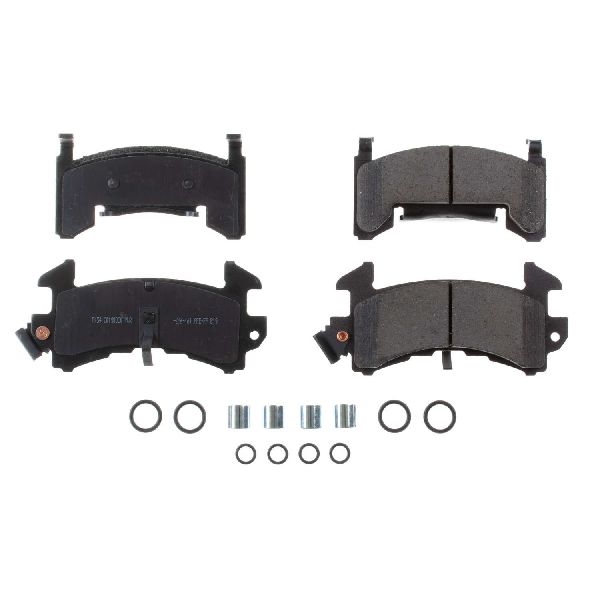
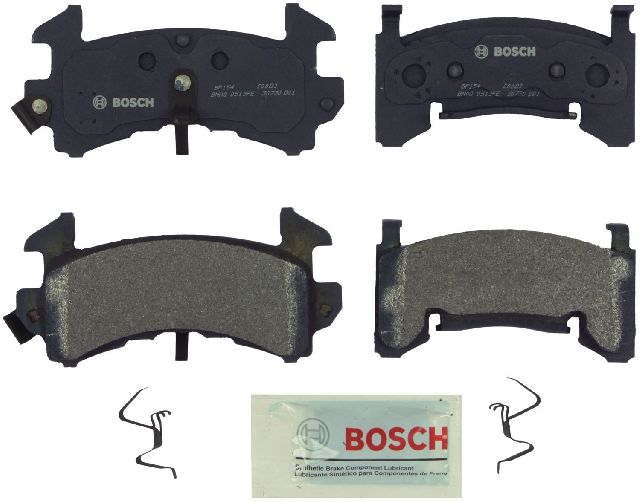
The small metal pieces included with your new pads are anti-rattle clips and hardware. It is critical to replace the old hardware with the new pieces. This hardware ensures the pads fit snugly in the caliper, preventing vibration and noise. On some Eldorado models, these clips are essential for proper function.
Were there any recalls for the brakes on these Eldorados?
Searches on the NHTSA database did not show any specific recalls for the disc brake pads themselves on the 1976-1986 models. There were recalls for other brake components on different Cadillac models from the era, but none that directly impact aftermarket pad replacement for this specific year range. Always verify your specific vehicle's VIN for any open recalls.
Technical Specifications
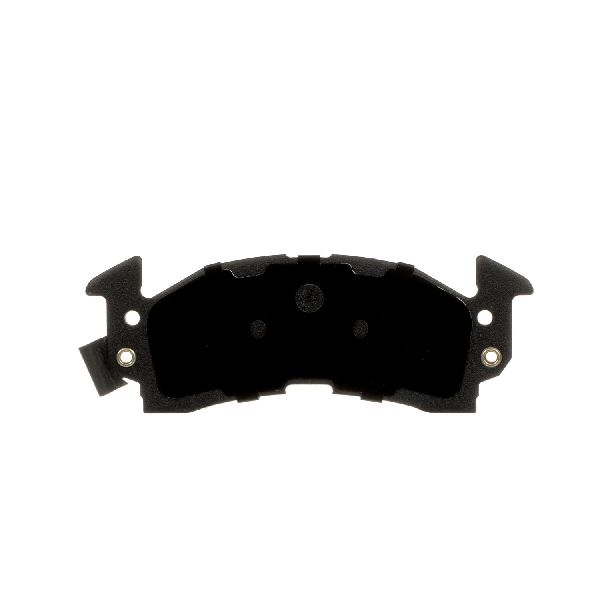
Brake pad fitment varies significantly across the 1976-1986 year range. The primary distinction is between the three generations: 1976-1978, 1979-1985, and 1986. Front and rear pads are sold as separate sets. Some 1976-1978 models had optional rear disc brakes which use a specific 'large GM' caliper. The 1979-1985 models use a different, smaller rear caliper design. The 1986 model uses different pads for both front and rear. Always use a vehicle lookup tool to confirm the exact part numbers for your specific year.
We Have This Part in Stock

The information in this article is provided for general reference and educational purposes only. Vehicle specifications, procedures, and part compatibility can vary by production date, trim level, and region. Always consult your vehicle's factory service manual and verify part numbers before purchasing or performing repairs. Safety-critical components such as airbags, seat belts, and braking systems should be installed by a qualified professional.
- 🛍️ Shop This Part
- Understanding Your Eldorado's Brakes: A Tale of Three Generations
- A Known Issue: The Rear Disc Brakes (1976-1985)
- Symptoms of Worn Disc Brake Pads
- Choosing the Right Aftermarket Brake Pads
- Ceramic vs. Semi-Metallic Pads
- Brand Tiers for Your Eldorado
- Frequently Asked Questions (FAQ)
- 🎟️ Get 5% Off