

Choosing the Right New Aftermarket Alternator for Your 1976-1986 Chevrolet Blazer
Keep your classic Blazer's battery charged and its electronics running strong with the right alternator.
- A new high-output aftermarket alternator is a smart upgrade for handling modern accessories like lights and stereos.
- Symptoms like dim lights, a dead battery, or a whining noise are clear signs your alternator may be failing.
- Replacement is a straightforward DIY job for this Blazer, typically taking about an hour with basic tools.
- When upgrading to a high-output alternator, you must also upgrade the main charge wire to a thicker gauge for safety.
Is Your Blazer's Alternator Failing?
The electrical system on the 1976-1986 K5 Blazer is simple, but the alternator is a key part. When it starts to fail, it usually gives you a few warning signs. Ignoring them can lead to a dead battery at the worst possible time.
Common Symptoms of a Bad Alternator
- Dim or Flickering Lights: Your headlights and dash lights may look dim, flicker, or get brighter as you rev the engine. This is a classic sign of unstable voltage from a failing alternator.
- Battery Warning Light: A light on your dashboard shaped like a battery (or showing 'ALT' or 'GEN') means the charging system has a problem.
- Dead Battery: If you need to jump-start your Blazer often, the alternator is likely not recharging the battery properly.
- Weird Noises: A grinding or growling sound from under the hood can point to bad bearings inside the alternator. A loud squeal can mean the drive belt is slipping.
- Slow or Failing Electronics: Power windows that move slowly or a radio that cuts out are signs that there isn't enough electrical power to go around.
Can You Drive with a Bad Alternator?
It's not recommended. A failing alternator means your truck is running only on battery power. You might make it a short distance, but the engine will die as soon as the battery runs out of juice, shutting down all power to the ignition and fuel systems.
Choosing a New Aftermarket Alternator
For a classic truck like the '76-'86 Blazer, a new aftermarket alternator is often a better choice than a stock replacement. The original Delco alternators (often 10SI or 12SI models) were reliable but had low power output, typically around 63 amps. This isn't enough for modern upgrades.
Why Upgrade to a High-Output Alternator?
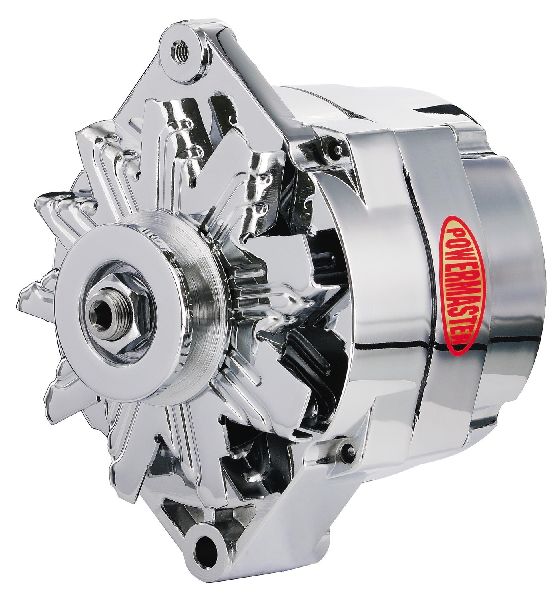
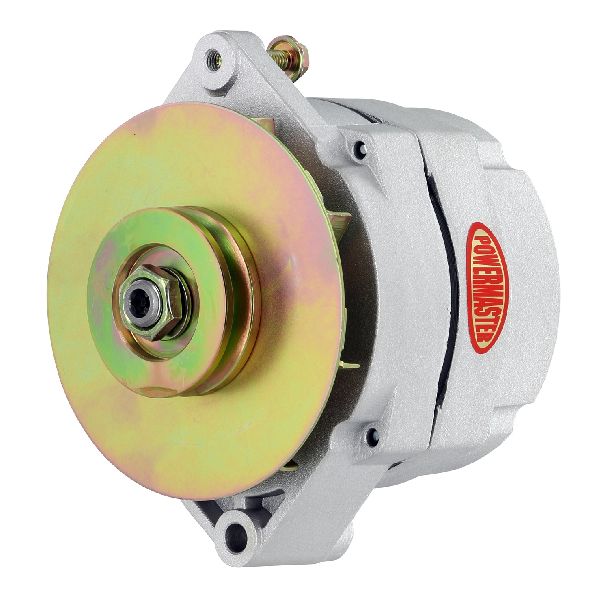
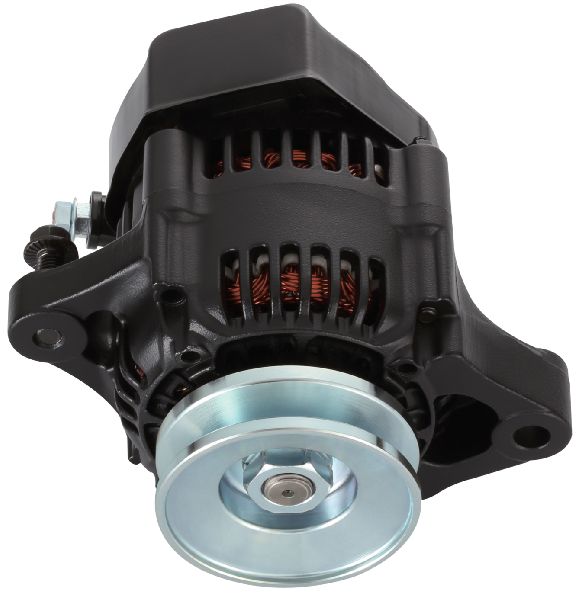
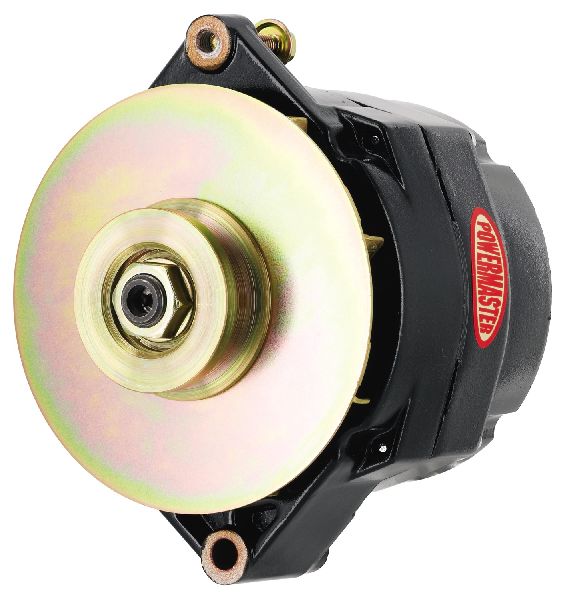
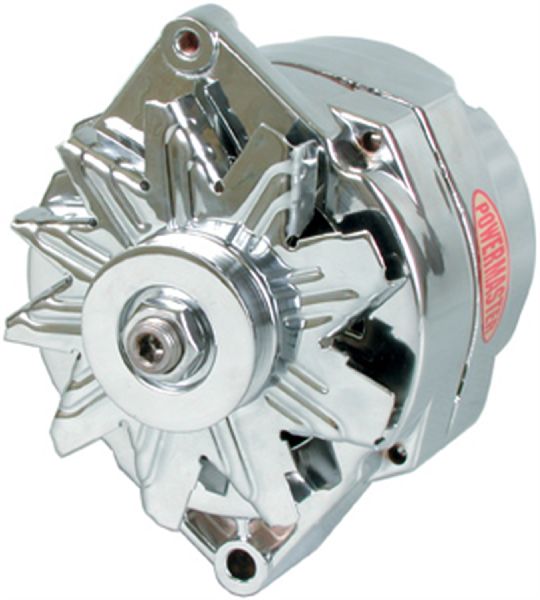
If you've added or plan to add accessories like off-road lights, a winch, a powerful stereo with an amplifier, or electric cooling fans, you need more power. A high-output alternator from a brand like Powermaster or Proform provides higher amperage (100 amps or more) to handle this extra load, especially at idle.
- Powermaster: A popular choice for high-performance applications. They are known for providing strong amperage at low engine RPMs, which is great for off-roading or city driving. Many are designed as direct replacements for the original Delco units.
- Proform: Known for easy-to-install 1-wire alternators that simplify wiring. They offer reliable power upgrades and often come in various finishes like chrome or black crinkle to customize your engine bay's look.
Pro Tip: 1-Wire vs. 3-Wire Setups
Your original Blazer has a 3-wire alternator. Many aftermarket upgrades are "1-wire," which simplifies installation by connecting just one main wire to the battery. This is a clean and popular modification. Some alternators, like certain Powermaster models, can be wired for either setup, giving you flexibility.
Estimated Replacement Costs
Replacing the alternator on this generation of Blazer is a common job. The part is accessible, and costs are reasonable.
| Part Type | Estimated Cost |
|---|---|
| New Aftermarket (High-Output) | $213 - $263 |
| Remanufactured | $70 - $250 |
| Used OEM | $40 - $80 |
| Shop Labor | $100 - $200 |
Frequently Asked Questions
Is replacing the alternator a DIY job?
Yes, for most people with basic tools. The alternator is usually on top of the engine and easy to reach. The process involves disconnecting the battery, loosening the belt, removing a few bolts and wires, and then installing the new unit. It typically takes about an hour.
Do I need to upgrade my wiring for a high-output alternator?
Yes, it is highly recommended. The factory charge wire running from the alternator to the battery was not designed for the higher amperage of an aftermarket unit. Upgrading to a thicker gauge wire (like a 4-gauge or 6-gauge wire) is crucial for safety and performance.
What is 'clock position' and does it matter?
Clock position refers to the orientation of the electrical plug on the back of the alternator case. It's important to get a replacement with the same clocking as your original part to ensure the wiring harness plugs in without stretching or interference.
Are there any recalls on the 1976-1986 Blazer alternator?
No, there are no active recalls or common Technical Service Bulletins (TSBs) from GM or the NHTSA for the alternator on this specific generation of Chevrolet Blazer.
Technical Specifications
OEM Part Numbers: 7127 334-2112A
Original Equipment was typically a Delco 10SI or 12SI style alternator with an external regulator and V-belt pulley. Standard output was around 63 amps. Aftermarket upgrades are commonly 100-150 amps and may feature a 1-wire internal regulator setup.
We Have This Part in Stock

The information in this article is provided for general reference and educational purposes only. Vehicle specifications, procedures, and part compatibility can vary by production date, trim level, and region. Always consult your vehicle's factory service manual and verify part numbers before purchasing or performing repairs. Safety-critical components such as airbags, seat belts, and braking systems should be installed by a qualified professional.
- 🛍️ Shop This Part
- Is Your Blazer's Alternator Failing?
- Common Symptoms of a Bad Alternator
- Can You Drive with a Bad Alternator?
- Choosing a New Aftermarket Alternator
- Why Upgrade to a High-Output Alternator?
- Pro Tip: 1-Wire vs. 3-Wire Setups
- Estimated Replacement Costs
- Frequently Asked Questions
- 🎟️ Get 5% Off