

Engine Water Pump Guide for the 1976-1986 Chevrolet Blazer
Keep your classic V8-powered Blazer running cool by understanding its most critical cooling system component.
- Confirm if your Blazer needs a 'long' or 'short' style water pump before ordering; it is the most critical step.
- A failing water pump gives warnings like leaks, noises, or overheating; do not ignore them to avoid severe engine damage.
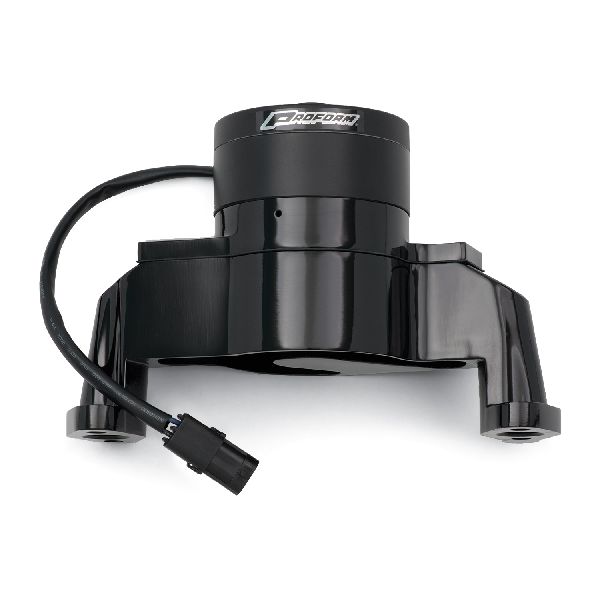
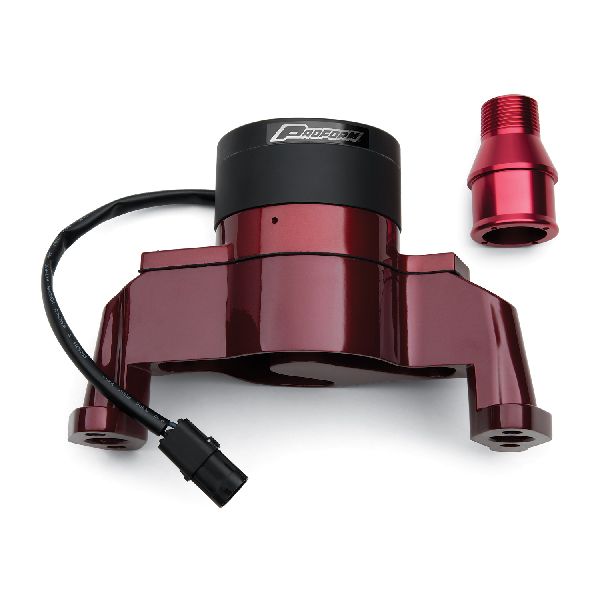
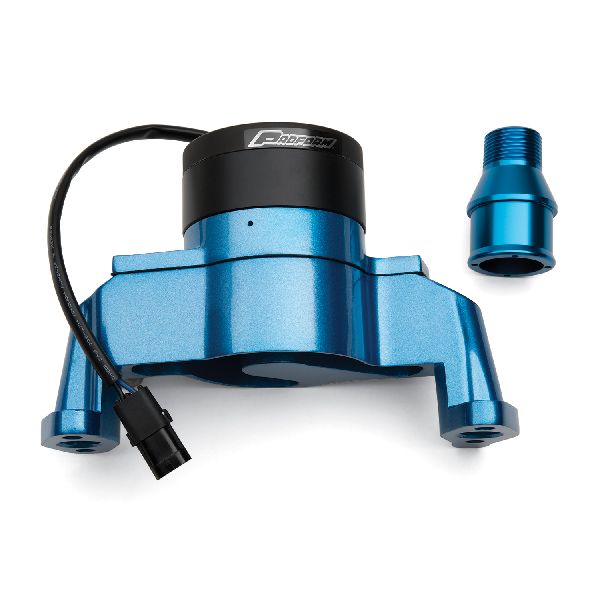
- For this vehicle, aftermarket performance brands like Edelbrock and Proform offer reliable, high-quality upgrades over standard parts.
- While replacing the water pump, it is best practice to also replace the thermostat, belts, and hoses for a complete cooling system service.
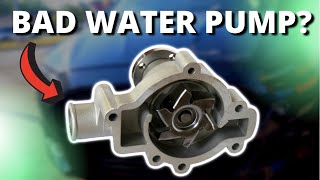
Symptoms of a Failing Water Pump
A bad water pump will give you clear warning signs before it fails completely. Ignoring them can lead to severe engine damage from overheating. Look out for these symptoms:
🎬 Watch this video to identify common signs of pump failure.- Coolant Leaks: Puddles of green, orange, or red fluid under the front-center of your Blazer are a major red flag. The internal seals of the pump can wear out, allowing coolant to leak from a small "weep hole" designed for this purpose. You might see a trail of dried, crusty residue on the front of the engine below the pump.
- Engine Overheating: If your temperature gauge is climbing higher than normal, the water pump may not be circulating coolant effectively. A failing pump can't move enough fluid to keep the engine cool, especially under load.
- Whining or Grinding Noises: A high-pitched whining sound from the front of the engine that changes with RPM can signal a problem. This is often caused by a loose pulley or, more commonly, worn-out bearings inside the water pump. You can check for this by wiggling the fan (with the engine off); any play or wobble indicates bad bearings.
- Visible Corrosion or Buildup: Pop the hood and look at the pump itself. Significant rust, flaking, or buildup around the pump body and hose connections can indicate leaks and a part that is nearing the end of its life.
Choosing the Right Aftermarket Water Pump
For a 1976-1986 Blazer, you have several great aftermarket options. Original OEM parts are likely discontinued or expensive New Old Stock (NOS), making aftermarket the practical choice. The brands available—Edelbrock, Mr. Gasket, Proform, and PRW—are primarily known for performance and appearance upgrades over standard replacements.
Aftermarket Brand Tiers
| Tier | Brands | Characteristics & Best For |
|---|---|---|
| Premium Performance | Edelbrock | Known for high-quality, USA-made components with excellent flow and durability. Often more expensive but considered a worthwhile investment for reliability and performance cooling. They are typically made of lightweight aluminum. |
| Performance & Appearance | Mr. Gasket, Proform | These brands offer a good balance of performance, looks (often polished or chrome), and value. They frequently feature lightweight aluminum construction and high-flow designs. Reviews are generally positive for Small Block Chevy applications, citing good fit and performance. |
| Value Performance | PRW | PRW offers attractively priced performance pumps. However, owner feedback is mixed, with some users reporting great results and others experiencing issues or questioning the flow ratings compared to premium brands. Often considered a budget-friendly performance option. |
Pro Tip: Short vs. Long Water Pump
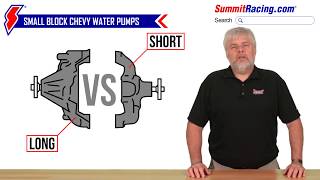
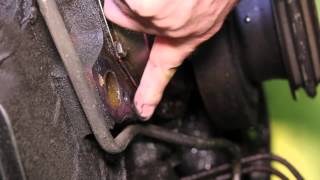
The most critical detail when ordering for your Small Block Chevy is determining if you need a "short" or "long" style water pump. Light trucks from 1973-1986 typically used the "long" style pump. The long pump measures approximately 7 inches from the engine block mounting surface to the hub face where the pulley bolts on. The short pump is about 5-5/8 inches. An easy visual check is the gap between the pump and the timing chain cover; a long pump has a wide gap of about two fingers' width. Always measure your existing pump before ordering to guarantee correct pulley alignment.
🎬 See the visual differences between long and short water pumps.Frequently Asked Questions
Do I need a high-flow water pump?
For most stock or mildly modified Blazers, a standard flow pump is adequate. However, if you tow, off-road, or have a modified V8, a high-flow pump from a brand like Edelbrock or Proform can provide better cooling under stress and is a popular upgrade. These pumps are designed to move more coolant at lower RPMs, helping to prevent overheating.
Should I replace anything else with the water pump?
Yes. It is highly recommended to replace the thermostat, radiator hoses, heater hoses, and drive belts at the same time. These components are relatively inexpensive and you're already working in the area. This ensures the entire cooling system is refreshed and reduces the chance of another failure soon. Many people also replace the fan clutch if it shows signs of wear.
What's the difference between a cast iron and an aluminum water pump?
Original pumps were heavy cast iron. Most aftermarket performance pumps are aluminum. Aluminum pumps are much lighter, which is a small benefit for performance, and they dissipate heat slightly better. The performance brands listed (Edelbrock, Mr. Gasket, Proform, PRW) primarily offer aluminum pumps.
Is replacing the water pump a DIY job?
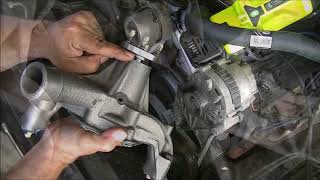
For a 1976-1986 Blazer with a V8, this is a very feasible DIY project for someone with basic mechanical skills and tools. The process involves draining the coolant, removing the fan shroud and fan, loosening the belts, and unbolting the pump. Access is generally good on these classic trucks.
🎬 Follow this step-by-step guide to replace your Blazer's water pump.Helpful Videos
Technical Specifications
For most 1976-1986 Chevrolet Blazers with a Small Block V8, the correct part is a 'long' style, standard rotation water pump. The key measurement is the distance from the block mounting surface to the pulley flange, which is approximately 7 inches for the long pump. The shaft pilot diameter is typically 5/8-inch.
We Have This Part in Stock

The information in this article is provided for general reference and educational purposes only. Vehicle specifications, procedures, and part compatibility can vary by production date, trim level, and region. Always consult your vehicle's factory service manual and verify part numbers before purchasing or performing repairs. Safety-critical components such as airbags, seat belts, and braking systems should be installed by a qualified professional.