

Spark Plug Guide for the 1976-1986 Chevrolet Blazer
Keep your classic Blazer's engine firing on all cylinders with the right set of spark plugs.
- For this Blazer, standard copper spark plugs from ACDelco (like the R45TS) or Autolite are excellent, affordable choices.
- You do not need expensive iridium or platinum plugs; they offer little to no benefit for these carbureted engines.
- Symptoms of failure include rough idle, poor acceleration, and decreased gas mileage.
- Always check the spark plug gap before installation; it should typically be 0.035" or 0.045" for V8s, but verify for your specific engine.
Signs of Failing Spark Plugs in Your Blazer
Worn-out spark plugs can cause a number of noticeable issues. Because the engines in these classic Blazers are relatively simple, you can often feel when something is 'off'. If you experience any of these symptoms, your spark plugs are a good and inexpensive place to start your diagnosis.
- Rough Idle: Your Blazer may shake or sputter when it's running but not moving. This can be caused by a cylinder misfiring due to a bad plug.
- Hard Starting: If the engine cranks for a long time before it starts, weak or fouled plugs could be the culprit.
- Engine Misfires: You might feel a hesitation or stumble from the engine during acceleration. This is a common sign that one or more plugs aren't firing correctly.
- Reduced Fuel Economy: When plugs are not firing efficiently, your engine wastes fuel, and you'll notice you're filling up the tank more often.
- Poor Acceleration: A sluggish or unresponsive feeling when you press the gas pedal can be a sign of worn plugs that can't keep up with the engine's demands.
OEM vs. Aftermarket Spark Plugs
For a 1976-1986 Chevrolet Blazer, the distinction between OEM (Original Equipment Manufacturer) and aftermarket quality is less of a concern than with modern vehicles. ACDelco was the original supplier for GM and is still considered a top choice for a stock or lightly modified engine. However, quality aftermarket brands like Autolite and NGK offer excellent, reliable alternatives that often meet or exceed original specifications. For these trucks, you don't need expensive iridium or double platinum plugs; a standard copper or conventional plug from a reputable brand will perform very well. The most important factor is choosing the correct plug with the proper heat range and gap for your specific engine.
Choosing the Right Aftermarket Spark Plug
With several brands available, here’s a breakdown to help you choose:
- ACDelco: Often considered the go-to choice for a factory-correct part. The ACDelco R45TS is a commonly recommended conventional plug for Chevy V8s of this era, known for its reliability and consistent performance. They are a safe bet for any stock Blazer.
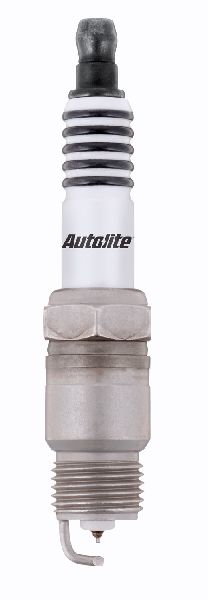
- Autolite: A well-regarded brand that offers dependable performance. Some users report that Autolite plugs can be more resistant to fouling in older engines that might burn a little oil. Their standard copper and platinum plugs are solid, affordable options.
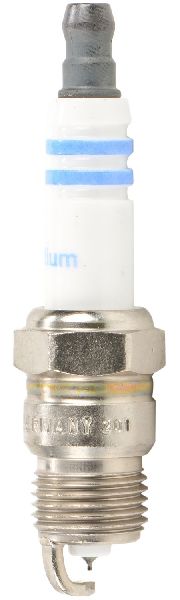
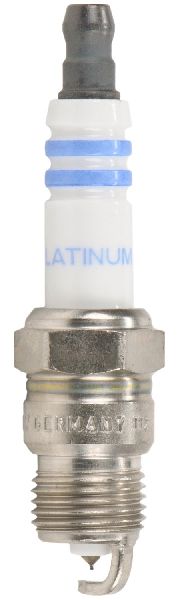
- Bosch: While a major player in the spark plug market, some classic Chevy owners have had mixed experiences with Bosch platinum plugs. However, their standard copper plugs are generally considered reliable. It's often recommended to stick with American or Japanese brands like ACDelco, Autolite, or NGK for these particular engines.
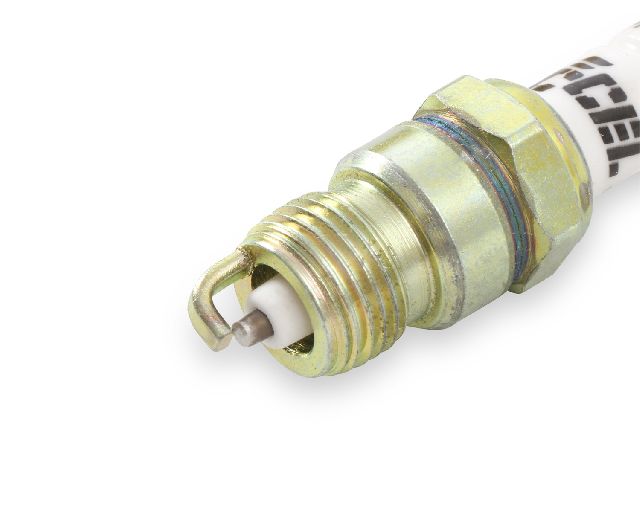
- Accel: Known more for performance applications, Accel offers plugs that can be a good choice if you have engine modifications like an aftermarket intake or headers. They also offer "shorty" plugs which can provide more clearance around exhaust manifolds.
Aftermarket Spark Plug Cost (1976-1986 Chevrolet Blazer)
| Tier | Price Range (per plug) | Brands | Best For |
|---|---|---|---|
| Standard / Conventional | $4.15 - $8.00 | ACDelco, Autolite, NGK | Stock daily drivers and general use. Provides reliable performance. |
| Performance / Specialty | $8.00 - $96.59 | Accel, NGK Iridium, Bosch | Modified engines or owners seeking longer life, though often unnecessary for this vehicle. |
Frequently Asked Questions (FAQ)
What is the correct spark plug gap for my Blazer?
The correct spark plug gap can vary depending on the engine and ignition system (HEI or points). For V8 engines, a common gap is 0.035" or 0.045". Always verify the specific requirement for your year and engine, which is often found on an emissions sticker under the hood or in a service manual.
Do I need special platinum or iridium spark plugs?
No, for most 1976-1986 Blazers, standard copper core spark plugs from a quality brand like ACDelco or Autolite are more than sufficient. These engines were not designed for the fine-wire precious metal plugs, and you are unlikely to see any performance benefit to justify the extra cost.
How often should I change the spark plugs?
For conventional spark plugs in this era of vehicle, a good rule of thumb is to inspect them every 15,000 miles and replace them every 30,000 miles, or sooner if you notice performance issues. Regular changes are cheap insurance against poor performance and fuel economy.
Is it hard to change the spark plugs on a 1976-1986 Blazer?
For the most part, no. The job is straightforward for a DIY mechanic with basic tools. Most plugs are easily accessible. However, on some models, the driver's side plugs, particularly the one near the steering shaft, can be tricky to reach. A good socket set with extensions and a swivel adapter is highly recommended.
Technical Specifications
OEM Part Numbers: R45TS R43TS
Engine and year determine the exact spark plug. Most V8 models use a 14mm thread, tapered seat, and a gap of either 0.035" or 0.045". The 250ci inline-6 may use a different plug. Always confirm the part number for your specific engine.
We Have This Part in Stock


The information in this article is provided for general reference and educational purposes only. Vehicle specifications, procedures, and part compatibility can vary by production date, trim level, and region. Always consult your vehicle's factory service manual and verify part numbers before purchasing or performing repairs. Safety-critical components such as airbags, seat belts, and braking systems should be installed by a qualified professional.