

Chevrolet Impala Ignition Coil Guide for 1976-1986 Models
Keep your classic Impala running strong by understanding and choosing the right ignition coil for your needs.
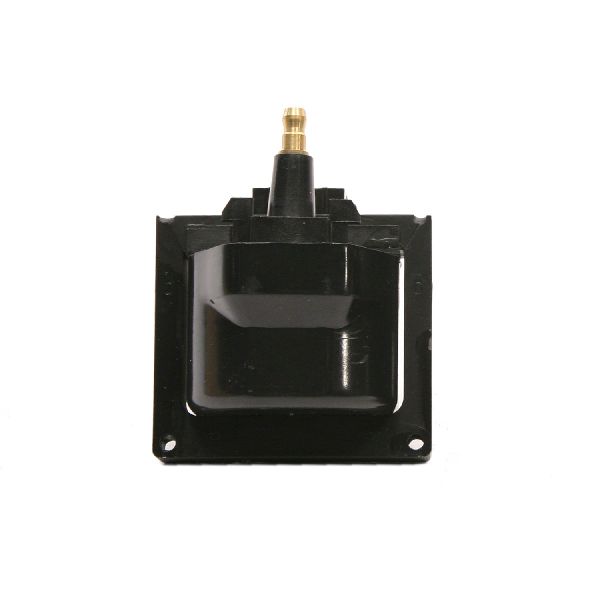
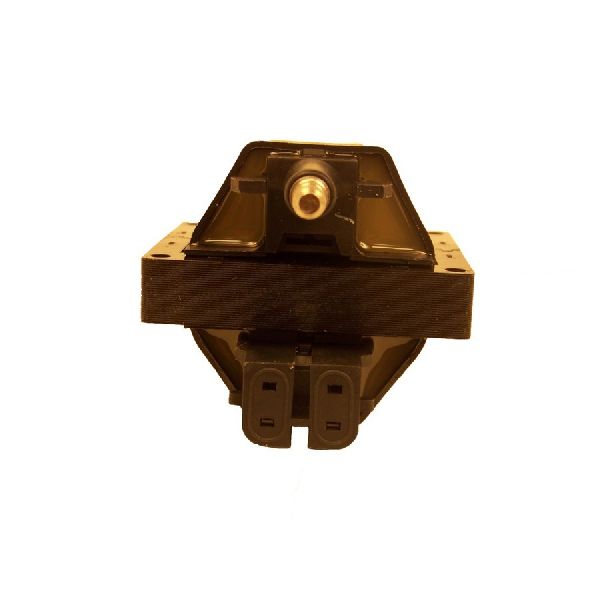
- Most 1976-1986 Impalas use an HEI distributor with the ignition coil located inside the cap.
- A no-start condition, stalling, and rough running are the most common symptoms of a failed coil.
- For most owners, a quality standard replacement from a brand like Delphi or Standard Ignition is the best choice.
- Replacing the distributor cap and rotor at the same time as the coil is highly recommended.
Understanding Your Impala's Ignition Coil
The 1976-1986 Chevrolet Impala relies on a single ignition coil to power the engine. Most models from this era use a General Motors High Energy Ignition (HEI) distributor, which has the ignition coil conveniently located within the distributor cap itself. This design is generally reliable, but heat and age can cause the coil to fail. When it does, your engine won't get the spark it needs to run properly, or at all.
Symptoms of a Failing Ignition Coil
A bad ignition coil on your Impala will make itself known through poor engine performance. Because there's only one coil, any problem with it affects the entire engine. You'll likely notice one or more of these signs:
- No-Start or Hard Starting: The most common symptom is an engine that cranks but won't start, or takes a long time to fire up. This happens because there's not enough voltage to create a spark.
- Engine Stalling: The car may start and run for a short time, then suddenly die. This often happens as the coil gets hot and fails internally.
- Misfiring and Rough Idle: You may hear the engine coughing or sputtering, and feel a rough vibration, especially at idle or low speeds.
- Reduced Power and Poor Fuel Economy: With a weak spark, your Impala will feel sluggish during acceleration and use more fuel than normal.
- Backfiring: Loud popping sounds from the exhaust can occur when unburned fuel enters the exhaust system because of a lack of spark.
A Common Failure Point
On HEI distributors, it's common for the coil to overheat and melt internally. When you replace the coil, it's also a good time to inspect the ignition control module located underneath it, as a failing coil can damage the module.
Choosing the Right Aftermarket Ignition Coil
When shopping for a new coil, you'll find several options. For a daily driver, a quality standard replacement is all you need. If you have a modified engine or want extra reliability, a performance coil is a good choice.
Brand Tiers for Your Impala:
- Performance Brands (MSD, Accel, Proform): These brands are well-known in the racing and performance world. MSD is often considered a top choice for modified engines, offering high voltage and reliability. Accel is another popular performance option. These are great for engines with other upgrades but may be overkill for a stock vehicle.
- OEM-Quality Brands (Delphi, Standard Ignition, NGK, Hitachi): These brands aim to meet or exceed original factory specifications. Delphi is a major OE manufacturer and is known for high-quality components and rigorous testing. Standard Motor Products (SMP) has a long history as a quality aftermarket supplier. An NGK or Hitachi coil is also a solid, reliable choice.
- Value Brands (DriveWire, Spectra, WAI Global, etc.): These brands offer a more budget-friendly option. While they can get your car back on the road, their long-term durability and performance may not match the higher-tiered brands.
Pro Tip: For a stock or lightly modified 1976-1986 Impala, a coil from an OEM-quality brand like Delphi or Standard Ignition offers the best balance of price, reliability, and performance.
| Part Type | Estimated Cost |
|---|---|
| New Aftermarket (Value) | $21 - $45 |
| New Aftermarket (OEM-Quality/Performance) | $45 - $152 |
| Shop Labor for Installation | $75 - $150 |
Frequently Asked Questions (FAQ)
Do I need a special "performance" coil for my Impala?
For a stock engine, a high-quality standard replacement coil is sufficient. Performance coils from brands like MSD or Accel deliver higher voltage, which can be beneficial if you have other engine modifications like a high-performance camshaft or carburetor, but they are not necessary for a standard setup.
Is it hard to replace the ignition coil on a '76-'86 Impala?
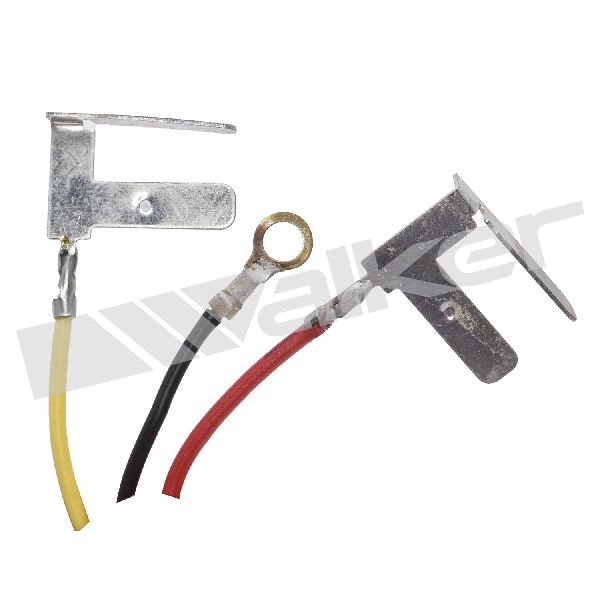
No, it is a relatively simple job for a DIY mechanic. On most of these models with an HEI distributor, the coil is inside the cap. You'll need to remove the distributor cap, disconnect a few wires, and undo the two screws holding the coil in place. The whole process usually takes less than an hour with basic hand tools.
Should I replace anything else with the ignition coil?
It is highly recommended to also replace the distributor cap and rotor while you are replacing the in-cap coil. These parts wear out over time and are inexpensive. Also, inspect the ignition control module under the coil for any signs of damage. A failing coil can sometimes damage the module.
What is the difference between an in-cap coil and an external canister coil?
Most 1976-1986 Impalas have the coil integrated inside the large HEI distributor cap for a compact, weather-resistant design. Some very early models in this range or cars with older ignition systems might have a separate, canister-shaped coil mounted elsewhere in the engine bay. Be sure to check which type your car has before ordering a part.
Technical Specifications
OEM Part Numbers: D504A 1977433 1987714
Most models in this year range use an in-cap, E-core or traditional HEI-style ignition coil. It is crucial to verify if your vehicle has the common HEI in-cap coil or a less common external canister-style coil before purchasing.
We Have This Part in Stock


The information in this article is provided for general reference and educational purposes only. Vehicle specifications, procedures, and part compatibility can vary by production date, trim level, and region. Always consult your vehicle's factory service manual and verify part numbers before purchasing or performing repairs. Safety-critical components such as airbags, seat belts, and braking systems should be installed by a qualified professional.