

Choosing the Right Distributor for Your 1976-1986 Ford LTD
A complete guide to selecting a new aftermarket distributor to keep your classic Ford running strong.
- Upgrading from an old points-style distributor to an electronic unit (like Pertronix or MSD) is a major reliability improvement.
- Symptoms of failure include misfires, rough idle, hard starting, and even engine backfiring.
- You MUST match the distributor gear material (iron vs. steel) to your engine's camshaft type to avoid severe engine damage.
- No recalls or specific TSBs were found for the distributor itself, but be aware of TFI module failures on 1983-1986 models which can cause stalling.
Is Your Ford LTD's Distributor Failing?
A distributor is a wear-and-tear part. The spinning rotor and cap contacts eventually wear out, and internal components like the shaft bushings or pickup coil can fail. If you notice any of the following symptoms, your distributor could be the culprit.
- Engine Misfires or Stumbling: The engine may hesitate, jerk, or struggle, especially when you accelerate. This happens when spark isn't delivered consistently.
- Rough or Shaky Idle: An engine that shakes or idles unevenly could be suffering from inconsistent spark timing.
- Hard Starting or No-Start: A bad distributor can prevent the engine from starting at all, or make it turn over for a long time before it fires.
- Squealing or Chirping Noises: Unusual noises from the engine bay can sometimes be traced back to a worn-out distributor shaft or bushings.
- Check Engine Light: On later models with more advanced computers, a persistent misfire caused by the distributor can trigger the check engine light.
A Note on TFI Modules (1983-1986)
Many Fords from this era, including the LTD, used a Thick Film Ignition (TFI) module mounted on the distributor. These were known to fail from heat, causing the engine to stall suddenly when hot and then restart after cooling down. If you have these specific symptoms, the TFI module itself may be the problem, not the entire distributor.
Choosing the Right Aftermarket Distributor
For a vehicle of this age, new OEM Ford distributors are generally not available. The aftermarket offers everything from standard replacements to significant performance upgrades. Your choice depends on your engine, your budget, and your goals.
Standard Replacement Brands
These brands offer distributors that are designed to meet or exceed original factory specifications. They are a good choice for a daily driver or a stock restoration.
- Cardone: Cardone offers both new and remanufactured distributors. They are a widely available, budget-friendly option. However, some users report inconsistent quality with remanufactured parts, sometimes requiring replacement of components like the included ignition module or condenser soon after installation.
- WAI Global: WAI Global is another large aftermarket manufacturer producing distributors designed to be direct OE-quality replacements. They are generally considered a standard, reliable choice for stock applications, though like any mass-produced part, occasional defects can occur.
Performance & Upgrade Brands
If you're looking for improved reliability, smoother performance, and a stronger spark, upgrading your ignition is a popular choice. This is especially true if your LTD still has an older points-style system.
- Pertronix: Pertronix is famous for its Ignitor kits that convert points distributors to maintenance-free electronic ignition. They also sell complete "Stock Look" and Billet distributors with their electronic modules pre-installed. This is a very popular and reliable upgrade that eliminates the need to adjust points, providing a more consistent spark.
- MSD: MSD is a top name in performance ignitions. Their "Ready-to-Run" distributors are a popular all-in-one upgrade that combines the distributor and ignition module, requiring just a few wire connections. For more serious performance builds, their Pro-Billet distributors are a top choice but require a separate MSD ignition control box to function.
- FAST (Fuel Air Spark Technology): FAST is a high-end performance brand. While they offer some conversion kits, they are better known for advanced, programmable ignition systems aimed at racing or heavily modified street cars. This would be considered an advanced upgrade for a classic LTD.
Pro Tip: Points vs. Electronic
If your LTD has its original points-style distributor, upgrading to a complete electronic distributor from a brand like Pertronix or MSD is one of the best reliability improvements you can make. It provides a stronger, more consistent spark, eliminates maintenance of points and condensers, and often improves starting and idle quality.
Distributor Replacement Cost for 1976-1986 Ford LTD
| Part Type | Estimated Cost |
|---|---|
| New Aftermarket | $96 - $743 |
| Remanufactured Aftermarket | $50 - $150 |
| Shop Labor | $100 - $250 |
Cost estimates are based on a range of available products and standard labor rates. Prices can vary by location and specific product chosen.
Frequently Asked Questions
Do I need to upgrade to an electronic distributor?
While a properly maintained points system works fine, an electronic distributor is a 'set it and forget it' upgrade. It offers better reliability, a more consistent spark, and eliminates the need for regular adjustments. For most owners, it is a worthwhile improvement.
What is the difference between a vacuum and mechanical advance?
The distributor adjusts ignition timing based on engine speed and load. The mechanical advance (weights and springs inside the distributor) advances timing as engine RPM increases. The vacuum advance (a canister on the side) advances timing based on engine vacuum, which improves fuel economy and part-throttle response. Both are crucial for proper engine performance.
Do I need a special gear for my new distributor?
Yes, this is critical. The distributor gear must be compatible with your engine's camshaft. Most 1976-1986 LTDs with stock flat-tappet camshafts use a cast iron gear. However, if you have a later model with a roller camshaft or have installed an aftermarket roller cam, you MUST use a steel or composite gear to prevent rapid wear and engine damage. Always check the requirements of your new distributor and camshaft.
Is replacing a distributor a difficult job?
For a mechanically inclined person, it is a straightforward job that takes 1-2 hours. The most important steps are to set the engine to Top Dead Center (TDC) on the #1 cylinder before removal and to mark the position of the old distributor. This makes installing and timing the new one much easier.
Technical Specifications
Ignition Type (Points vs. Electronic), Advance Type (Vacuum and Mechanical), Distributor Gear Material (Cast Iron or Steel)
We Have This Part in Stock
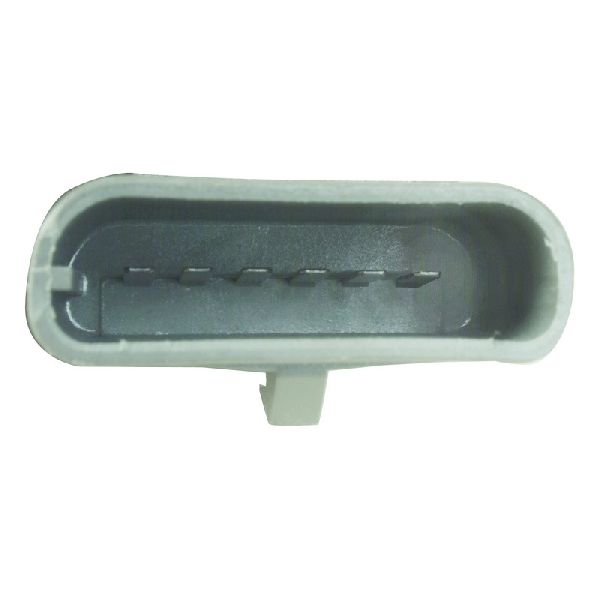
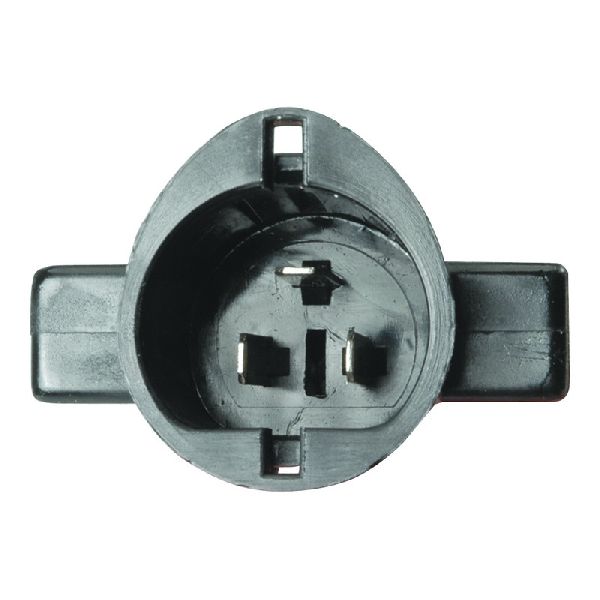
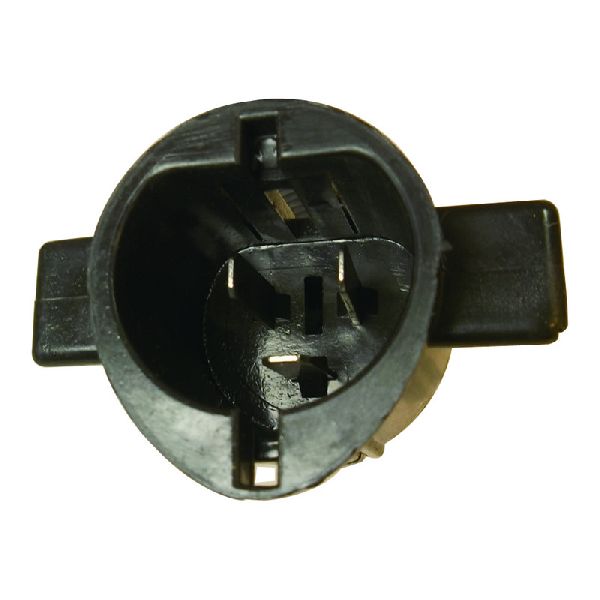
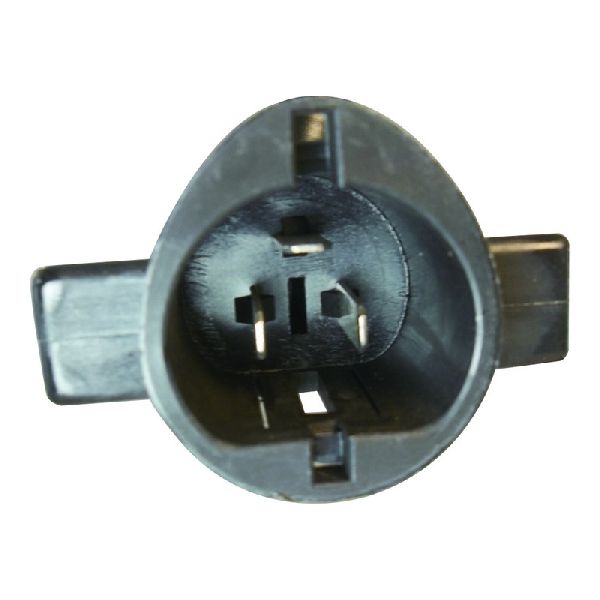

The information in this article is provided for general reference and educational purposes only. Vehicle specifications, procedures, and part compatibility can vary by production date, trim level, and region. Always consult your vehicle's factory service manual and verify part numbers before purchasing or performing repairs. Safety-critical components such as airbags, seat belts, and braking systems should be installed by a qualified professional.
- 🛍️ Shop This Part
- Is Your Ford LTD's Distributor Failing?
- A Note on TFI Modules (1983-1986)
- Choosing the Right Aftermarket Distributor
- Standard Replacement Brands
- Performance & Upgrade Brands
- Pro Tip: Points vs. Electronic
- Distributor Replacement Cost for 1976-1986 Ford LTD
- Frequently Asked Questions
- 🎟️ Get 5% Off