

Ford LTD Electric Fuel Pump Guide: 1976-1986 Models
Choosing the right electric fuel pump for your LTD depends entirely on your engine's fuel system.
- First, confirm if your LTD is carbureted (low-pressure, external pump) or fuel-injected (high-pressure, in-tank pump). This is the most critical step.
- For maximum reliability, choose a premium aftermarket brand like Bosch or Delphi.
- When replacing an in-tank pump, always install a new fuel strainer or, preferably, the entire pump module assembly.
- Be aware of the 2007 NHTSA recall (07E064000) on older aftermarket pumps, which highlights the risk of fuel leaks from low-quality parts.
Is Your 1976-1986 Ford LTD Carbureted or Fuel Injected?
Before you shop, you must know your fuel system. This is the most common mistake owners make. The 1976-1986 production run spanned Ford's transition from carburetors to electronic fuel injection (EFI).
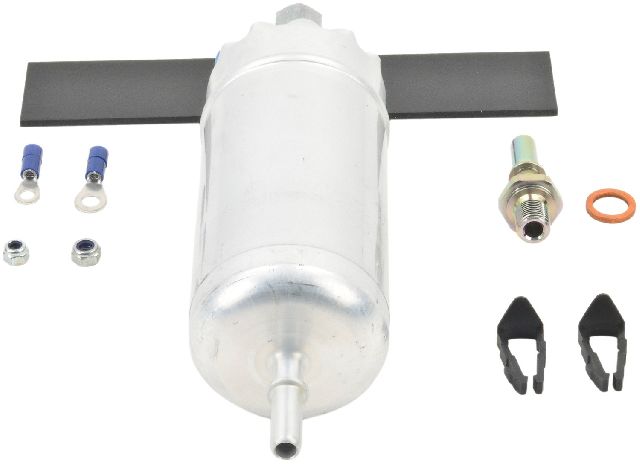
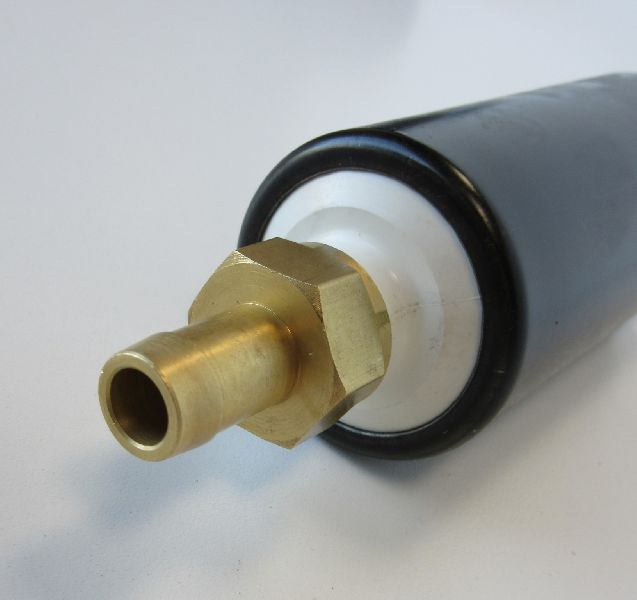
- Carbureted Engines (Primarily 1976-1982, some later models): These engines use a low-pressure fuel pump. Some may have a mechanical pump on the engine block, but many use a simple, universal-style electric pump mounted on the frame rail. These pumps operate at a low pressure, typically between 4 and 7 PSI.
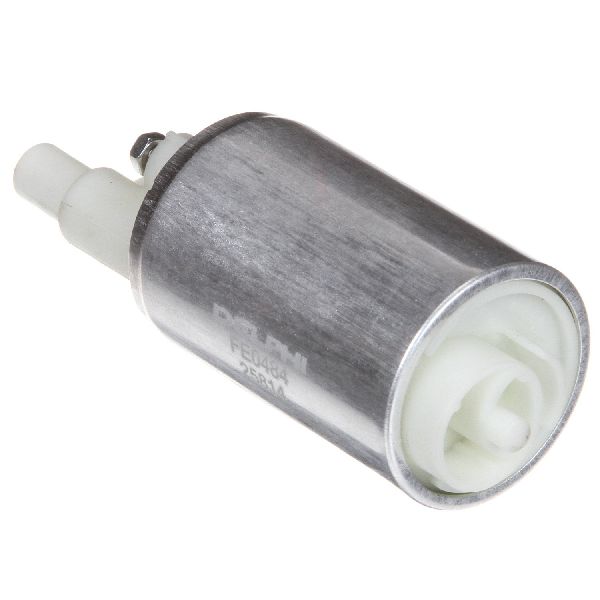
- Fuel Injected Engines (Primarily 1983-1986 5.0L V8): These models use a high-pressure, in-tank electric fuel pump as part of a larger assembly or module. These pumps operate at a much higher pressure, around 35-45 PSI, to feed the fuel injectors correctly.
Pro Tip: If you are unsure, check your engine. A carburetor is a mechanical device that sits on top of the engine's intake manifold. A fuel-injected engine will have individual fuel injectors and a fuel rail instead.
Symptoms of a Failing Fuel Pump
A weak fuel pump gives clear warning signs. Ignoring them can leave you stranded.
- Engine Sputtering or Hesitation: The car may sputter or hesitate when you accelerate, especially under load like climbing a hill.
- Difficulty Starting: The engine may take longer than usual to crank and start. In some cases, it might start and then immediately stall.
- Loss of Power: The vehicle feels sluggish and unresponsive, as if it's not getting enough gas.
- Whining Noise from Fuel Tank: A noticeable high-pitched whine from the rear of the car is a classic sign of a struggling pump motor.
- Stalling: The engine may stall unexpectedly, particularly at lower speeds or when idling.
Important Aftermarket Recall Information (NHTSA 07E064000)
In 2007, a recall was issued for many aftermarket fuel pumps made by Federal-Mogul and sold under brands like Carter, NAPA, and others. These pumps, made for vehicles including the 1976-1986 LTD, had diaphragms that could leak fuel, creating a serious fire hazard. While this recall is old, it highlights the importance of choosing quality parts, as even new aftermarket components can have defects.
Choosing the Right Aftermarket Fuel Pump Brand
Not all aftermarket brands are created equal. For a critical part like a fuel pump, quality directly impacts reliability. Here’s a breakdown of available brands based on owner feedback and reputation.
Tier 1: Premium & OEM-Equivalent
These brands are widely regarded by mechanics and owners as the most reliable choices, often matching original equipment quality.
- Bosch: Consistently recommended as a top-tier, reliable brand for fuel pumps. Many consider Bosch a benchmark for quality in fuel systems.
- Delphi: Another top choice, often cited as an original equipment manufacturer (OEM) for Ford and other carmakers. Forum discussions frequently recommend sticking with Delphi or Bosch to ensure reliability.
Tier 2: Quality Standard & Specialty
These brands offer a good balance of quality and value, or serve a specific purpose.
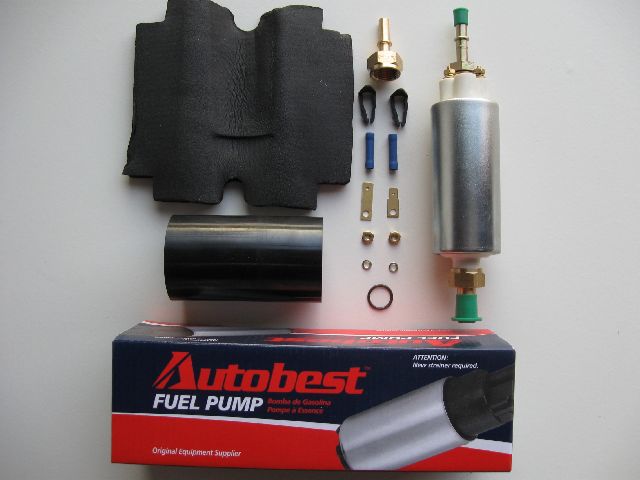
- AutoBest: Positions itself as an OE-quality supplier, with a focus on durable materials and rigorous testing. They often come with a limited lifetime warranty and receive positive user reviews for performance and value.
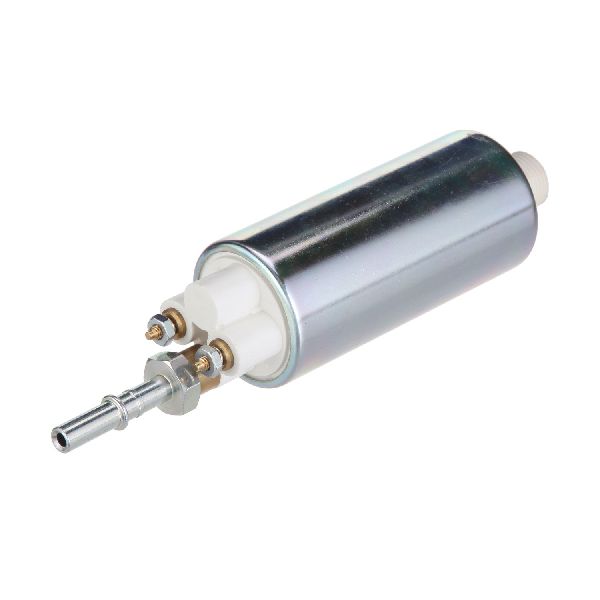
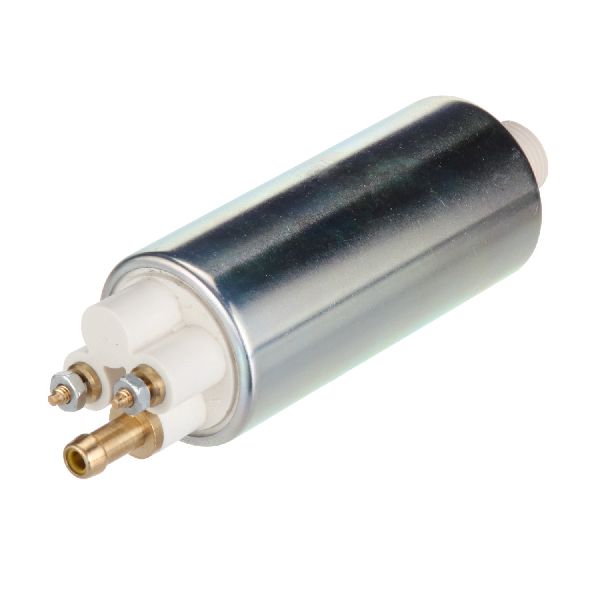
- Mr. Gasket: This brand specializes in universal electric pumps for carbureted engines. They are an excellent choice if you are converting from a mechanical pump or need to solve vapor lock issues on an older LTD. They are not direct-fit replacements for EFI models.
Tier 3: Economy & Value
These brands are more budget-friendly, but reviews can be mixed. They may be suitable for less critical applications or if budget is the primary concern.
- GMB: Known as an OEM supplier for many Japanese brands, GMB offers cost-effective pumps. However, some users have reported issues, so quality can be inconsistent.
- US Motor Works: This brand has very mixed reviews. While some users have success, others report premature failures, incorrect parts, and lower quality ratings.
Aftermarket Electric Fuel Pump Cost for 1976-1986 Ford LTD
| Part Type | Price Range | Notes |
|---|---|---|
| New Aftermarket (Value) | $43.08 - $80 | Brands like GMB or US Motor Works. Quality can be inconsistent. |
| New Aftermarket (Premium) | $80 - $139.87 | Brands like Bosch, Delphi, and AutoBest. Recommended for reliability. |
| Shop Labor | $150 - $400+ | Varies greatly. External pumps are cheaper to install. In-tank pumps require dropping the fuel tank, which is more labor-intensive. |
Frequently Asked Questions (FAQ)
Do I need an in-tank or external fuel pump?
If your LTD is a later model with fuel injection (like the 5.0L V8 from 1983-1986), you need an in-tank pump assembly. If you have an older, carbureted model, you likely need a low-pressure external pump that mounts to the vehicle's frame.
Should I replace just the pump or the whole assembly?
For in-tank pumps, it is highly recommended to replace the entire module assembly. These assemblies include the pump, sending unit for the fuel gauge, strainer, and float. A new strainer is critical for the longevity of the new pump, and replacing the whole unit prevents issues with an old, inaccurate fuel gauge sender.
What is vapor lock and can an electric pump help?
Vapor lock is when gasoline boils in the fuel line, creating vapor bubbles that block the flow of liquid fuel. It's common in older carbureted cars, especially in hot weather. An electric pump, particularly one mounted near the tank, helps by pushing fuel under pressure, which raises its boiling point and prevents vapor lock more effectively than an engine-mounted mechanical pump that sucks fuel.
Is replacing the fuel pump a DIY job?
For an external pump on a carbureted model, it is a feasible DIY job for someone with basic mechanical skills. For an in-tank pump, the job is much more difficult as it requires safely draining and removing the fuel tank. This can be dangerous and is often best left to a professional mechanic.
Technical Specifications
Fuel System Type: Carbureted or Fuel Injected (EFI) Pump Location: External Frame Mount (Carbureted) or In-Tank (EFI) Operating Pressure (Carbureted): Approx. 4-7 PSI Operating Pressure (EFI): Approx. 35-45 PSI Relevant Aftermarket Recall: NHTSA Campaign ID 07E064000
We Have This Part in Stock

The information in this article is provided for general reference and educational purposes only. Vehicle specifications, procedures, and part compatibility can vary by production date, trim level, and region. Always consult your vehicle's factory service manual and verify part numbers before purchasing or performing repairs. Safety-critical components such as airbags, seat belts, and braking systems should be installed by a qualified professional.
- 🛍️ Shop This Part
- Is Your 1976-1986 Ford LTD Carbureted or Fuel Injected?
- Symptoms of a Failing Fuel Pump
- Important Aftermarket Recall Information (NHTSA 07E064000)
- Choosing the Right Aftermarket Fuel Pump Brand
- Tier 1: Premium & OEM-Equivalent
- Tier 2: Quality Standard & Specialty
- Tier 3: Economy & Value
- Aftermarket Electric Fuel Pump Cost for 1976-1986 Ford LTD
- Frequently Asked Questions (FAQ)
- 🎟️ Get 5% Off