

Jeep CJ7 Engine Oil Pressure Sending Unit: A Guide for 1976-1986 Models
If your CJ7's oil pressure gauge is acting up, this is the first part you should suspect.
- It's a 'sending unit' for a gauge, not a 'switch' for a light. Using the right term helps find the right part.
- Before replacing, verify true oil pressure with a mechanical gauge to rule out a serious engine problem.
- Aftermarket quality varies. Standard Ignition (SMP) is a trusted electrical brand, while Crown and Omix are common, budget-friendly choices for Jeeps.
- Mismatched senders and gauges will cause incorrect readings. Ensure the part you buy is compatible with your specific year and gauge.
Is Your CJ7 Oil Pressure Gauge Unreliable?

A common complaint among Jeep CJ7 owners is an oil pressure gauge that gives confusing readings. The needle might flicker, drop to zero unexpectedly, or be pegged all the way to the right. While this is alarming, the cause is often a failed engine oil pressure sending unit, not a serious internal engine problem. These senders are a known failure point on older Jeeps. This guide will walk you through understanding the symptoms, choosing the right aftermarket part, and what to expect for the repair.
First, Verify Actual Oil Pressure
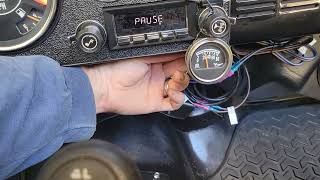
Never assume a gauge reading is wrong. Before replacing any parts, it's wise to verify your engine's true oil pressure with a mechanical test gauge. 🎬 Watch: Comparing mechanical vs electric gauge readings for accuracy. This will confirm if you have a dangerous low-pressure situation or just a faulty sender. Ignoring a real oil pressure problem can lead to catastrophic engine failure.
Symptoms of a Failing CJ7 Oil Pressure Sender

- Erratic Gauge Readings: The needle jumps around randomly or flickers constantly. This is the most common symptom.
- Gauge Pegged High or Low: The needle is stuck at zero or at the maximum reading, regardless of engine speed.
- Incorrect but Stable Reading: The gauge shows a reading that you know is too low or too high, but it doesn't move much.
- Oil Pressure Light On (if equipped): Some models may have a backup warning light in addition to the gauge. A faulty sender can trigger this light.
Choosing the Right Aftermarket Sending Unit

Finding a new OEM Mopar sending unit for a vehicle of this age is nearly impossible. The market is served almost exclusively by aftermarket brands. Quality can vary, but many provide years of reliable service. It's crucial to match the new sender to your specific gauge, as different units have different electrical resistance ranges.
Brand Quality Tiers
Based on owner feedback and general brand reputation, here is how the available brands generally stack up for Jeep electrical parts:
- Premium Aftermarket (Higher Confidence): Brands like Standard Ignition (SMP) are often considered a higher-quality choice for electrical components. They have a strong reputation for reliability and accurate performance. Rostra Powertrain is an OE supplier for many manufacturers and has high-quality standards, making them a solid choice if available.
- Standard Aftermarket (Common Choice): Crown Automotive and Omix-Ada are the go-to brands for most CJ replacement parts. They are affordable and widely available. While some owners report occasional quality control issues, they are the most common replacement and generally get the job done. For a simple sender, they are a practical option.
- Value Brands: A brand like Global Parts is typically a value-focused option. It may perform perfectly well, but has less of a track record among the CJ community compared to the Jeep-specific brands.
Check Your Connector
Before you buy, look at the sending unit on your engine. Note whether it has a single post (terminal) for the wire or a different style of connector. While most 1976-1986 CJ7s use a single-terminal sender, checking first ensures you buy the right part and avoid a return trip.
| Part Type | Price Range | Notes |
|---|---|---|
| New Aftermarket | $10.54 - $73.06 | This is the most common and practical option. Price varies by brand. |
| New OEM (Mopar) | N/A | Generally discontinued and no longer available new. |
| Used OEM | Varies | Not recommended. The part could be near the end of its service life. |
Frequently Asked Questions

Is it a switch or a sending unit?
For the 1976-1986 CJ7 with a factory oil pressure gauge, it is a sending unit. A switch is for a simple warning light, while a sending unit provides the variable signal needed for a gauge.
Where is the oil pressure sender located on a CJ7?
On the AMC inline-6 engine (258ci), it is typically located on the passenger side of the engine block, often near the dipstick. On AMC V8 engines (304ci), it is usually found near the oil filter. It's a small canister-shaped sensor with a single wire attached.
Can I replace this part myself?
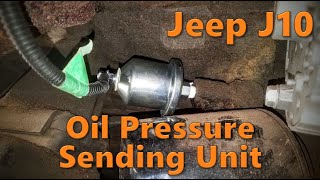
Yes, this is a very easy job for a DIY mechanic. It typically takes less than 30 minutes with basic tools. 🎬 See this walkthrough of the sending unit replacement process. The process involves disconnecting the battery, unplugging the wire, and using a wrench or special socket to unscrew the old unit and install the new one.
Why is my new sending unit still giving a weird reading?
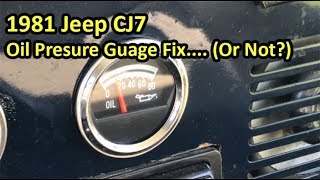
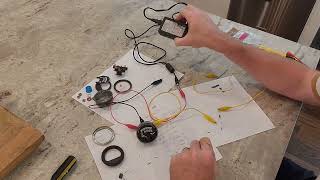
There are two common reasons. First, the new sending unit may not be electrically compatible with your original gauge; there were different versions over the years. Second, check your wiring and grounding. A poor ground connection at the gauge or a frayed wire to the sender can cause the same symptoms 🎬 Watch: A deep dive into troubleshooting and fixing the gauge itself. as a bad sender.
Are there any recalls for the CJ7 oil pressure sender?
No, there are no active recalls or common Technical Service Bulletins (TSBs) from Jeep for this part on the 1976-1986 CJ7. Any issues are due to the age and nature of the component.
Helpful Videos
Technical Specifications
OEM Part Numbers: J3212004
Operates the factory oil pressure gauge. Most models use a single-terminal, threaded-post connector. Resistance varies with pressure to operate the gauge needle.
We Have This Part in Stock


The information in this article is provided for general reference and educational purposes only. Vehicle specifications, procedures, and part compatibility can vary by production date, trim level, and region. Always consult your vehicle's factory service manual and verify part numbers before purchasing or performing repairs. Safety-critical components such as airbags, seat belts, and braking systems should be installed by a qualified professional.