

Jeep CJ7 Starter Solenoid Guide for 1976-1986 Models
Tired of that 'click-no-start' problem? Here's how to choose the right replacement starter solenoid for your CJ7.
- The most common symptom of a bad solenoid on a CJ7 is a single loud click with no engine crank.
- Always check your battery and cable connections first, as they cause similar symptoms.
- Replacement is very easy and DIY-friendly, typically taking less than 30 minutes.
- Pay close attention to the small wire terminals ('S' and 'I') to avoid incorrect installation.
Is Your CJ7's Starter Solenoid Failing?
A bad starter solenoid is a common issue on older vehicles like the CJ7, often leading to a no-start situation that can be frustrating. The most classic symptom is a single, loud 'click' when you turn the key, but the engine doesn't crank. This happens because the solenoid is engaging but failing to pass enough electricity to the starter motor. However, other issues can mimic a bad solenoid, so it's important to rule them out first.
Pro Tip: Before replacing parts, always check the basics. Ensure your battery is fully charged and the terminals are clean and tight. A weak battery or poor connections are the most common cause of starting problems and can produce a rapid clicking sound that is sometimes mistaken for a bad solenoid.
🎬 See this quick hack for a clicking but not cranking Jeep.Common Symptoms of a Bad Solenoid
- Single Loud Click, No Crank: The solenoid receives the signal but fails to send power to the starter.
- No Sound at All: The solenoid may have failed completely and isn't even trying to engage.
- Starter Keeps Running: The solenoid can get stuck in the 'on' position, causing the starter to continue running even after the engine has started. This can cause serious damage to the starter and flywheel.
- Intermittent Starting: The Jeep starts fine sometimes and fails at other times, which can point to worn internal contacts in the solenoid.
Choosing the Right Aftermarket Solenoid
For a vehicle as old as the 1976-1986 CJ7, new OEM (Original Equipment Manufacturer) parts are virtually non-existent. The market consists almost entirely of aftermarket replacements. Fortunately, this is a simple part and aftermarket versions are readily available. Your main choices will be between brands like Crown Automotive, Omix-Ada, and Standard Ignition (Standard Motor Products).
Brand Quality Insights:
- Standard Ignition (SMP): Often considered a reliable choice for electrical components. They are a long-standing aftermarket manufacturer with a reputation for quality that often meets or exceeds original specs.
- Crown Automotive: A very popular brand in the Jeep community. For many parts on an old CJ, Crown is one of the few options available. Forum discussions suggest that for simple, mechanical parts, Crown is generally considered a decent choice, better than some other low-cost brands.
- Omix-Ada: Another major player in the Jeep aftermarket. Some owners express caution with Omix electrical parts, preferring other brands when possible. However, for a simple component like a solenoid, it may perform adequately.
Given the options, Standard Ignition is often the preferred choice by mechanics for electrical parts, with Crown Automotive being a solid second option specifically for the Jeep aftermarket. Since the cost difference is minimal, opting for the brand with a better reputation for electrical parts is a wise investment.
Estimated Costs
| Part Type | Estimated Cost |
|---|---|
| New Aftermarket Solenoid | $23 - $71 |
| Shop Labor | $50 - $100 |
Known Issues, Recalls, or TSBs
Searches of the National Highway Traffic Safety Administration (NHTSA) database show no recalls specifically for the starter solenoid on the 1976-1986 Jeep CJ7. While there was a recall for an ignition module wiring issue on some 1976 models (NHTSA Campaign ID: 78V065000), it is not directly related to the solenoid itself. The primary known issues are related to normal wear and tear, corrosion from exposure, and internal contacts failing over time.
Common Mistake: A frequent error during installation is reversing the small 'S' (Start) and 'I' (Ignition) wires on the solenoid's small terminals. This can cause the starter to run continuously when the key is on. Always label your wires before disconnecting the old solenoid.
Frequently Asked Questions (FAQ)
Can I replace just the solenoid?
Yes. On the 1976-1986 CJ7, the starter solenoid is a separate component mounted on the fender wall, not directly on the starter motor. This makes it a simple, standalone part to replace.
How hard is it to replace a CJ7 starter solenoid?
This is a very easy job, suitable for any DIY mechanic. It typically involves disconnecting the battery, removing a few nuts and wires from the old solenoid, unbolting it from the fender, and installing the new one in reverse order. The entire process usually takes less than 30 minutes.
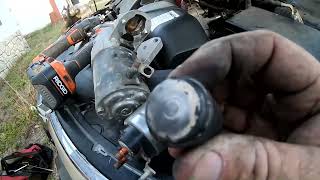
🎬 Watch: A step-by-step walkthrough of the solenoid replacement process.Is it the starter or the solenoid?
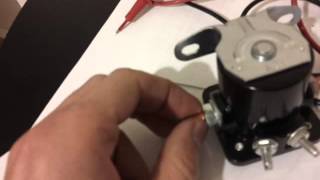
A single, loud click usually points to the solenoid. If you hear a grinding noise or the starter spins without turning the engine, the problem is more likely the starter motor itself or its drive gear. If you hear rapid clicking, the problem is most likely a weak battery or bad cable connection. You can test the solenoid by carefully bypassing it with a jumper wire 🎬 Watch: A simple guide on how to test your solenoid. to see if the starter engages. If it does, the solenoid is likely the culprit.
Do I need any special tools?
No special tools are required. A basic socket set or wrenches to remove the nuts on the terminals and mounting bolts is all you need. A wire brush for cleaning cable ends is also highly recommended.
Helpful Videos
Technical Specifications
OEM Part Numbers: J3235898
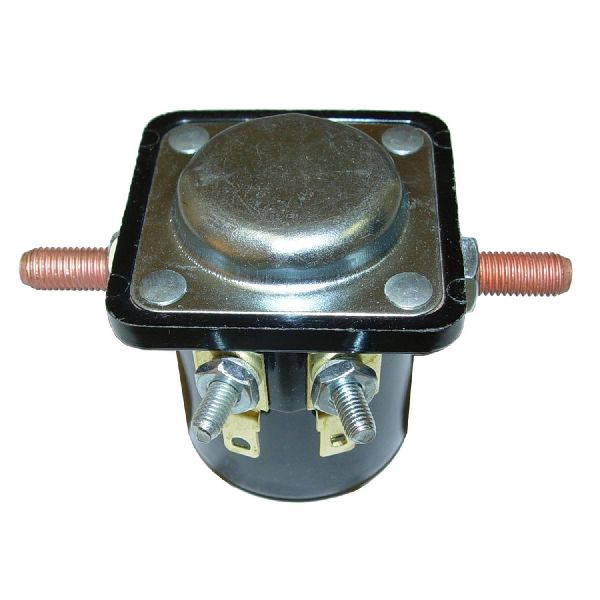
Voltage: 12V, Terminal Count: 4 (2 large posts, 2 small studs/wires)
We Have This Part in Stock


The information in this article is provided for general reference and educational purposes only. Vehicle specifications, procedures, and part compatibility can vary by production date, trim level, and region. Always consult your vehicle's factory service manual and verify part numbers before purchasing or performing repairs. Safety-critical components such as airbags, seat belts, and braking systems should be installed by a qualified professional.