

Pontiac Parisienne Universal Joint Replacement Guide (1976-1986)
Don't let a bad U-joint leave your classic Pontiac Parisienne stranded—here's what you need to know.
- Listen for clunking, squeaking, or vibrations, as these are the primary signs of a failing U-joint on your Parisienne.
- For maximum reliability, choose a premium non-greasable U-joint from a brand like Dana Spicer.
- Be prepared to use a torch to melt the factory-installed nylon retainers if you are replacing the original U-joints.
- It is strongly recommended to replace both U-joints at the same time and to have the driveshaft balanced by a shop for smooth operation.
Symptoms of a Failing Universal Joint
A worn or failing U-joint will give you several warning signs. Ignoring them can lead to a breakdown and costly repairs. Listen and feel for these common symptoms:
- Clunking or Ringing Noise: A distinct "clunk" when you shift from drive to reverse is a classic sign of a bad U-joint. This is caused by excessive play in the worn-out joint. You might also hear a ringing sound as the driveshaft resonates.
- Vibration While Driving: A vibration that you can feel through the floor or seat is a common symptom. This vibration often gets worse at highway speeds and is caused by the driveshaft spinning out of balance due to the worn joint.
- Squeaking or Chirping Noise: A rhythmic squeaking that changes with your speed, especially at low speeds (under 10 mph), usually means the U-joint's internal needle bearings have lost their lubrication and are grinding metal-on-metal.
Critical Failure Warning
If a U-joint fails completely while driving, the driveshaft can detach from the vehicle. This can cause you to lose control, damage the transmission, exhaust, and undercarriage, and leave you stranded. At the first sign of trouble, get your U-joints inspected.
Choosing the Right Aftermarket U-Joint
Original GM parts for a 1976-1986 Parisienne are long discontinued. However, the aftermarket offers a range of options. Quality varies, so it's important to choose wisely for a part this critical. Aftermarket brands can be grouped into tiers based on quality, reputation, and price.
Brand Quality Tiers
| Tier | Brands | Quality & Cost Assessment |
|---|---|---|
| Premium | Dana Spicer | Widely considered the gold standard and an original equipment supplier for many vehicles. Spicer U-joints, particularly their non-greasable "Spicer Life Series," are praised for their strength and durability. They cost more but are the top choice for reliability and performance. |
| Quality Aftermarket | SKF | SKF is a reputable bearing manufacturer that offers quality U-joints, including heavy-duty "Brute Force" options. While generally seen as a high-quality part, some professional installers prefer Spicer due to occasional tolerance issues. A very solid choice when Spicer is not available. |
| Standard / Economy | GMB, Moog | GMB is an established Japanese manufacturer that provides good value. Their parts are generally considered reliable for daily driving but may not have the ultimate strength of premium brands. Moog was once a top-tier brand, but many users report a decline in quality in recent years, with parts failing prematurely. While their "Problem Solver" line exists, their reputation for U-joints is now very mixed, making them a riskier choice. |
Pro Tip: Greasable vs. Non-Greasable
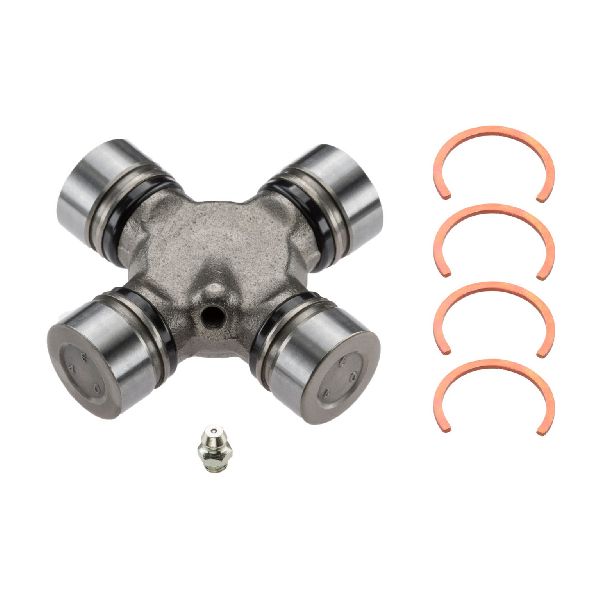
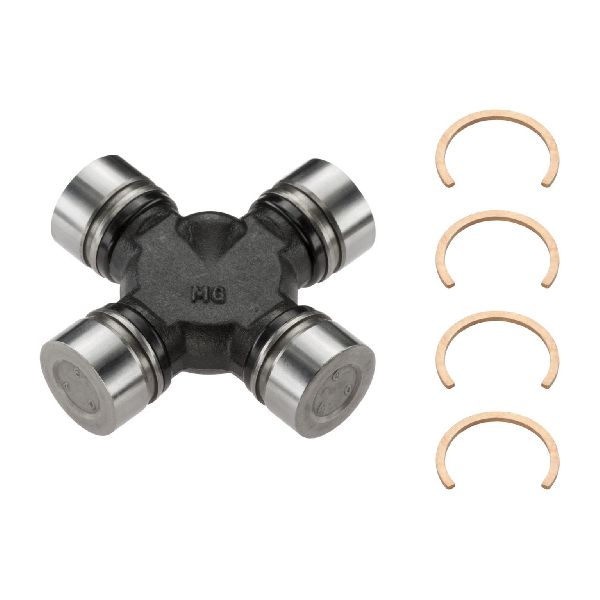
You'll see options for both greasable (with a zerk fitting for adding grease) and non-greasable (sealed) U-joints. Non-greasable joints, like the premium Spicer Life series, are often stronger because the cross isn't drilled out for a grease channel. They also feature better seals and are maintenance-free. Greasable joints can last a long time if maintained regularly, but the seals are designed to purge old grease and can let in contaminants if neglected. For a "fit and forget" solution, a high-quality non-greasable joint is often the better choice.
Known Issues & Recalls
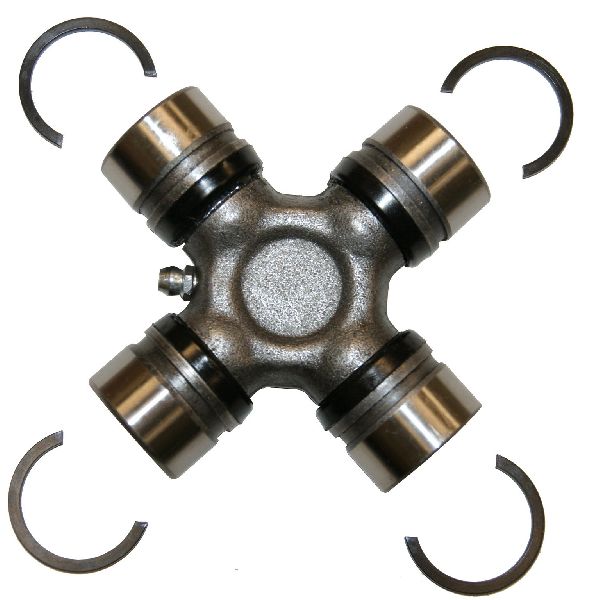
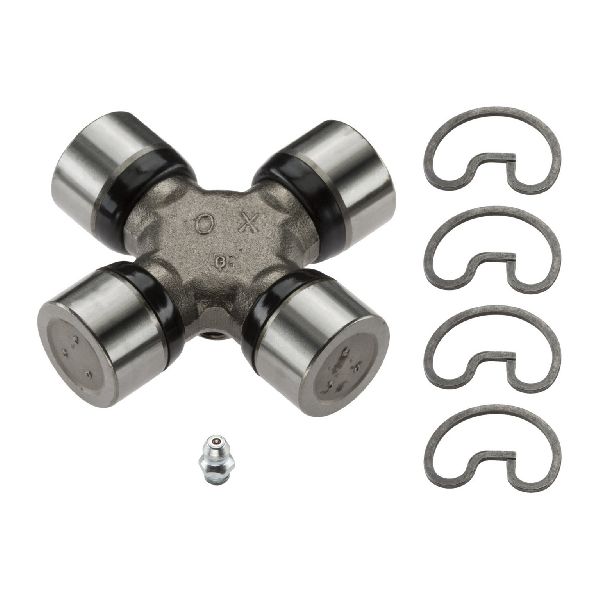
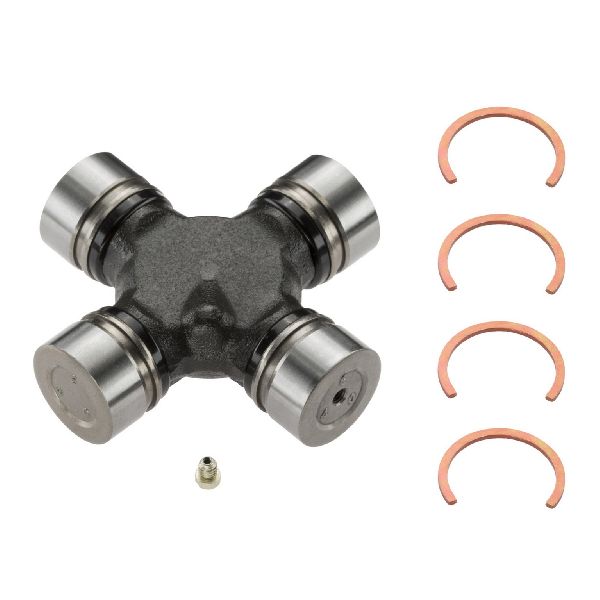
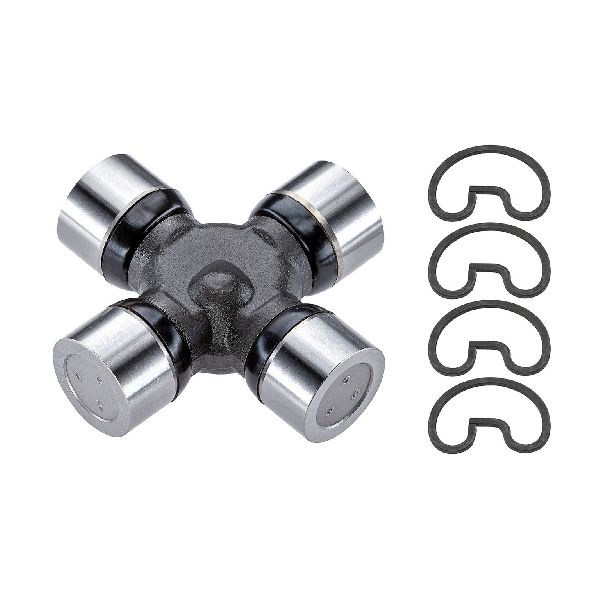
There are no specific recalls or Technical Service Bulletins (TSBs) from the NHTSA related to universal joints for the 1976-1986 Pontiac Parisienne. However, a well-known issue for GM vehicles of this era is the factory installation method. Original U-joints were often held in place with injected nylon plastic, not snap rings. To remove the original U-joint, this plastic must be melted out with a torch, which can be a surprise for first-time DIYers. After melting the plastic, the new U-joint is secured with traditional snap rings included with the replacement part.
Frequently Asked Questions (FAQ)
How many U-joints does my Parisienne have?
Most 1976-1986 Pontiac Parisiennes have a single-piece driveshaft with two universal joints—one at the transmission end and one at the rear axle (differential) end.
Should I replace both U-joints at the same time?
Yes. It is highly recommended to replace both U-joints at the same time. The driveshaft must be removed to replace either one, so you save on future labor. If one has failed due to age and mileage, the other is likely not far behind.
What is the most common mistake when ordering?
While most Parisiennes in this year range use the same U-joints, there can be variations. The most common mistake is not physically measuring the old part before ordering. It's wise to remove the old U-joint and measure the bearing cap diameter and the overall width to ensure you order the correct replacement part.
Can I replace a U-joint myself?
This job can be done at home, but it requires specific tools and mechanical ability. Due to the original nylon retainers, you will likely need a torch to melt them out. You will also need a heavy-duty bench vise, a ball joint press, or a hammer and sockets to press the old joints out and the new ones in. If you are not comfortable with this, a repair shop can perform the service.
Technical Specifications
The 1976-1986 Pontiac Parisienne typically uses two universal joints on a single-piece driveshaft. Replacement requires removing the driveshaft. Original joints may be secured with injected nylon that must be melted for removal, while aftermarket parts use snap rings.
We Have This Part in Stock

The information in this article is provided for general reference and educational purposes only. Vehicle specifications, procedures, and part compatibility can vary by production date, trim level, and region. Always consult your vehicle's factory service manual and verify part numbers before purchasing or performing repairs. Safety-critical components such as airbags, seat belts, and braking systems should be installed by a qualified professional.