

A Home Mechanic's Guide to the 1976-1988 Chevrolet Blazer Transmission Mount
Stop the clunking and shaking in your K5 Blazer by choosing the right replacement transmission mount.
- Choose a polyurethane mount (Daystar) for durability, especially for off-road or heavy use; expect slightly more vibration.
- Budget rubber mounts (Anchor, Westar) are cheap but have a reputation for poor quality and short lifespan.
- Replacement is a simple DIY job that takes about an hour with a jack and basic tools.
- While replacing the mount, inspect for oil or transmission fluid leaks, as these will destroy a new rubber mount.
Symptoms of a Failing Transmission Mount
On these classic K5 Blazers, the transmission mount is a common wear item. The original rubber breaks down from age, heat, and exposure to leaking engine oil or transmission fluid. When it fails, the symptoms are usually obvious and hard to ignore.
- Clunking or Banging Noises: This is the most common sign. You'll hear a distinct clunk or bang when you shift from Park into Drive or Reverse. It can also happen during acceleration or deceleration as the transmission lifts and slams back down.
- Excessive Vibrations: A new or worsening vibration felt in the seat, floor, or steering wheel is a tell-tale sign. Since the mount's job is to absorb vibration, you'll feel a lot more of the drivetrain's movement when it's worn out.
- Visible Drivetrain Movement: You can often see a bad mount in action. With the vehicle safely secured and the parking brake on, have a helper shift the transmission between Drive and Reverse while you (safely from the side) watch the engine and transmission. If you see the back of the transmission lifting excessively, the mount is broken.
Check for Leaks First
Engine oil and transmission fluid are the enemies of rubber mounts. They saturate the rubber, causing it to become soft, swell, and fail prematurely. When you replace your mount, inspect the area for any fluid leaks. Fixing a leaky valve cover or transmission pan gasket will ensure your new mount lasts much longer.
Choosing the Right Aftermarket Mount: Rubber vs. Polyurethane
Since original GM parts for this era are generally unavailable, you'll be choosing from aftermarket brands. The biggest decision is the material: standard rubber or a polyurethane upgrade.
Tier 1: Polyurethane Performance Mounts
Brands: Daystar, Energy Suspension
Polyurethane mounts are a significant upgrade in durability and are highly recommended for Blazers that see off-road use, towing, or have modified engines. The material is much stronger than rubber and is resistant to oil and other vehicle fluids. Many feature an interlocking metal design for added safety, preventing total separation even if the material fails. The main trade-off is a noticeable increase in vibration inside the cab, as the stiffer material transmits more of the drivetrain's natural vibrations.
Pro Tip: Polyurethane is the best choice for longevity and performance, especially if your Blazer is more than just a street cruiser. The extra vibration is a small price to pay for a mount that can handle abuse.
Tier 2: Standard Rubber Replacement Mounts
Brands: Anchor, DEA, Westar, Pioneer
These brands offer direct, OEM-style rubber replacements at a very low cost. They are designed to provide a smooth, quiet ride just like the original factory mount. However, owner feedback on these budget-friendly brands is often negative, with common complaints about poor fitment, hard rubber that causes vibration, and very short service life. While the price is tempting, you may find yourself replacing it again much sooner than expected. These are best considered a temporary or budget-focused solution.
| Part Type | Estimated Cost |
|---|---|
| Standard Rubber Mount (Anchor, DEA, Westar) | $5 - $25 |
| Polyurethane Mount (Daystar, Energy Suspension) | $30 - $65 |
| Shop Labor for Installation | $100 - $200 |
Frequently Asked Questions (FAQ)
Is it hard to replace a K5 Blazer transmission mount?
No, this is a great job for a beginner or DIY mechanic. The process involves safely supporting the transmission with a floor jack and a block of wood, removing a few bolts, swapping the mount, and tightening everything back up. It typically takes about an hour with basic hand tools.
Should I use a rubber or polyurethane mount?
Choose rubber (Anchor, Westar) only if your priority is the lowest possible cost and a stock, quiet ride for light street use. Choose polyurethane (Daystar) for all other uses, including daily driving, off-roading, or performance applications, as it is far more durable and resistant to fluids. Be prepared for a slight increase in cabin vibration with polyurethane.
Is it my transmission mount or my engine mounts?
The symptoms are very similar. A clunk from the center or rear of the vehicle often points to the transmission mount. It's best to inspect all three mounts (two engine, one transmission). If one has failed, the others have been subjected to the same age and conditions and are likely not far behind. It is highly recommended to replace all three at the same time for the best results.
Are there any recalls for the transmission mount on my Blazer?
No, searches of the NHTSA database show no recalls or technical service bulletins (TSBs) specifically for the automatic transmission mount on the 1976-1988 Chevrolet Blazer.
Technical Specifications
OEM Part Numbers: 14039439 3990402
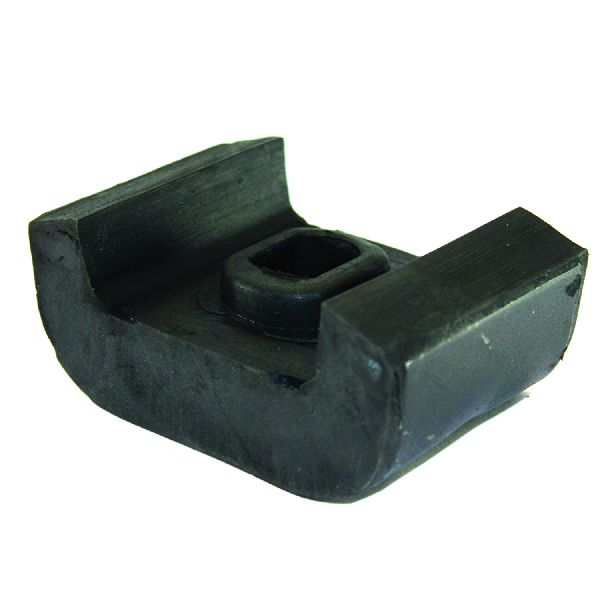
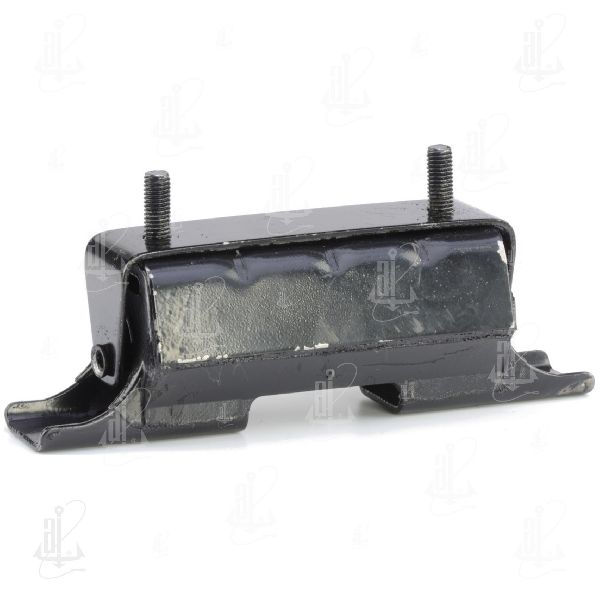
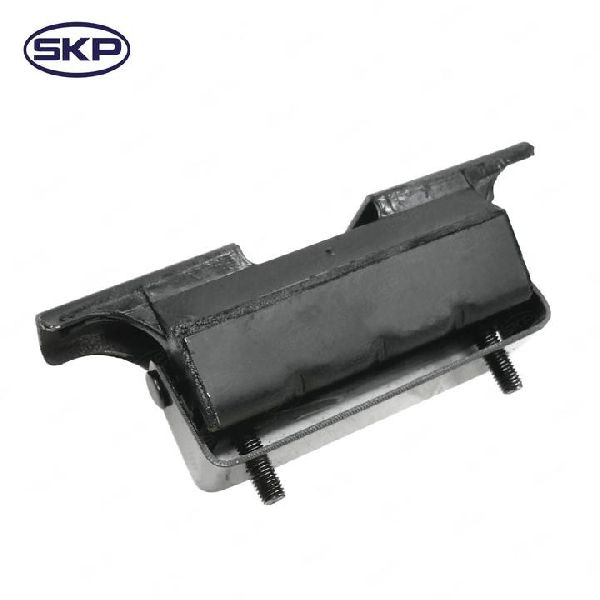
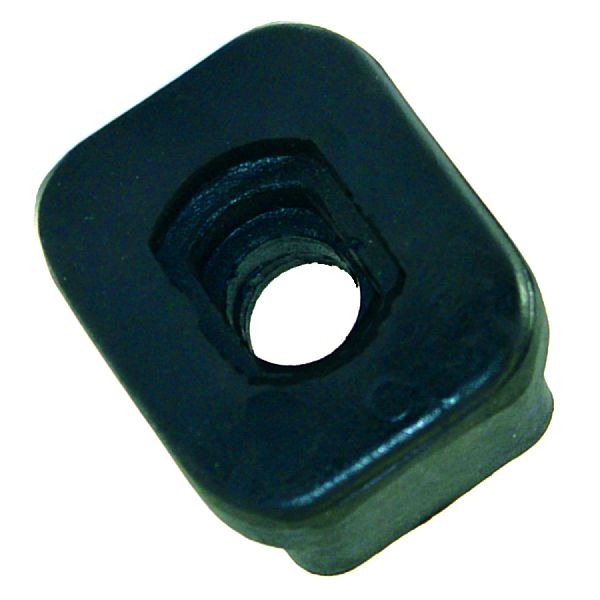
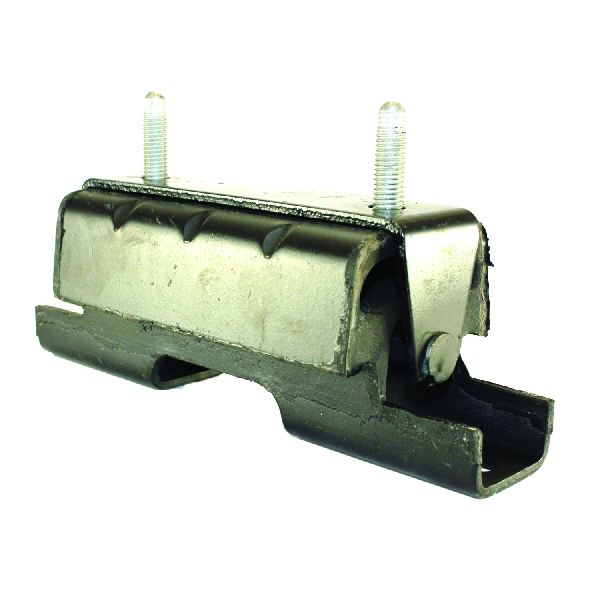
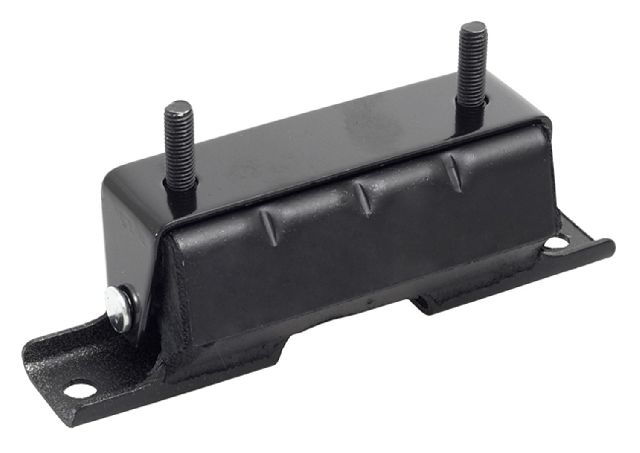
The most common aftermarket design is a single-stud rectangular mount that bolts to the transmission tail housing and the frame crossmember. Some 4x4 models may use a two-piece bushing design that sandwiches the crossmember. Common aftermarket part numbers include 2378 and 2392.
We Have This Part in Stock

The information in this article is provided for general reference and educational purposes only. Vehicle specifications, procedures, and part compatibility can vary by production date, trim level, and region. Always consult your vehicle's factory service manual and verify part numbers before purchasing or performing repairs. Safety-critical components such as airbags, seat belts, and braking systems should be installed by a qualified professional.