

A Comprehensive Guide to the 1976-1989 Buick Electra Distributor Cap
Keep your classic Electra running smoothly by understanding when and how to replace your distributor cap.
- The distributor cap is a critical maintenance item; inspect it for cracks and corrosion regularly.
- Always replace the distributor rotor at the same time as the cap for best results.
- For a stock Electra, an ACDelco or a quality aftermarket brand like Standard Ignition is a reliable choice.
- Carefully label spark plug wires before removal to ensure correct firing order upon reinstallation.
Understanding Your Electra's Ignition System
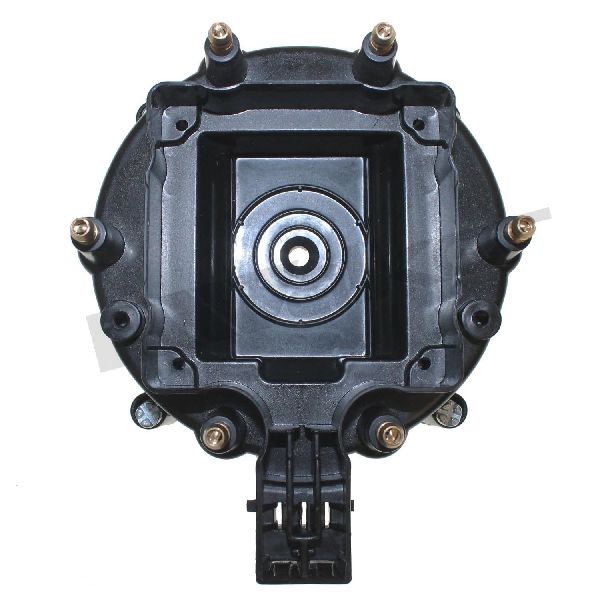
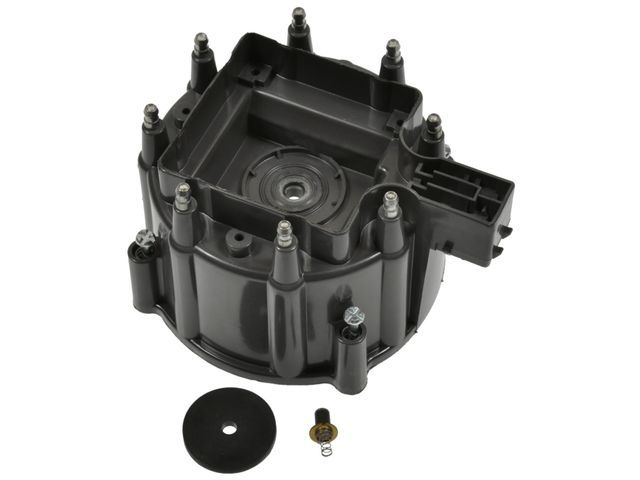
Most Buick Electra models from 1976 to 1989 came equipped with a General Motors High Energy Ignition (HEI) system. This system is easily identified by its large distributor cap, which often has the ignition coil integrated directly into the top center of the cap. The distributor cap is a wear-and-tear item, meaning it needs to be replaced as part of your vehicle's regular maintenance, often during a tune-up. Over time, the high voltage passing through the cap can cause the internal metal terminals to corrode or wear down, and the plastic housing can develop tiny cracks.
Symptoms of a Failing Distributor Cap
A bad distributor cap can cause a variety of engine performance problems. Because the cap is responsible for routing the spark, any issues with it can disrupt the engine's combustion process. You may notice one or more of the following signs:
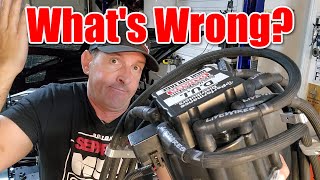
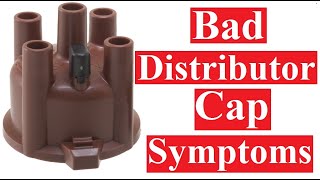
🎬 Watch: A visual guide to symptoms of a bad cap- Engine Misfires: The engine may stumble, shake, or run unevenly, especially under acceleration.
- Rough Idle: Your Electra might vibrate or shake more than usual when stopped at a light.
- Hard Starting: The engine may take longer than usual to start, or it might crank but fail to turn over completely.
- Stalling or Backfiring: The engine could stall unexpectedly or you might hear popping sounds from the exhaust.
- Check Engine Light: On later models with more advanced diagnostics, a persistent misfire can trigger the check engine light.
Visual Inspection is Key
Often, the best way to diagnose a bad cap is to look at it. Remove the cap and inspect the inside for white, crusty corrosion on the metal terminals, black carbon tracks (like tiny lightning bolt marks) on the plastic, or any visible cracks. Moisture inside the cap is also a clear sign of a problem.
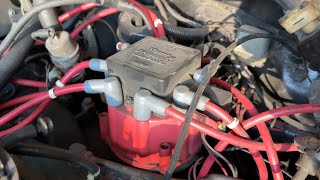
🎬 See how to diagnose and fix your HEI distributorChoosing the Right Aftermarket Distributor Cap
While an original ACDelco part is a reliable choice, several aftermarket brands offer quality replacements for your Buick Electra. The main differences often come down to the materials used for the electrical terminals (brass is superior to aluminum) and the quality of the plastic molding.
| Brand Tier | Brands | Quality & Performance Notes |
|---|---|---|
| OE / Premium Aftermarket | ACDelco, Standard Ignition (Blue Streak) | ACDelco is the original equipment manufacturer for GM and is a trusted, reliable choice. Standard Ignition's Blue Streak line is a well-regarded premium aftermarket option, often featuring brass terminals for better conductivity and corrosion resistance. These are excellent choices for reliability and longevity. |
| Performance Aftermarket | MSD | MSD specializes in performance ignition systems. While they offer high-quality components, they are often considered an upgrade for modified engines. For a stock Buick Electra, an MSD cap may be unnecessary, and some users in forums report mixed results in daily driver applications. |
| Standard Aftermarket | Standard Ignition (T-Series), Walker Products | These brands provide a good balance of quality and value. They are designed to meet or exceed original specifications and are a dependable option for most owners. They are a solid step up from budget or unbranded parts. |
Pro Tip: Replace the Rotor Too
The distributor rotor is the spinning component located under the cap. It is exposed to the same high-voltage conditions and wears out at a similar rate. It is highly recommended to replace the rotor whenever you replace the distributor cap. Many products are sold as kits that include both parts.
🎬 Watch this walkthrough on replacing the HEI cap and rotorFrequently Asked Questions (FAQ)
Is this a difficult part to replace myself?
No, for most people with basic tools, this is a very DIY-friendly job. The difficulty is low. The most important step is to label your spark plug wires before removing them from the old cap, so you can install them on the new cap in the correct firing order. The cap is typically held on by two or four screws or clips.
What is the difference between a cap with an internal coil and one with an external coil?
Your 1976-1989 Electra most likely has a GM HEI distributor, which features a large cap with a square top where the ignition coil sits internally. Older or some different ignition systems use a smaller cap with a central post for a wire that connects to an external coil mounted elsewhere in the engine bay. The two types are not interchangeable without changing the entire distributor.
Are there any recalls on the Buick Electra distributor cap?
No, searches of the National Highway Traffic Safety Administration (NHTSA) database and other sources show no recalls or technical service bulletins (TSBs) specifically related to the distributor cap for the 1976-1989 Buick Electra. Failures are typically due to age and normal wear.
How often should I replace my distributor cap?
A distributor cap is a maintenance item. It's a good practice to inspect it during every major tune-up and plan to replace it and the rotor every 25,000 to 30,000 miles, or if you are experiencing any of the failure symptoms.
Helpful Videos

Technical Specifications
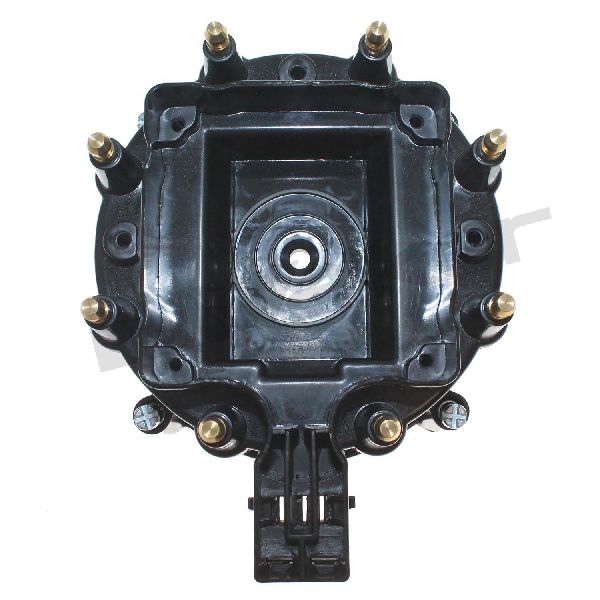
Most 1976-1989 models use a GM HEI (High Energy Ignition) style cap with an internal coil and either male or female style terminals depending on the specific year and engine. Always verify the terminal type before ordering.
We Have This Part in Stock


The information in this article is provided for general reference and educational purposes only. Vehicle specifications, procedures, and part compatibility can vary by production date, trim level, and region. Always consult your vehicle's factory service manual and verify part numbers before purchasing or performing repairs. Safety-critical components such as airbags, seat belts, and braking systems should be installed by a qualified professional.