

Buick LeSabre Distributor Cap Replacement Guide: 1976-1990
Solve rough running and starting problems in your classic LeSabre by choosing the right distributor cap.
- A failing distributor cap is a common cause of misfires, hard starts, and rough idling on 1976-1990 LeSabres.
- Replacement is a simple DIY job; the key is to transfer spark plug wires one-by-one to the new cap to keep the correct firing order.
- Always replace the distributor rotor at the same time as the cap.
- Choosing a cap with brass terminals (like those from ACDelco or Standard's Blue Streak line) can improve longevity and performance.
Is Your LeSabre Running Rough? It Could Be the Distributor Cap.
If your 1976 to 1990 Buick LeSabre is starting to run poorly, hesitate when you accelerate, or has trouble starting, a worn-out distributor cap is a likely suspect. This part is a normal wear-and-tear item that routes spark to the cylinders. Over time, the high voltage it handles can cause corrosion, cracks, and wear on the internal metal contacts, leading to engine performance problems.
Symptoms of a Failing Distributor Cap
- Engine Misfires: The engine may shake or shudder, especially at idle or during acceleration. This happens when a cylinder fails to fire because the spark isn't reaching the spark plug correctly.
- Hard Starting: The car takes longer than usual to start, or it cranks but won't fire up at all. This can be caused by moisture inside a cracked cap or worn terminals that can't deliver a strong spark.
- Rough Idle: An unsteady engine RPM at idle is a classic sign. Worn terminals or carbon tracking can cause an inconsistent spark.
- Stalling or Backfiring: In more severe cases, a broken or heavily corroded cap can cause the engine to stall or backfire.
- Check Engine Light: On later models in this year range, a persistent misfire from a bad cap can trigger the Check Engine Light.
Visual Inspection is Key
The best way to check your distributor cap is to remove it and look inside. Check for a white, chalky buildup on the metal terminals, cracks in the plastic housing, or a worn-down center carbon button. Any of these signs mean it's time for a replacement.
Choosing the Right Aftermarket Distributor Cap
For a classic car like the LeSabre, aftermarket parts are readily available and often provide excellent quality. The original ACDelco parts are still a benchmark, but other brands offer competitive quality, sometimes with improvements like brass terminals for better conductivity and corrosion resistance. It is almost always recommended to replace the distributor rotor at the same time as the cap.
| Brand Tier | Brands | Description |
|---|---|---|
| OEM / Premium Aftermarket | ACDelco, Standard Ignition (Blue Streak) | ACDelco is the original equipment manufacturer and provides a direct, reliable fit. Standard Ignition's Blue Streak line is a premium aftermarket option known for quality components, often with brass terminals. These are excellent choices for owners wanting original performance and long-term reliability. |
| Performance | MSD | MSD is a performance-oriented brand. Their caps are often made from high-quality materials like Rynite to better resist high voltage from performance ignition systems. While some users report issues, they are a popular choice for modified engines but may be overkill for a stock LeSabre. |
| Standard Aftermarket | Walker Products, Standard Ignition (Base) | These brands offer a good balance of quality and price. They are designed to meet or exceed original specifications and are a dependable choice for daily drivers and budget-conscious repairs. Forum discussions suggest these are generally reliable for standard vehicles. |
Pro Tip: Brass vs. Aluminum Terminals
Many mechanics and enthusiasts prefer distributor caps with brass terminals over the standard aluminum ones. Brass is a better conductor and is more resistant to corrosion, which can lead to a more consistent spark and a longer service life. When shopping, it's worth spending a few extra dollars for a cap with brass contacts.
Frequently Asked Questions
How often should I replace the distributor cap?
A distributor cap and rotor are considered maintenance items. It's a good idea to inspect them during a tune-up and replace them every 30,000 to 50,000 miles, or sooner if you notice any symptoms of failure. For a car that is not driven often, it's wise to replace them every few years regardless of mileage.
Is it difficult to replace the distributor cap myself?
No, this is a very DIY-friendly job for most LeSabre owners. The cap is held on by four spring-loaded screws or clips. The most important part is to transfer the spark plug wires from the old cap to the new one in the exact same order to maintain the correct firing order. Labeling the wires before you begin is highly recommended.
What is a GM HEI distributor?
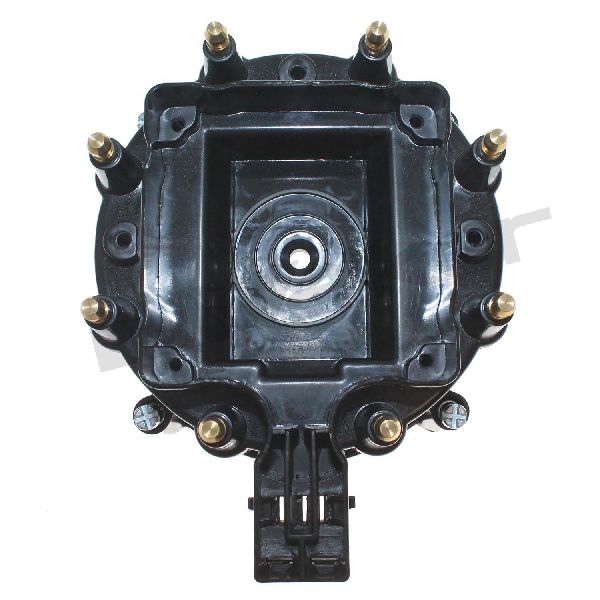
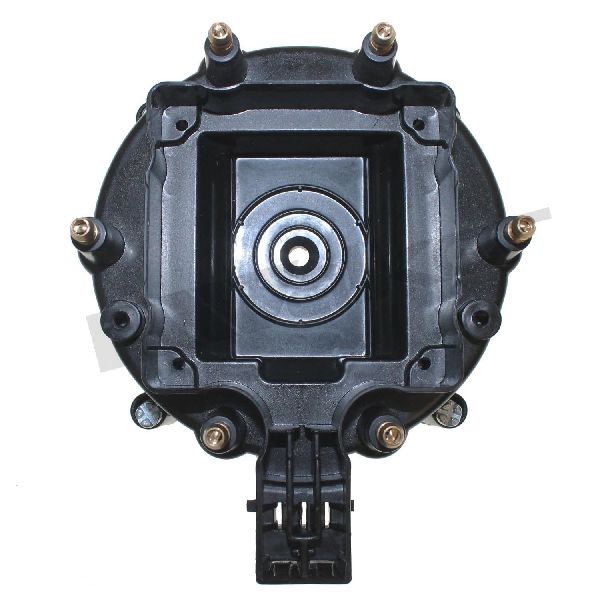
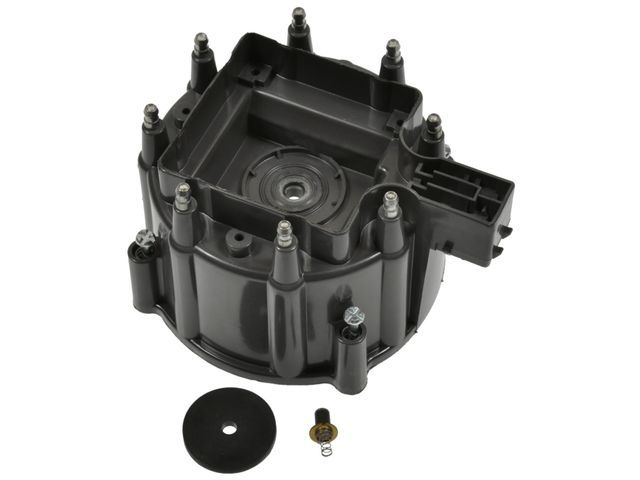
HEI stands for High Energy Ignition. It's an electronic ignition system GM used starting in the mid-1970s. On your LeSabre, it's easy to identify because the ignition coil is integrated into the top of the large-diameter distributor cap, with the spark plug wires plugging into the sides. This is different from older systems that had a separate, external ignition coil.
Are there any recalls for the LeSabre distributor cap?
Searches of the NHTSA database did not show any specific recalls or technical service bulletins (TSBs) for the distributor cap on the 1976-1990 Buick LeSabre. However, similar GM vehicles from later years had recalls for distributor corrosion issues, highlighting the importance of keeping the cap and vent screens clean.
Technical Specifications
OEM Part Numbers: D336X
Fits GM High Energy Ignition (HEI) systems with in-cap coil. Terminal material can be aluminum or brass.
We Have This Part in Stock


The information in this article is provided for general reference and educational purposes only. Vehicle specifications, procedures, and part compatibility can vary by production date, trim level, and region. Always consult your vehicle's factory service manual and verify part numbers before purchasing or performing repairs. Safety-critical components such as airbags, seat belts, and braking systems should be installed by a qualified professional.