

Your Guide to the Ignition Coil for the 1977-1978 BMW 630CSi
Keep your classic E24 sharknose running strong by understanding its ignition coil.
- A failing ignition coil on a 630CSi will cause misfires, rough running, poor acceleration, or a no-start condition.
- Replacement is a very simple DIY job that takes less than 30 minutes with basic tools.
- There are no recalls or specific TSBs for this part; failure is due to age.
- Quality aftermarket brands like NGK and Standard Ignition are reliable alternatives to a more expensive OEM Bosch coil.
Signs of a Failing Ignition Coil
The ignition coil on the E24 630CSi is a durable component, but it can fail from age, heat, and vibration. When it starts to go bad, the symptoms are usually quite noticeable. Ignoring them can leave you stranded.
- No Start or Hard Starting: A completely failed coil will prevent the engine from starting. 🎬 Watch: Troubleshooting a crank-no-start condition on an E24. A weak coil may make the engine difficult to start, especially when cold.
- Engine Misfires: The engine may stumble, shake, or hesitate during acceleration. This happens when the coil fails to produce a strong enough spark to ignite the fuel in a cylinder.
- Rough Idle: Your car may vibrate or run unevenly when stopped at a light. This can be caused by an inconsistent spark from a failing coil.
- Poor Acceleration and Power Loss: A weak spark leads to incomplete combustion, making the car feel sluggish and down on power.
- Worsening Fuel Economy: When the engine isn't burning fuel efficiently due to a weak spark, your gas mileage will suffer.
Choosing the Right Aftermarket Ignition Coil
For a classic vehicle like the 630CSi, you don't need a part in a BMW-branded box to get excellent quality. The original coils were made by specialists like Bosch, and many aftermarket brands offer parts that meet or exceed original specifications. Aftermarket coils fall into different quality tiers.
Brand Quality Tiers
| Tier | Brands | Assessment |
|---|---|---|
| Premium / OEM-Equivalent | NGK, Standard Ignition (SMP) | These brands have a strong reputation for quality ignition components. NGK is a trusted name in the industry, and SMP is noted for its OEM-grade testing and quality control. Choosing from this tier is a reliable bet for long-term performance. |
| Quality Aftermarket | Walker Products, Holstein | These brands are solid, mid-tier choices that offer a good balance of price and performance. They manufacture parts to meet OE standards and are a dependable option for most owners. |
| Economy | Spectra Premium | While budget-friendly, this tier can be a gamble. Some user reviews report premature failures, even on parts with a lifetime warranty. This option may be suitable for a car that is driven infrequently, but it carries a higher risk of needing to be replaced again sooner. |
Known Issues, TSBs, or Recalls
Searches of the National Highway Traffic Safety Administration (NHTSA) database and technical service bulletin (TSB) archives show no recalls or bulletins related to the ignition coil for the 1977-1978 BMW 630CSi. Failures are due to the normal wear and tear of a 45+ year-old electrical component.
Pro Tip: Check Your Connections
Before replacing the coil, inspect the wiring. The low-voltage wires connected to the small posts can become corroded, and the main high-tension wire to the distributor can degrade over time. A poor connection can mimic the symptoms of a bad coil. Ensure all connections are clean and tight.
Frequently Asked Questions (FAQ)
Is replacing the ignition coil a difficult DIY job?
No, this is one of the easiest jobs you can do on your 630CSi. The coil is typically mounted in the engine bay with a simple bracket. The process involves disconnecting the battery, labeling and removing a few wires, unbolting the old coil, and installing the new one. It requires basic hand tools and can be done in under 30 minutes.
Should I replace my spark plugs and wires at the same time?
It's a good idea. If the ignition coil has failed, there's a good chance the spark plugs and the high-tension coil-to-distributor wire are also old. Replacing them all at once is good preventative maintenance and ensures your entire ignition system is refreshed 🎬 Watch: A complete guide to troubleshooting M30 ignition components. for reliable performance.
How can I test my old ignition coil? 🎬 See how to test your ignition coil with a multimeter.
You can perform a basic resistance test with a multimeter. You'll measure the resistance of the primary circuit (between the two small terminals) and the secondary circuit (between the positive small terminal and the large high-voltage output). You will need to find the specific resistance values for your car's coil in a service manual, but if either reading is an open circuit (infinite resistance), the coil is definitely bad.
What is a ballast resistor and do I need one?
Some ignition systems of this era use a ballast resistor to reduce the voltage going to the coil after the engine has started, which prolongs the life of the ignition points. Check your vehicle's wiring diagram or service manual. If your car is equipped with one, make sure your new coil is compatible with it or that the resistor is in good working order.
Helpful Videos
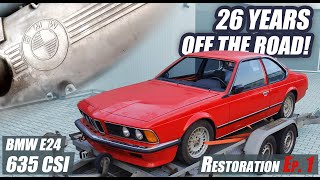
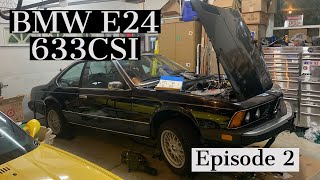
Technical Specifications
OEM Part Numbers: 12131357294 12131357295 0221119021
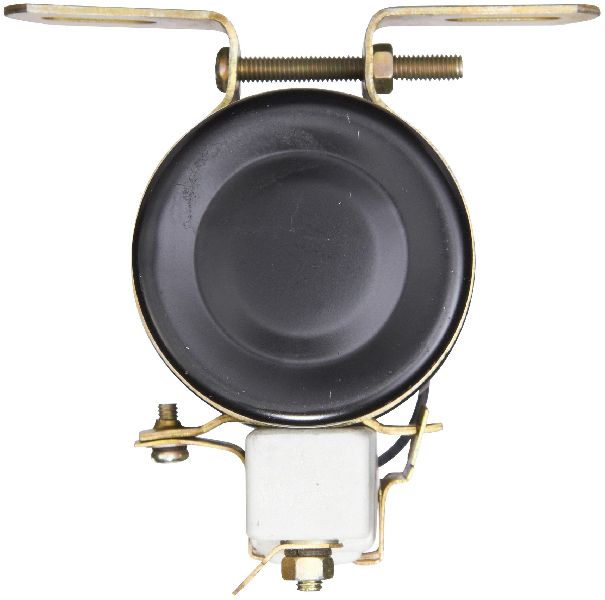
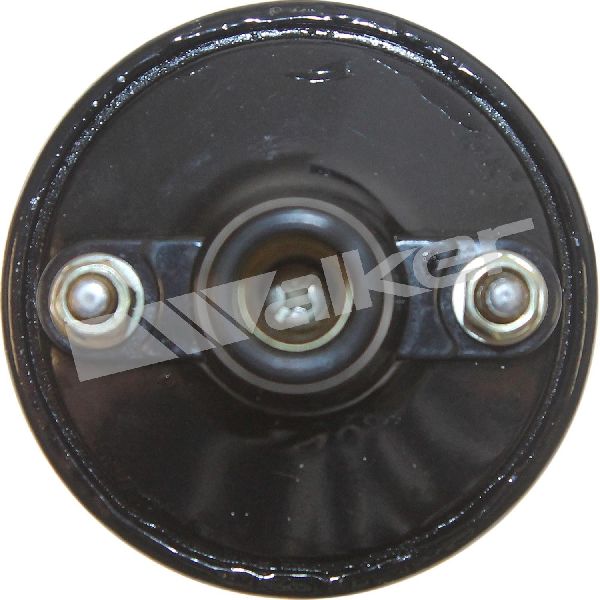
This vehicle uses a single, canister-style, oil-filled ignition coil with an external ballast resistor (in most configurations). It provides spark to a distributor-based ignition system.
We Have This Part in Stock


The information in this article is provided for general reference and educational purposes only. Vehicle specifications, procedures, and part compatibility can vary by production date, trim level, and region. Always consult your vehicle's factory service manual and verify part numbers before purchasing or performing repairs. Safety-critical components such as airbags, seat belts, and braking systems should be installed by a qualified professional.