

Engine Coolant Thermostat Guide for the 1977-1978 Mazda B1800
Keep your classic B1800's engine temperature in check with the right thermostat.
- A failing thermostat can cause your B1800 to overheat or run too cold; both are bad for the engine.
- New OEM parts are not available; you must use an aftermarket thermostat from brands like Gates, Calorstat, Beck Arnley, or Motorad.
- This is a simple, low-cost repair that is highly recommended for DIY mechanics.
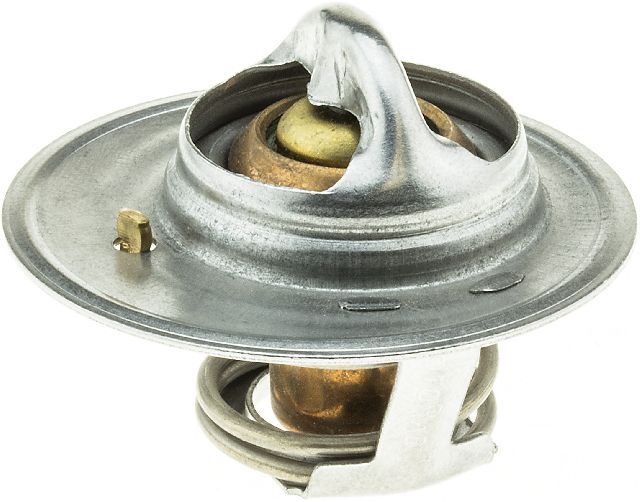
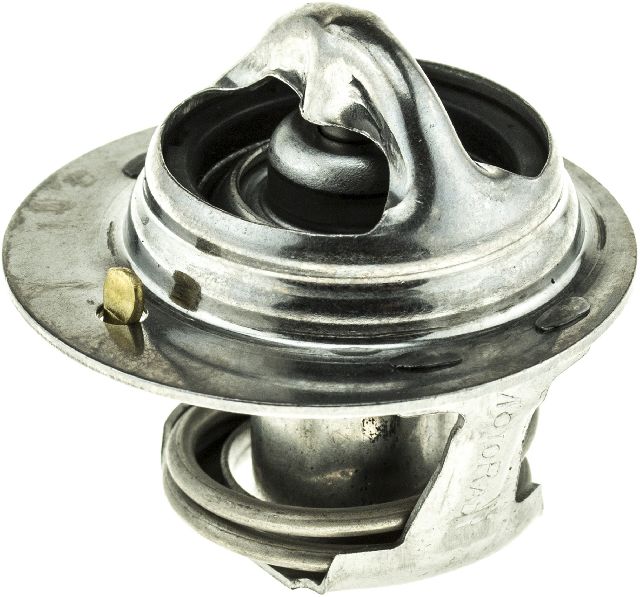
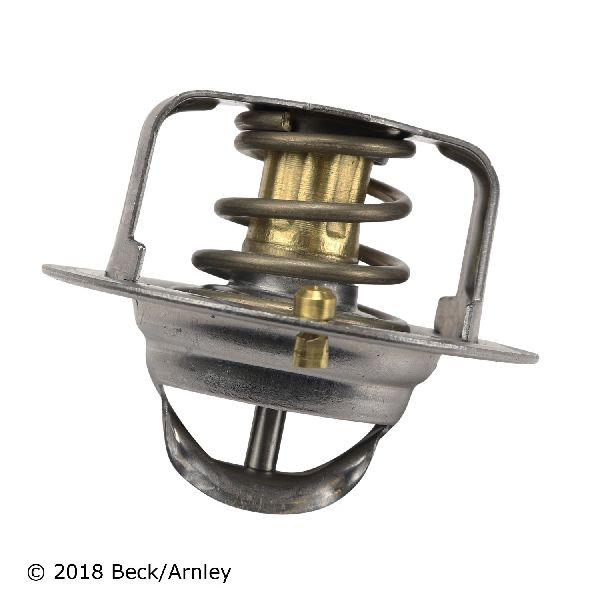
- Always replace the thermostat gasket and install the new thermostat with the jiggle pin (if equipped) in the 'up' position.
Is Your B1800's Temperature Gauge Acting Up?
The thermostat is a common wear item on any vehicle, and on a classic truck like the 1977-1978 Mazda B1800, it's a part that will likely need replacement due to age. A failing thermostat can cause serious engine problems, but thankfully, it's an inexpensive and straightforward part to replace. It can fail in two ways: stuck open or stuck closed.
Symptoms of a Failing Thermostat
- Engine Overheating: If the thermostat is stuck closed, it won't allow coolant to flow to the radiator. Your temperature gauge will climb into the red, and you may see steam from the engine bay. This is a critical issue that can cause severe engine damage.
- Engine Slow to Warm Up / No Cabin Heat: If the thermostat is stuck open, coolant will circulate constantly. This makes it very difficult for the engine to reach its proper operating temperature, especially in colder weather. You'll notice the temp gauge stays low and your heater blows lukewarm or cold air.
- Temperature Gauge Fluctuations: A gauge that swings wildly between hot and cold can indicate a thermostat that is sticking or opening and closing erratically.
- Coolant Leaks: While less common, a faulty thermostat housing or a bad gasket can cause coolant to leak near the top of the engine.
Warning: Do Not Ignore Overheating
If your temperature gauge enters the red zone, pull over and shut off the engine immediately to prevent catastrophic damage like a warped cylinder head or cracked block.
Choosing the Right Aftermarket Thermostat
Original Equipment (OEM) thermostats for a 1977-1978 B1800 are no longer produced by Mazda. Your only option for a new part is the aftermarket, which offers several reliable choices.
| Brand Tier | Brands | Assessment |
|---|---|---|
| Tier 1: OE-Quality & Reputation | Gates, Calorstat | Gates is a major name in cooling systems with a strong reputation for quality. Calorstat is a well-regarded European brand, often used as an original equipment supplier for many manufacturers. Both are excellent choices for reliability. |
| Tier 2: Import Specialist | Beck Arnley | Beck Arnley specializes in sourcing parts that match the original fit and function for import vehicles like your Mazda. While some online reviews show mixed experiences for other applications, they are generally a solid choice for getting a part designed to OE specifications. |
| Tier 3: Value Option | Motorad | Motorad is a large manufacturer and a common brand in auto parts stores. They offer a budget-friendly option, but online reviews are mixed, with some users reporting success and others citing early failures. They can be a viable choice if the budget is the main concern. |
Pro Tip: Always Replace the Gasket
When you replace your thermostat, always install a new gasket. Some thermostats come with one in the box. If not, be sure to purchase one separately. Using old gaskets is a primary cause of coolant leaks after a repair.
Known Issues, Recalls, and TSBs
After extensive research of NHTSA records and technical forums, no specific recalls or Technical Service Bulletins (TSBs) related to the engine coolant thermostat have been found for the 1977-1978 Mazda B1800. Any failure you experience is almost certainly due to the part's age and normal wear rather than a factory defect.
Frequently Asked Questions (FAQ)
What temperature thermostat should I use for my B1800?
You should always use the temperature rating specified for your vehicle, which is typically stamped on the thermostat itself. For most classic Japanese trucks of this era, a 180°F (82°C) thermostat is standard. Using a thermostat with a different temperature rating can negatively affect engine performance and fuel efficiency.
Can I replace the thermostat myself?
Yes, this is a very DIY-friendly job on the B1800. The thermostat is usually located at the front of the engine where the upper radiator hose connects. The process involves draining some coolant, unbolting the housing, swapping the part, and refilling the system. Basic hand tools are all that's required.
Should I flush the cooling system when I change the thermostat?
It's an excellent idea. Since you'll be draining the coolant anyway, it's the perfect time to flush the entire system. This removes any rust, scale, or debris that has built up over the years, which can help your new thermostat and entire cooling system work more efficiently.
My new thermostat came with a small jiggle pin. Where does it go?
The jiggle pin, or bleed valve, should be installed in the "up" or 12 o'clock position. This small valve allows trapped air to bleed out of the cooling system, which makes refilling the system much easier and helps prevent air pockets that can cause overheating.
Technical Specifications
Standard Temperature: ~180°F (82°C). Always verify the correct temperature rating for your specific part.
We Have This Part in Stock


The information in this article is provided for general reference and educational purposes only. Vehicle specifications, procedures, and part compatibility can vary by production date, trim level, and region. Always consult your vehicle's factory service manual and verify part numbers before purchasing or performing repairs. Safety-critical components such as airbags, seat belts, and braking systems should be installed by a qualified professional.