

Choosing the Right Universal Joint for Your 1977-1979 Ford LTD II
Don't let a bad U-joint sideline your classic Ford—here's what you need to know.
- Listen for clunking when shifting, squeaking while driving, or vibrations at highway speeds—these are key signs of U-joint failure.
- For best results and longevity, choose a premium aftermarket brand like Spicer.
- Due to the low cost of the parts, it is strongly recommended to replace both U-joints at the same time.
- Do not ignore symptoms, as a complete failure can cause the driveshaft to detach and lead to a dangerous situation and costly repairs.
Is Your LTD II's U-Joint Failing?
A failing U-joint gives clear warning signs. Because a complete failure can cause the driveshaft to fall out, potentially causing a lot of damage, it's important to address these symptoms right away. Listen and feel for these common signs of a bad U-joint.
Loud Clunking Noise
The most common symptom is a loud 'clunk' or 'ping' when you shift into Drive or Reverse. This sound is caused by excessive slack in the worn-out joint. You might also hear it when you accelerate or decelerate quickly.
Vibrations While Driving
A vibration that you can feel throughout the car, especially at highway speeds, points to a bad U-joint. As the internal needle bearings wear out, the driveshaft becomes unbalanced, causing a vibration that gets worse the faster you go.
Squeaking or Chirping
A constant, rhythmic squeaking that speeds up as you drive is a sign that the U-joint has lost its grease and is running dry. The metal-on-metal friction of the dry bearings creates this high-pitched noise.
Critical Warning: Do Not Ignore a Failing U-Joint
Continuing to drive with a bad U-joint is dangerous. If it breaks completely, the driveshaft can detach from the car. This will cause an immediate loss of power. It can also damage the transmission, exhaust, and fuel lines, or even dig into the pavement and cause you to lose control of the vehicle.
Choosing the Right Aftermarket U-Joint
For a classic car like the 1977-1979 LTD II, new original Ford parts are no longer available. The good news is that high-quality aftermarket U-joints are readily available and can be as good or even better than the original parts. They generally fall into different quality tiers.
| Brand Tier | Brands | Quality & Notes |
|---|---|---|
| Premium | Dana / Spicer | Spicer is widely considered the best choice by mechanics and enthusiasts. They are known for being OEM suppliers and have a reputation for durability and strength. Many forum users state they will only use Spicer U-joints. |
| Quality Aftermarket | SKF | SKF is a well-respected brand known for its bearings. Their U-joints are considered a solid, reliable choice for a daily driver or restoration. |
| Standard / Economy | GMB, Moog | GMB is a common, budget-friendly option. Moog, while once a top-tier brand, now has a mixed reputation for its U-joints, with some users reporting premature failures. These are best suited for a car that is driven infrequently or when budget is the main concern. |
Pro Tip: Greasable vs. Sealed Joints
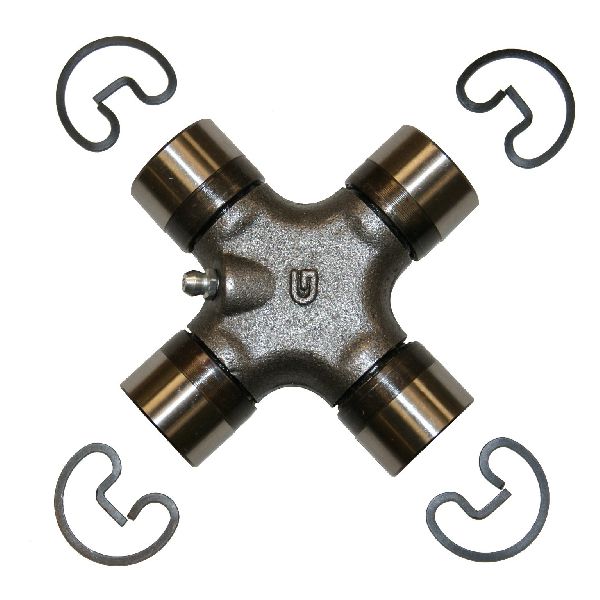
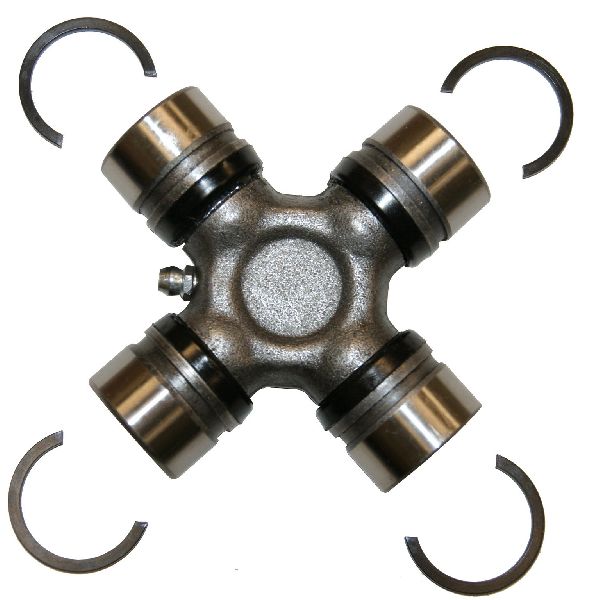
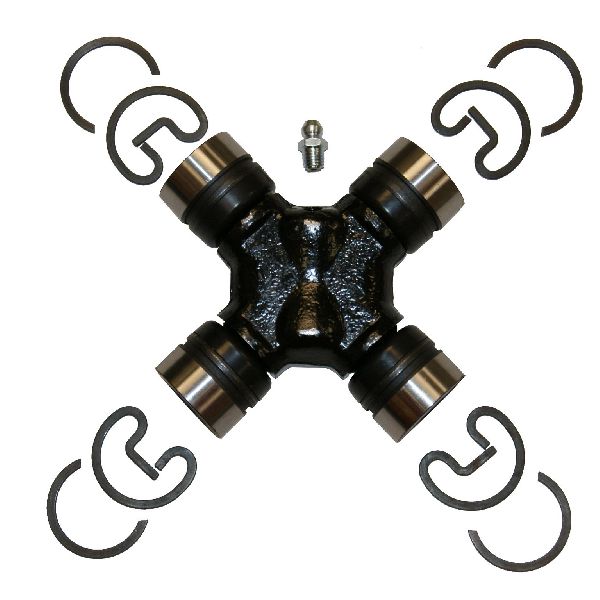
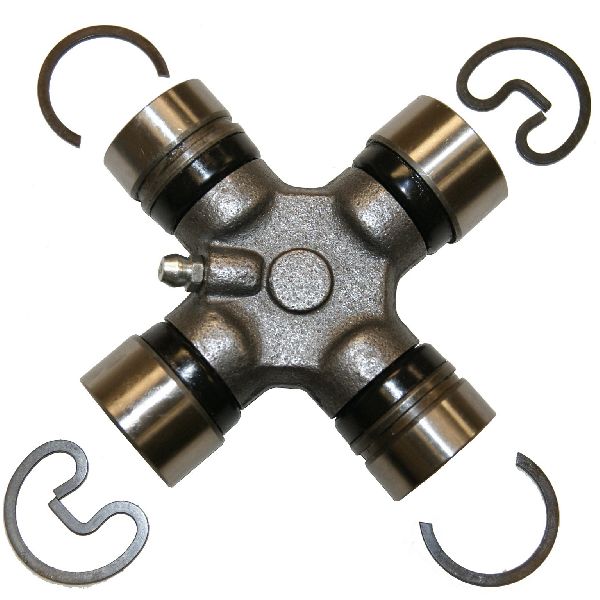
Aftermarket U-joints come in two styles: greasable (with a zerk fitting to add grease) and sealed (lubricated for life). Greasable joints can last longer if maintained, but you must remember to grease them regularly. Sealed joints are often stronger because the cross isn't hollowed out for a grease channel, and they are maintenance-free. For most owners, a high-quality sealed joint from a brand like Spicer is a great 'fit and forget' option.
Frequently Asked Questions (FAQ)
How many U-joints does my Ford LTD II have?
A typical 1977-1979 Ford LTD II has a one-piece driveshaft with two universal joints: one at the transmission end and one at the rear axle end.
Can I replace just one bad U-joint?
Yes, you can replace only the failing joint. However, since the driveshaft has to be removed for the job, and the parts are inexpensive, it is highly recommended to replace both U-joints at the same time. If one has failed due to age and mileage, the other is likely not far behind.
Is this a difficult job to do at home?
Replacing U-joints is a moderately difficult DIY task. It requires safely lifting the vehicle, removing the driveshaft, and using either a bench vise with large sockets or a hydraulic press to remove the old joints and install the new ones. If you are not comfortable with this, a repair shop can perform the labor.
Were there any recalls for the LTD II U-joints?
No, there were no recalls or common Technical Service Bulletins (TSBs) issued by Ford or the NHTSA for universal joint problems on the 1977-1979 Ford LTD II.
Technical Specifications
The 1977-1979 Ford LTD II uses a rear-wheel-drive configuration with a one-piece driveshaft, typically requiring two universal joints of the same size.
We Have This Part in Stock
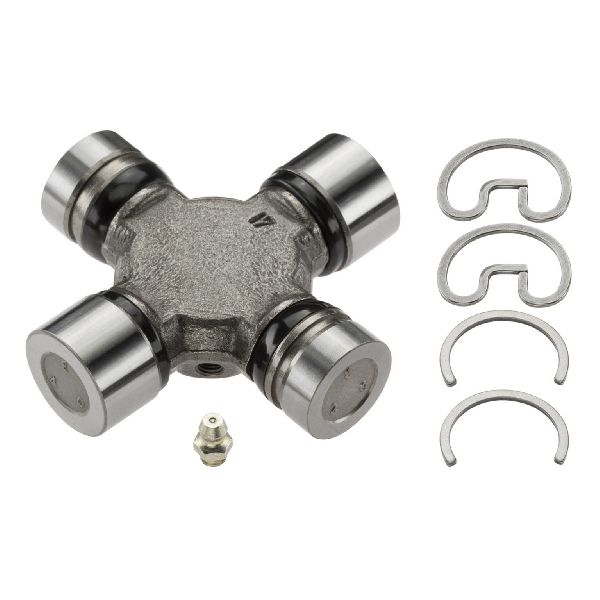
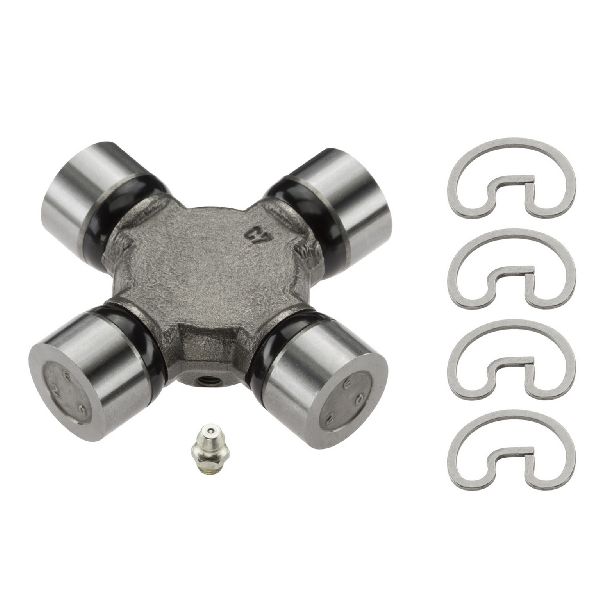

The information in this article is provided for general reference and educational purposes only. Vehicle specifications, procedures, and part compatibility can vary by production date, trim level, and region. Always consult your vehicle's factory service manual and verify part numbers before purchasing or performing repairs. Safety-critical components such as airbags, seat belts, and braking systems should be installed by a qualified professional.