

A Practical Guide to the 1977-1979 Lincoln Mark V Alternator
Keep your classic Lincoln's electrical system reliable with the right new alternator.
- A battery that dies while driving is a strong sign of a failed alternator, not just a bad battery.
- Decide between a stock-style replacement that uses the external voltage regulator or a modern 1-wire alternator that requires minor wiring modification.
- The stock 60-amp alternator is fine for original cars; only upgrade to a high-output unit if you have added modern electronics.
- Before replacing the alternator, always check the drive belt for tension and wear, and clean all electrical connections.
Is Your Mark V Alternator Failing?
A failing alternator rarely dies without warning. If you notice any of these issues, it's time to inspect your charging system. Ignoring them can leave you stranded with a dead battery and a car that won't run.
- Dimming or Flickering Lights: Headlights and interior lights may dim, flicker, or even get overly bright as the alternator struggles to provide consistent voltage.
- Battery Warning Light: A light on your dashboard shaped like a battery (or labeled 'ALT' or 'GEN') is a direct indicator of a charging system problem.
- Dead Battery: A new or known-good battery that repeatedly dies is a classic sign that the alternator isn't recharging it. Your car may start with a jump, but die shortly after.
- Strange Noises: A grinding or whining sound from the engine bay can point to failing bearings inside the alternator. A squealing noise could be a loose or worn drive belt.
- Electrical Accessory Problems: Power windows that are slow, a radio that cuts out, or other electrical gremlins can occur when the alternator can't supply enough power.
- Burning Smell: A smell like hot wires or burning rubber can be caused by an overworked alternator overheating.
Choosing the Right Aftermarket Alternator
For a classic vehicle like the Mark V, new Original Equipment (OEM) parts are generally not available. The market consists of new and remanufactured aftermarket parts. Here’s a breakdown of the available brands to help you choose.
Performance Upgrade Brands
These brands offer new, higher-than-stock amperage units, often with an upgraded appearance. They are a good choice if you've added modern electronics like a powerful stereo or electric cooling fans.
- Proform: Often sells 100% new, high-output (100+ amp) alternators, frequently with a chrome finish. These are typically a GM 10SI style, which can be wired as a simple '1-wire' setup. This requires modifying your car's wiring to bypass the original external voltage regulator. Reviews are generally positive for performance and appearance.
Standard Replacement Brands
These brands offer a mix of new and remanufactured units that serve as direct, stock-level replacements. They are reliable choices for a daily driver or stock restoration.
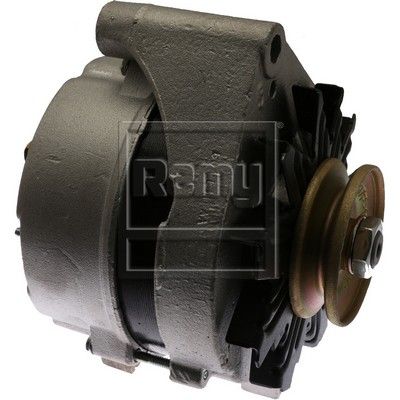
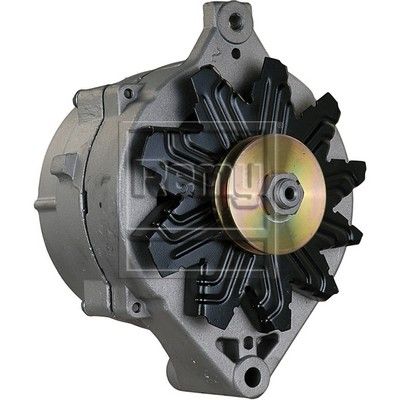
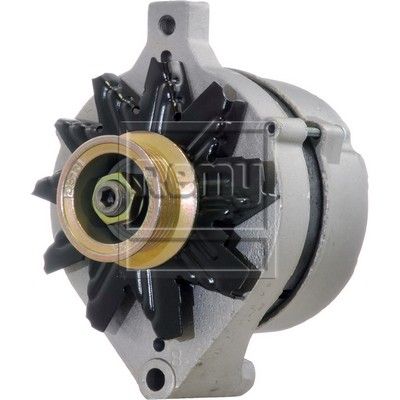
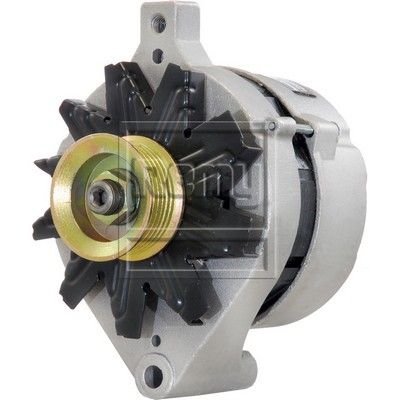
- Remy: A well-known brand offering both new and remanufactured alternators. Quality can be mixed, with some users reporting long life and others experiencing premature bearing failure.
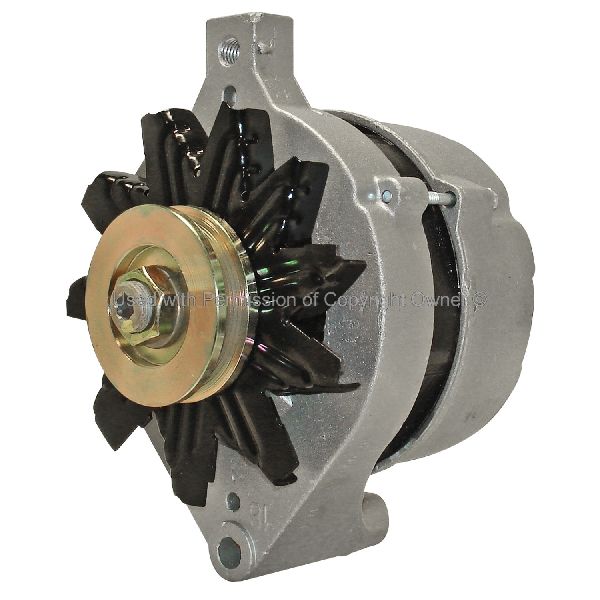
- MPA (Motorcar Parts of America): A major supplier that offers remanufactured (Quality-Built) and new (QB Supreme) alternators. They are known for their testing process and are a solid, mainstream choice.
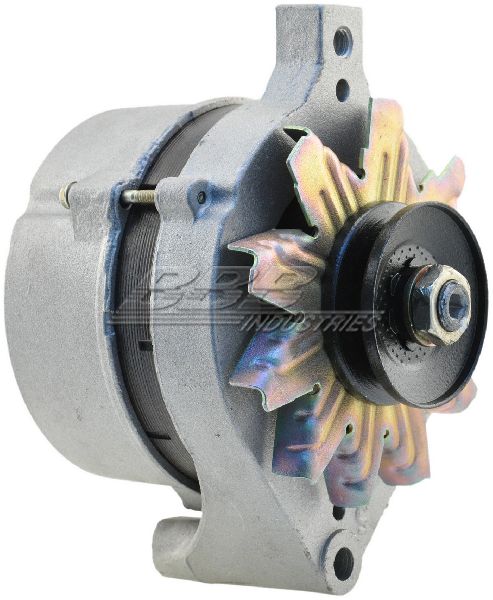
- BBB Industries: A large remanufacturer that supplies many auto parts stores. Like Remy, user reviews are mixed but they are generally considered a decent, readily available option.
Economy Brands
These brands focus on providing a low-cost solution, typically through remanufacturing.
- USA Industries: Offers remanufactured alternators at a budget-friendly price point. Forum discussions suggest that while they are remanufactured in the USA, the quality of new components used may be inconsistent.
Alternator Replacement Cost for 1977-1979 Lincoln Mark V
| Part Type | Estimated Cost |
|---|---|
| New Aftermarket Alternator | $45 - $118 |
| Shop Labor | $100 - $200 |
| Total Estimated Cost | $145 - $318 |
Frequently Asked Questions
Can I replace the alternator myself?
Yes, this is a very DIY-friendly job for a 1977-1979 Mark V. The alternator is typically easy to access at the front of the engine. The process involves disconnecting the battery, loosening the drive belt, removing a few electrical connections, and unbolting the unit. Basic hand tools are all that's required.
Do I need a high-output alternator?
The stock alternator is around 60 amps, which is sufficient for a factory-equipped car. You should only consider a high-output (100+ amp) unit if you have added significant electrical loads, such as a high-power audio system, electric cooling fans, or other modern accessories. Upgrading may also require running a larger wire from the alternator to the battery to handle the extra current.
What is a '1-wire' alternator?
A 1-wire alternator has an internal voltage regulator and only needs one wire connected from its output post to the battery to function. This simplifies wiring but requires bypassing your Mark V's original external voltage regulator and wiring harness plug. It's a common modification on classic cars.
What is an external voltage regulator?
Your Mark V came from the factory with a separate component, the voltage regulator, mounted in the engine bay. It controls the alternator's output. If you are using a stock-style replacement alternator, this regulator must be functioning correctly. If the regulator fails, the alternator may not charge or it may overcharge the battery. Sometimes the regulator is the problem, not the alternator itself.
Were there any recalls on the Mark V alternator?
No. Searches of the National Highway Traffic Safety Administration (NHTSA) database and other records show no recalls or technical service bulletins (TSBs) specifically for the alternator on the 1977-1979 Lincoln Mark V.
Technical Specifications
The original factory alternator for the Lincoln Mark V was an externally regulated unit with an output of approximately 60 amps. Aftermarket replacements are available in the stock configuration or as internally regulated, '1-wire' units with outputs of 100 amps or more.
We Have This Part in Stock

The information in this article is provided for general reference and educational purposes only. Vehicle specifications, procedures, and part compatibility can vary by production date, trim level, and region. Always consult your vehicle's factory service manual and verify part numbers before purchasing or performing repairs. Safety-critical components such as airbags, seat belts, and braking systems should be installed by a qualified professional.