

A Guide to the Starter Motor for the 1977-1979 Lincoln Mark V
Solve your starting problems and get your classic Lincoln turning over reliably every time.
- The most common issue is 'heat soak', which causes slow or no-cranking when the engine is hot.
- A high-torque, gear-reduction starter is the best long-term solution for heat soak and provides more reliable starting.
- Always check your battery and cable connections first, as they can mimic the symptoms of a bad starter.
- There are no recalls from Lincoln or the NHTSA related to the starter motor for this vehicle.
Is Your Lincoln Mark V Starter Failing?
A failing starter can leave you stranded. Before you blame the starter, always check that your battery is fully charged and the battery terminals are clean and tight. Starting problems on these cars can often be traced to bad cables or poor connections. If the battery and cables are good, look for these common symptoms of a bad starter:
- Single Loud Click: You turn the key and hear one sharp click, but the engine doesn't crank. This often points to a bad starter solenoid, which is the smaller cylinder attached to the starter motor.
- Rapid Clicking: A series of fast clicks suggests the starter isn't getting enough power, which could be a weak battery or a problem within the starter motor itself.
- Slow Cranking: If the engine turns over very slowly, like the battery is weak (even when it's not), the starter motor is likely worn out and drawing too much power.
- Grinding Noise: A harsh grinding sound when you try to start the car can mean the starter gear is damaged or not aligning correctly with the engine's flywheel. Stop trying to start the engine immediately to avoid further damage.
- No Sound at All: If there's no sound when you turn the key, it could be a completely dead starter, but it's also important to check the starter relay and ignition switch. 🎬 Watch: A mechanic's guide to troubleshooting common starter problems.
A Common Issue: Heat Soak
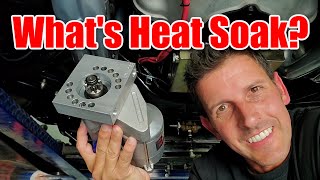
The large V8 engines in the Mark V generate significant heat. The starter is located close to the hot exhaust manifold, and over time, this heat can cause the starter's internal electrical components to develop high resistance. This is known as "heat soak." The primary symptom is that the car starts fine when cold, but after a drive, it will crank very slowly or not at all until the engine cools down for 15-30 minutes. 🎬 See how heat soak affects your engine and how to fix it. Upgrading to a modern, high-torque starter is a common and effective solution.
Choosing the Right Aftermarket Starter
New original equipment (OEM) Ford/Motorcraft starters for a Mark V are generally no longer available. Your choices will be new aftermarket or remanufactured aftermarket parts.
Brand Tiers for Your Mark V
- Performance Tier (Powermaster, Proform): These brands specialize in 100% new, high-torque, gear-reduction starters. They are smaller, lighter, and more powerful than the original, making them an excellent upgrade to overcome heat soak and provide faster, more reliable starting. They are the best choice if you have engine modifications or persistent hot-start problems.
- Standard Replacement Tier (ACDelco, some MPA/Carquest New): Brands like ACDelco offer new and remanufactured starters designed to meet original specifications. A new starter from a reputable brand in this tier is a solid choice for a stock vehicle in a moderate climate.
- Economy Tier (Remanufactured Store Brands): Most remanufactured starters work by taking an old OEM unit (the "core") and replacing only the failed or worn components. While budget-friendly, the quality can be inconsistent. A remanufactured starter can be a good value, but it may not have the longevity of a quality new unit, especially when dealing with the heat from a big-block V8.
Pro Tip: For any 1977-1979 Lincoln Mark V, especially if you live in a warm climate, a high-torque mini-starter from a brand like Powermaster or Proform is a worthwhile investment to permanently solve the common heat soak problem.
🎬 Watch: How to install a high-torque mini starter on a Ford V8.Cost of a New Starter Motor (1977-1979 Lincoln Mark V)
| Part Type | Estimated Cost |
|---|---|
| New Aftermarket Starter | $80 - $165 |
| Remanufactured Starter | $60 - $110 (plus a refundable "core charge") |
| Shop Labor | $120 - $240 |
Frequently Asked Questions
Do I need a special high-torque starter?
If your car struggles to start when the engine is hot, you are experiencing heat soak. A high-torque, gear-reduction starter is the best fix for this common issue on Ford 400 and 460 engines. For standard use in cooler climates without hot-start issues, a quality stock replacement is sufficient.
What is a "core charge"?
When you buy a remanufactured part, you will often pay an extra fee called a core charge. This charge is refunded to you when you return your old, broken starter to the store. This allows the rebuilder to use your old part's housing to create a new remanufactured unit.
Is it the starter or the solenoid?
On these Fords, the starter system has two main parts: the starter motor itself and a fender-mounted starter relay (often called a solenoid). A single, loud click when you turn the key often points to a bad relay on the fender or a bad connection. If the starter motor itself clicks, grinds, or cranks slowly, the starter motor is the likely culprit. Many aftermarket starters come with a new solenoid attached to the motor.
Are there any recalls on the Mark V starter?
No, there are no recalls or specific technical service bulletins (TSBs) from the NHTSA for the starter motor on the 1977-1979 Lincoln Mark V.
Helpful Videos
Technical Specifications
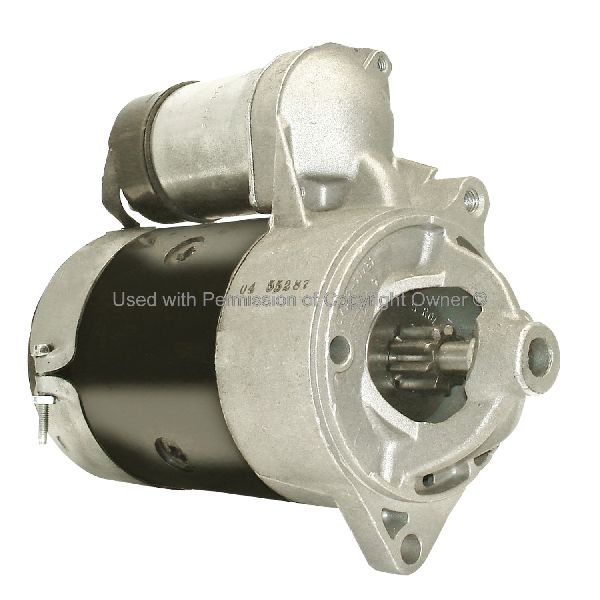
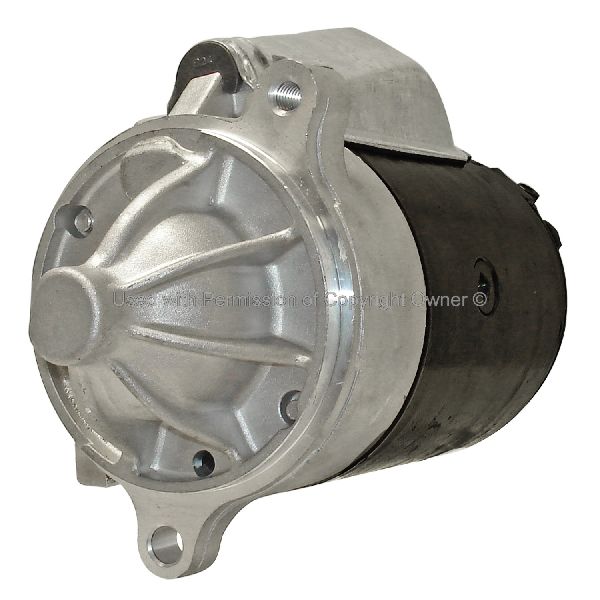
OEM Part Numbers: D7AZ-11002-A D8AZ-11002-A D9AZ-11002-A
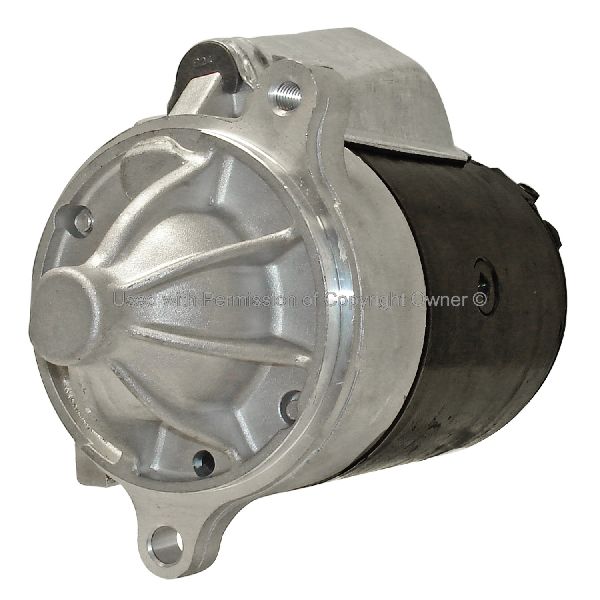
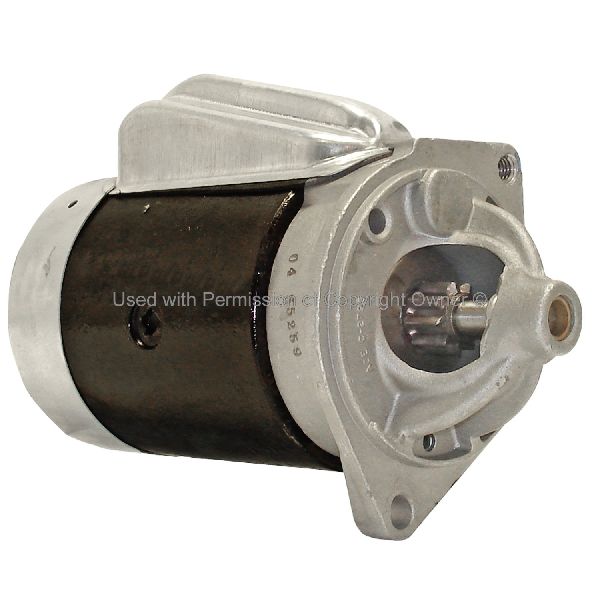
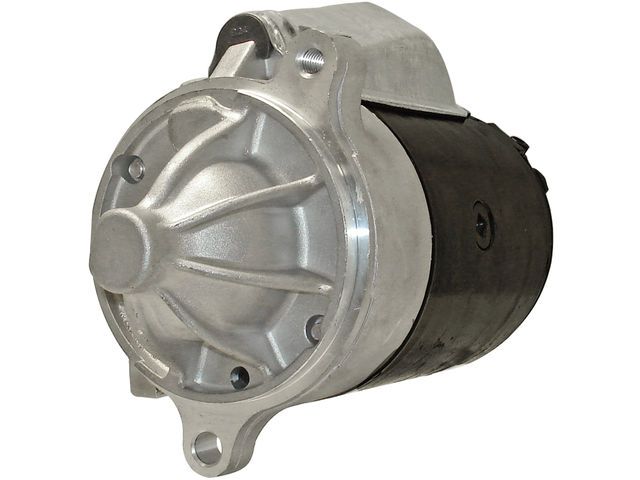
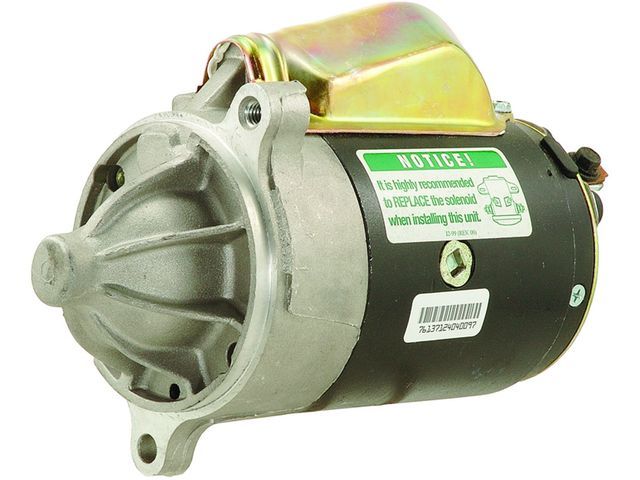
Engine Compatibility: Ford 400, 460 V8. Voltage: 12V. Style: Direct Drive (OEM Style) or Gear Reduction (High-Torque Aftermarket). The fender-mounted starter relay is a separate component from the original starter motor.
We Have This Part in Stock

The information in this article is provided for general reference and educational purposes only. Vehicle specifications, procedures, and part compatibility can vary by production date, trim level, and region. Always consult your vehicle's factory service manual and verify part numbers before purchasing or performing repairs. Safety-critical components such as airbags, seat belts, and braking systems should be installed by a qualified professional.