

Electric Fuel Pump Guide for the 1977-1981 Buick Electra
Considering an electric fuel pump for your classic Electra? Here’s what you need to know before you buy.
- This is an upgrade, not a direct replacement; your Electra came with a mechanical pump.
- Wiring the pump with a safety shut-off (oil pressure or inertia switch) is not optional; it's a critical safety requirement.
- Choose a low-pressure pump (4-7 PSI) specifically designed for carbureted engines to avoid fuel system issues.
- Mount the pump on the frame near the fuel tank for best performance and longevity.
Is an Electric Fuel Pump Right for Your Electra?
The big V8s and V6s in the 1977-1981 Buick Electra were factory-equipped with a mechanical fuel pump that bolts to the engine block. For most owners, a quality mechanical replacement works just fine. However, if you're experiencing issues like vapor lock (where fuel boils in the lines on hot days) or long cranking times to start the engine, an electric fuel pump can be a smart upgrade. Electric pumps provide a steady fuel supply, which is great for consistent performance and easier starts.
This guide is for owners looking to install a new aftermarket electric fuel pump, either as an upgrade from a mechanical pump or to replace an existing electric unit.
Choosing Your Aftermarket Electric Fuel Pump
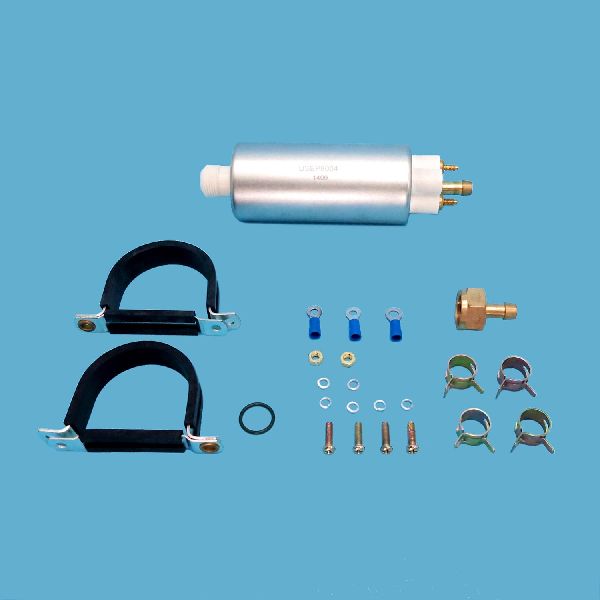
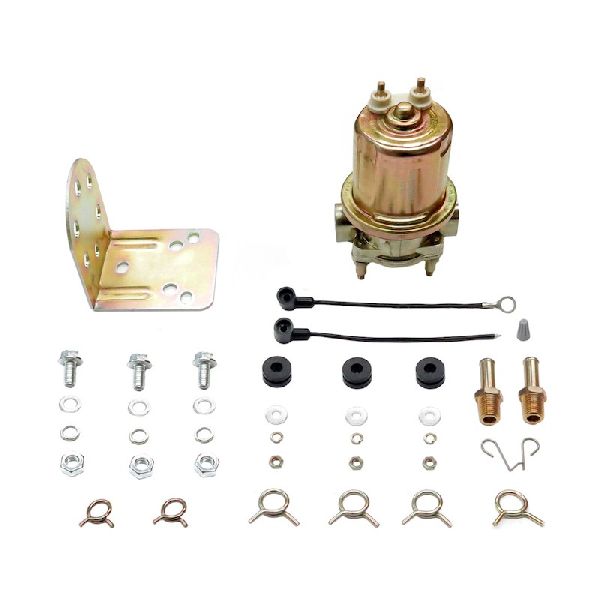
The pumps available for your Electra are typically universal, low-pressure, inline pumps designed for carbureted engines. The key is to choose one that provides the correct pressure—usually 4 to 7 PSI—for your stock carburetor. Higher pressure is not better here; too much can overwhelm the carburetor's needle valve and cause flooding.
Brand Quality Tiers
When shopping, you'll find a few common brands. Here’s an honest breakdown based on user reviews and reputation:
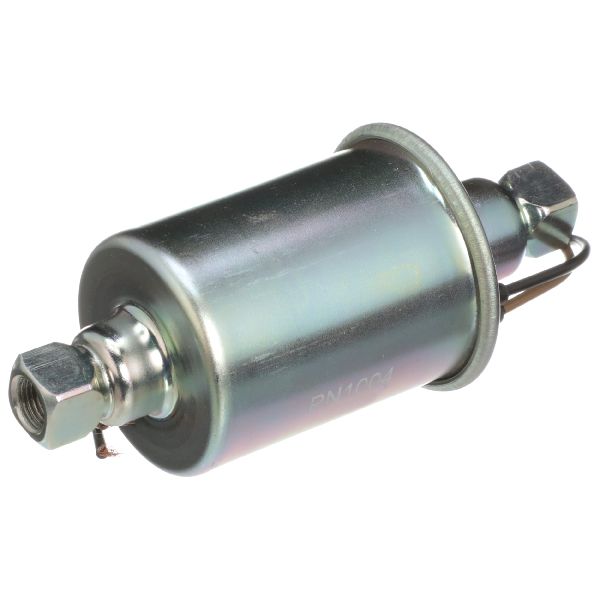
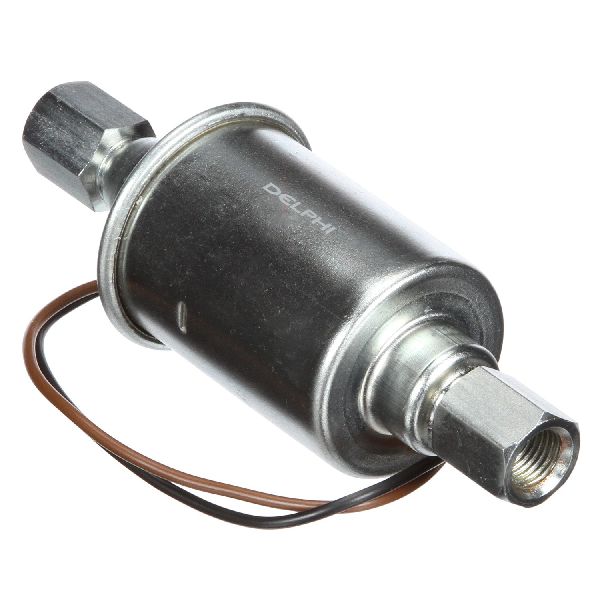
- Delphi: Often considered a top-tier choice. Delphi was an original parts manufacturer for General Motors, so their quality is typically very high and meets factory standards. Owners report reliable, quiet performance that restores factory-like operation. If you want fit-and-forget reliability, Delphi is a strong option.
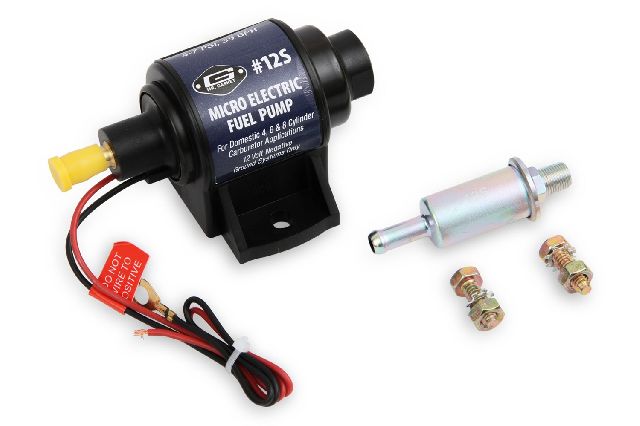
- Mr. Gasket: A well-known performance and hot rod brand. Mr. Gasket pumps are a popular DIY choice and are generally affordable. However, reviews can be mixed. Some users report they work great for years, while others complain about loud operation and a shorter lifespan. It's a solid mid-range choice if you're on a budget but be prepared for some noise.
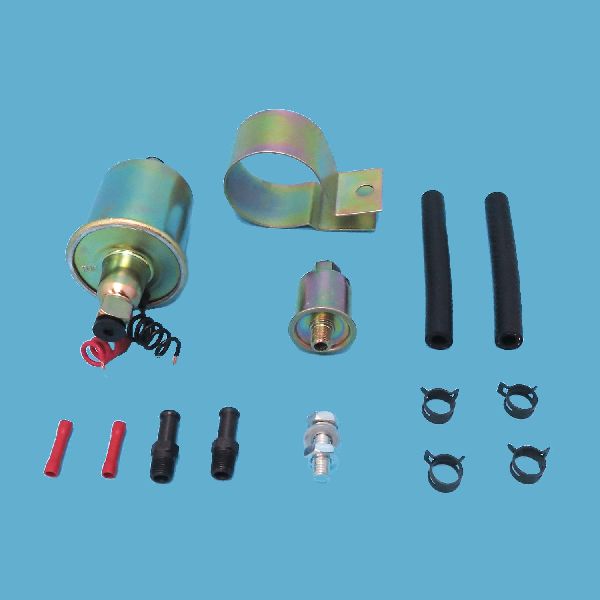
- US Motor Works: Generally seen as a value or economy brand. They offer a cost-effective option that many DIY installers find easy to set up. While many users are satisfied with the performance for the price, there are some reports about lower quality control compared to premium brands. It's a viable choice if budget is your main concern.
CRITICAL SAFETY: Wiring Your Pump Correctly
Never wire an electric fuel pump directly to an ignition-on power source. In an accident, if the engine stalls but the key is still on, the pump would continue to run, creating a serious fire hazard. You MUST wire the pump using either an oil pressure safety switch or an inertia switch. This ensures the pump only runs when the engine has oil pressure (is running) or shuts off automatically in a collision. This is the most important step of the installation.
Installation and Cost Overview
Replacing the factory mechanical pump with an electric one is a custom job. It involves mounting the new pump, running new fuel lines, and completing the critical safety wiring. The pump should be mounted on the frame rail, as close to the fuel tank as possible, because these pumps are better at pushing fuel than pulling it. You will also need a block-off plate to cover the old mechanical pump's mounting location on the engine.
| Item | Estimated Cost |
|---|---|
| Aftermarket Electric Fuel Pump | $45.38 - $97.29 |
| Shop Labor (Custom Installation) | $250 - $500 |
| Total Estimated Cost | $295 - $600 |
Pro Tip: Add a Pre-Filter
To protect your new electric pump, it's a great idea to install a simple, replaceable fuel filter on the inlet side (between the tank and the pump). This will catch any rust or debris from the fuel tank before it can damage the new pump's internal components, helping it last much longer.
Frequently Asked Questions
Why not just replace the original mechanical pump?
For many, replacing the mechanical pump is the simplest choice. However, an electric pump offers benefits like eliminating vapor lock and providing instant fuel pressure for faster starts, which can be a significant quality-of-life improvement for a classic car that is driven regularly.
Do I need a fuel pressure regulator?
If you buy a pump designed for carbureted engines that is rated for 4-7 PSI, you typically do not need a separate regulator. However, if you use a pump with higher pressure, a regulator will be essential to avoid flooding the carburetor.
Where is the best place to mount the electric pump?
Mount the pump on the vehicle's frame, as close to the fuel tank as possible and lower than the tank's fuel level if you can. These pumps are designed to push fuel, not pull it over long distances. Keep it away from the hot exhaust and moving suspension parts.
Is this a difficult job for a DIY mechanic?
This is a moderately difficult job. While the individual steps (mounting a part, connecting hoses, wiring) are straightforward, it requires careful planning, especially the wiring for the safety switch. If you are not comfortable with automotive wiring or modifying fuel lines, it is best to have a professional shop perform the installation.
Technical Specifications
OEM Part Numbers: N/A (Factory pump was mechanical)
Required Pressure: 4-7 PSI for carbureted engines. Type: Universal 12V Inline Electric Fuel Pump.
We Have This Part in Stock

The information in this article is provided for general reference and educational purposes only. Vehicle specifications, procedures, and part compatibility can vary by production date, trim level, and region. Always consult your vehicle's factory service manual and verify part numbers before purchasing or performing repairs. Safety-critical components such as airbags, seat belts, and braking systems should be installed by a qualified professional.