

Accessory Drive V-Belt Guide for the 1977-1981 Buick LeSabre
Keep your classic LeSabre running smoothly by choosing the correct set of V-belts for your specific engine and accessories.
- Your LeSabre uses multiple V-belts, not a single serpentine belt; you must buy the correct belt for each accessory.
- Confirm your engine size (V6 or V8) and options (A/C) before purchasing parts to ensure you get the right set of belts.
- Squealing is the most common sign of a worn or loose belt; check tension first, but replace any belt that is cracked or glazed.
- Quality aftermarket brands like Gates, ACDelco, Dayco, and Continental are all excellent choices for this vehicle.
Understanding Your LeSabre's V-Belt System
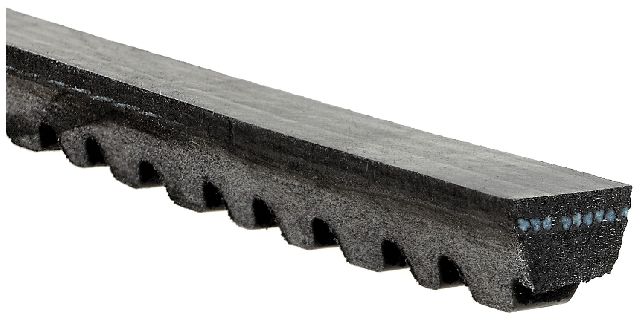
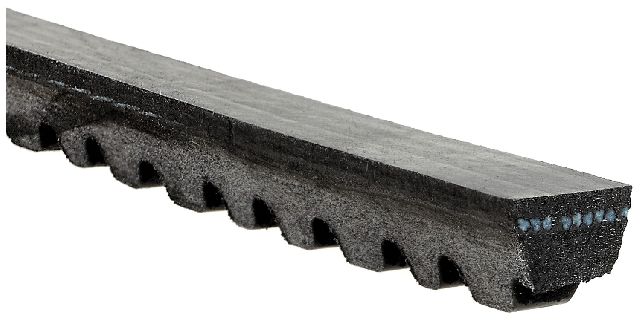
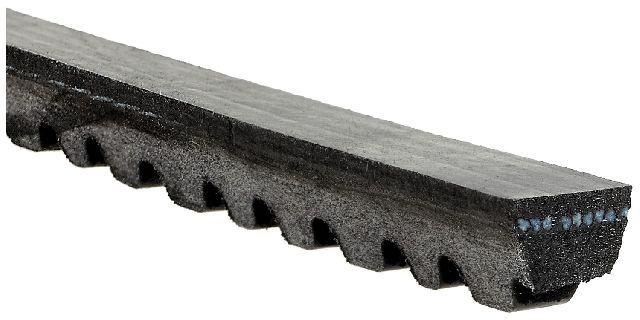
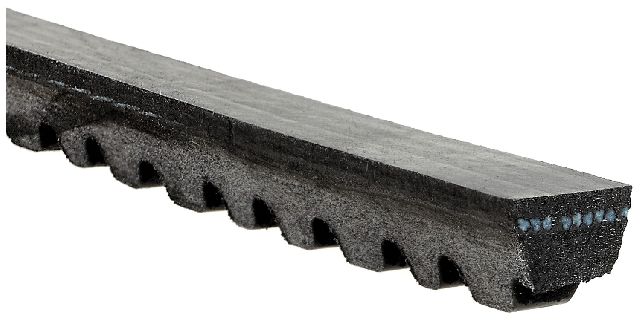
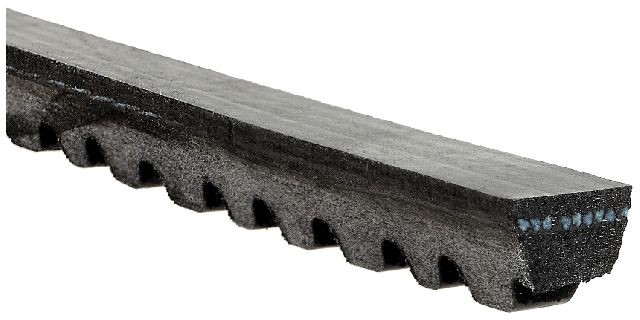
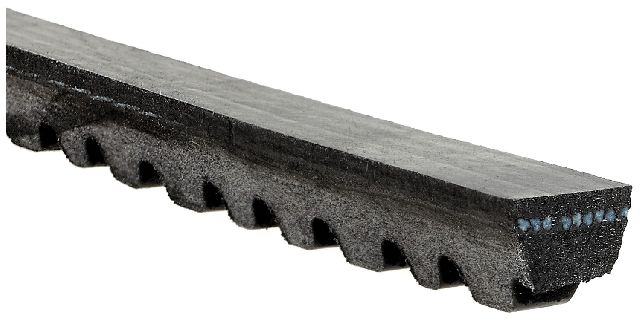
Your 1977-1981 Buick LeSabre does not have a single serpentine belt. Instead, it uses a series of individual V-belts. Each belt typically drives one or two accessories. This is important because you will need to buy a specific belt for each component—one for the alternator, one for the power steering, and so on. The exact number and size of the belts depend entirely on which engine your car has and if it's equipped with options like air conditioning.
Know Your Engine Before You Buy
The most common mistake is buying the wrong belts. This generation LeSabre came with many different engines, including the 231 V6, 301 V8, 350 V8 (from Buick or Oldsmobile), and 403 V8. Always verify your engine size and accessories before ordering parts. Check the VIN or the emissions sticker under the hood if you are unsure.
Symptoms of a Failing Drive Belt
Worn-out V-belts give clear warning signs. Ignoring them can leave you stranded.
- Squealing Noises: This is the most common symptom. A high-pitched squeal, especially when you start the engine, accelerate, or turn the steering wheel, is often caused by a loose or worn belt slipping on a pulley.
- Visible Wear and Damage: Inspect your belts. Look for cracks, fraying, missing chunks, or a shiny, smooth surface known as glazing. A glazed belt has lost its grip and will slip.
- Accessory Malfunctions: If your battery isn't charging (dimming lights, battery warning light), your engine is overheating, or your power steering becomes heavy, a belt may have snapped or is slipping badly.
Choosing the Right Aftermarket Belt
For a vehicle of this age, new aftermarket belts are the best choice. Rubber technology has improved, and a fresh belt from a quality brand will outperform a 40-year-old original part. All the listed brands are reputable manufacturers.
Brand Quality Tiers
- Premium Quality (ACDelco Professional, Gates): Gates is a top-tier manufacturer and an original equipment supplier for many carmakers, including GM. Their belts are known for durability and quiet operation. ACDelco's professional-grade line offers equivalent high quality.
- Standard Quality (Continental, Dayco): Both Continental and Dayco are excellent, reliable brands that meet or exceed OEM specifications. Some mechanics have preferences, but you can install belts from either brand with confidence. There is little practical difference in quality between these and the premium brands for this application.
A Note on OEM Parts
Finding New Old Stock (NOS) GM-branded belts for a 1977-1981 LeSabre is highly unlikely. Even if you did, the rubber would likely be degraded from decades of storage. A modern, high-quality aftermarket belt is a safer and more reliable option.
| Part | Price Range |
|---|---|
| New Aftermarket Accessory Drive Belt (per belt) | $2.60 - $40.28 |
Frequently Asked Questions (FAQ)
How many belts does my LeSabre have?
It depends on your engine and options. Most V8 models with power steering and A/C will have three or four separate V-belts. A base model V6 without A/C might only have two. You must confirm the configuration for your specific vehicle.
Is a squealing noise always a sign of a bad belt?
Not always, but it's the most likely cause. Squealing is caused by a belt slipping. This can be due to wear, but it can also be caused by improper tension (too loose), or contamination from oil or coolant. Always check belt tension first. A new belt that is improperly tensioned will also squeal.
Should I replace all the belts at once?
It's a good practice. The belts are all made of the same material and have been exposed to the same conditions. If one is worn out, the others are likely not far behind. Replacing them all at once saves you from having to do the job again in a few months.
How tight should the belts be?
Proper tension is crucial. A common rule of thumb for V-belts is that on the longest span between pulleys, you should have about a half-inch of deflection when you press down firmly with your thumb. Over-tightening can damage the bearings in the alternator or water pump, while under-tightening will cause slipping and squealing.
Technical Specifications
System Type: Multiple V-Belt Accessory Drive. The specific part numbers for belts are dependent on the vehicle's engine and installed accessories (e.g., with or without Air Conditioning).
We Have This Part in Stock

The information in this article is provided for general reference and educational purposes only. Vehicle specifications, procedures, and part compatibility can vary by production date, trim level, and region. Always consult your vehicle's factory service manual and verify part numbers before purchasing or performing repairs. Safety-critical components such as airbags, seat belts, and braking systems should be installed by a qualified professional.