

1977-1981 Cadillac Eldorado Brake Master Cylinder: A Complete Guide
Keep your classic Eldorado stopping safely and reliably with the right new brake master cylinder.
- A spongy or sinking brake pedal is a critical sign that your master cylinder is failing and the vehicle is unsafe to drive.
- For this classic Eldorado, a new aftermarket master cylinder offers the best combination of reliability and value.
- Bench bleeding the new master cylinder before installation is a mandatory step for a successful repair.
- If the old master cylinder was leaking into the brake booster, the booster should also be replaced.
Signs of a Failing Brake Master Cylinder
A bad master cylinder gives clear warning signs. Ignoring them is a serious safety risk. The most common symptom is a change in how your brake pedal feels.
- Visible Fluid Leaks: You might see brake fluid (a clear or light golden liquid) around the master cylinder or on the firewall behind it. Sometimes, the leak is at the rear seal and drips into the brake booster, so you won't see it on the ground.
- Contaminated Brake Fluid: If the fluid in the reservoir looks dark, black, or murky, it's a sign that the rubber seals inside are breaking down and contaminating the system.
- Brake Warning Light: The warning light on your dashboard can illuminate if the fluid level drops too low, which is often caused by a leak in the master cylinder.
Choosing the Right Aftermarket Part
For a classic car like the 1977-1981 Eldorado, finding New Old Stock (NOS) or new OEM parts is nearly impossible. The market primarily consists of new aftermarket and remanufactured parts.
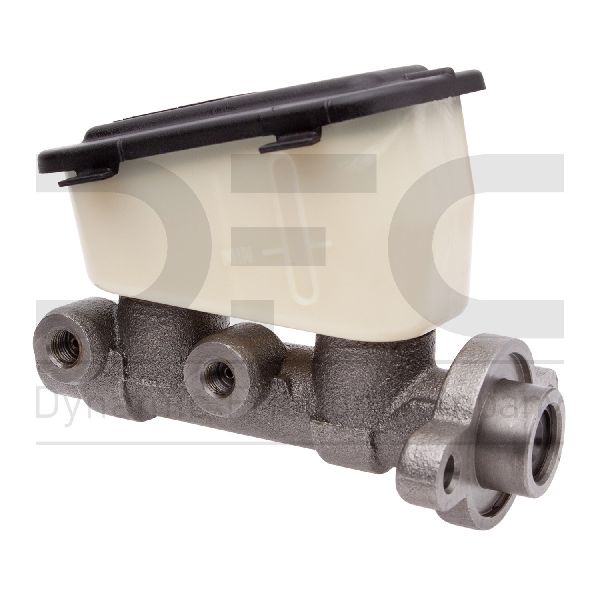
- New Aftermarket (Recommended): Brands like Dynamic Friction produce completely new master cylinders that are designed to meet or exceed original factory specifications. These parts are 100% pressure tested and made with modern materials, offering excellent reliability and a long service life without the uncertainty of a remanufactured unit. Given the critical safety nature of this part, a new aftermarket cylinder is the most dependable choice.
- Remanufactured: These are original units that have been rebuilt with new seals. While they can be a budget option, quality can be inconsistent. Problems like leaking reservoir grommets are sometimes reported on forums for remanufactured units.
Estimated Replacement Costs
| Item | Cost Range |
|---|---|
| New Aftermarket Part (Dynamic Friction) | $73.20 |
| Shop Labor | $150 - $300 |
| Total Estimated Cost | $223.20 - $373.20 |
Note: Costs are estimates and can vary by location and repair shop.
Frequently Asked Questions (FAQ)
What is 'bench bleeding' and is it really necessary?
Bench bleeding is the process of removing air from a new master cylinder *before* you install it in the car. It involves mounting the cylinder in a vise, attaching hoses from the outlet ports back into the fluid reservoir, and pumping the piston until no more air bubbles appear. This step is absolutely critical. Skipping it will make it extremely difficult to get all the air out of the brake system later.
Can I do this replacement myself?
If you are an experienced DIY mechanic with the right tools, yes. The job is rated as moderately difficult. You will need a set of flare nut wrenches to remove the brake lines without stripping them, a vise for bench bleeding, and tools to bleed the entire brake system afterward. If you are not comfortable with brake system work, it is best to leave this job to a professional.
What kind of brake fluid should I use for my Eldorado?
You should use a high-quality DOT 3 brake fluid, as this was the original specification. While DOT 4 fluid has a higher boiling point, you should not mix fluid types. Never use DOT 5 (silicone-based) fluid in a system designed for DOT 3, as it can damage the rubber seals and lead to brake failure.
Do I need to replace the brake booster at the same time?
Not necessarily. However, if the master cylinder has been leaking fluid from its rear seal into the brake booster, the brake fluid can destroy the booster's internal diaphragm. When you remove the old master cylinder, if you see brake fluid inside the booster's front opening, you should replace the booster as well.
Technical Specifications
OEM Part Numbers: 5472156 2620363 18008884 18005733
Bore Size: 1-1/8 inches. Material: Cast Iron. Reservoir: Dual. Brake System: Four-wheel disc.
We Have This Part in Stock

The information in this article is provided for general reference and educational purposes only. Vehicle specifications, procedures, and part compatibility can vary by production date, trim level, and region. Always consult your vehicle's factory service manual and verify part numbers before purchasing or performing repairs. Safety-critical components such as airbags, seat belts, and braking systems should be installed by a qualified professional.