

Dodge D150 Catalytic Converter: A Guide for 1977-1981 Models
Everything you need to know about replacing the catalytic converter on your classic Dodge D150 pickup.
- For this truck, you will be buying a universal-fit aftermarket converter that requires welding.
- The biggest challenge during replacement is likely to be cutting through heavily rusted original exhaust parts.
- MagnaFlow is a higher-cost, higher-quality option; Walker is a standard choice, and AP/Eastern are budget-friendly but may have fitment or quality issues.
- Symptoms like power loss, a rotten egg smell, or a rattling sound are clear indicators that your converter needs to be inspected.
Is Your D150's Catalytic Converter Failing?
On a classic truck like the 1977-1981 Dodge D150, the signs of a bad catalytic converter are usually very noticeable. Because these trucks have simple, straightforward exhaust systems, you don't have to be a master mechanic to spot trouble. The most common cause of failure is simply age; the internal materials can break down or become clogged after decades of use.
Key Symptoms of a Bad Converter
- Rotten Egg Smell: A strong sulfur or rotten egg smell from the exhaust is a classic sign that the converter isn't processing gases correctly.
- Loss of Power: If your truck feels sluggish, struggles to accelerate, or won't go past a certain speed, the converter could be clogged, creating backpressure that chokes the engine.
- Rattling Noise: A rattling or metallic sound from under the truck, especially on startup or when revving the engine, often means the ceramic honeycomb inside the converter has broken apart.
- Excessive Heat: An unusual amount of heat coming from the floor under the center of the truck can indicate a clog that is causing the converter to overheat.
Choosing the Right Aftermarket Converter
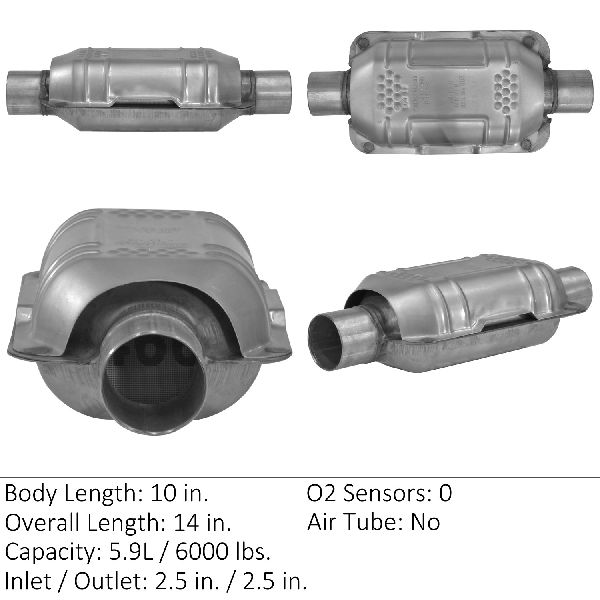
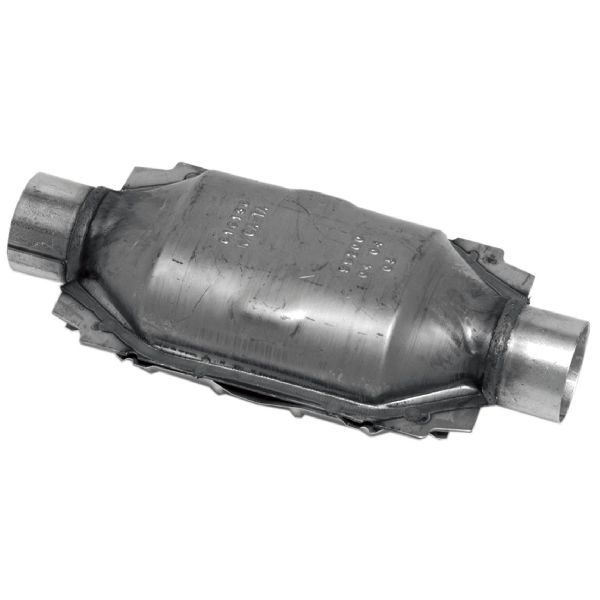
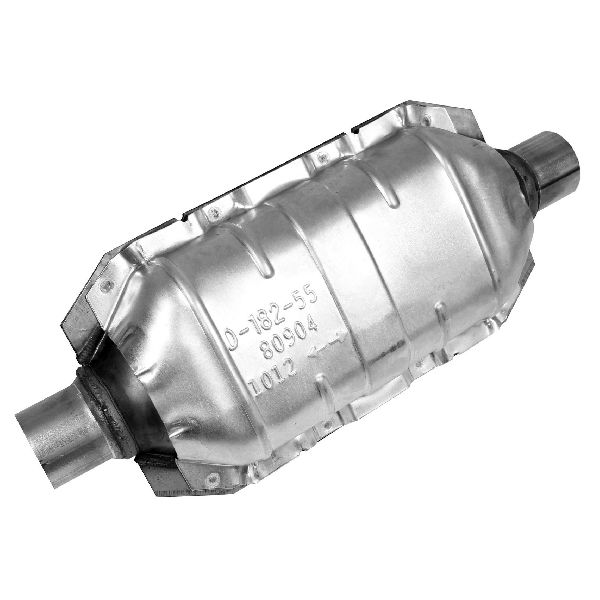
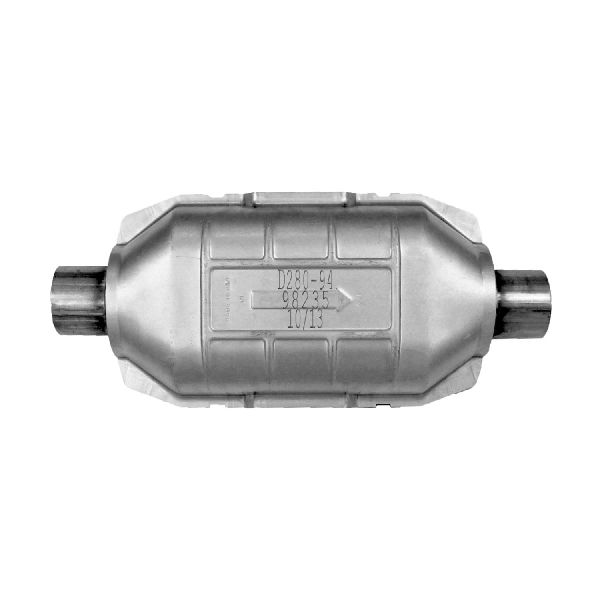
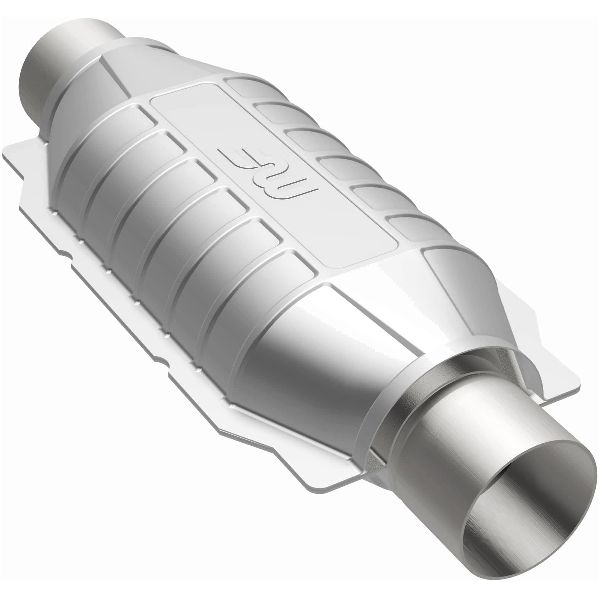
Finding a new original equipment (OEM) catalytic converter from Dodge for a 1977-1981 D150 is nearly impossible due to the truck's age. This means you will be choosing from aftermarket brands. For this truck, most available parts are "universal fit," which means they are designed to fit a wide range of vehicles and will require cutting and welding for proper installation. This is a standard job for any exhaust shop.
Aftermarket Brand Tiers
Not all aftermarket parts are created equal. Based on owner feedback and mechanic reviews, brands generally fall into different quality tiers.
- Premium Aftermarket (MagnaFlow, MagnaFlow Performance Exhaust): Generally considered the top tier of aftermarket options. Owners report better build quality, often using stainless steel that resists rust better than standard steel. They are known for good performance, but come at a higher price.
- Standard Aftermarket (Walker Exhaust): Walker is a well-known name and a major supplier of exhaust parts. They are a reliable mid-range choice. However, some recent forum discussions mention concerns about longevity and rust on their non-stainless products compared to how they were made in the past.
- Economy Aftermarket (AP Exhaust, Eastern Catalytic): These brands offer the most budget-friendly options. However, the lower price can sometimes come with trade-offs. Some users have reported issues with poor welds, inexact fitment that requires extra work to install, and a shorter lifespan.
Cost to Replace a 1977-1981 Dodge D150 Catalytic Converter
The total cost depends on the part you choose and local labor rates. Since most options are universal, welding is required, which affects the labor cost.
| Item | Estimated Cost |
|---|---|
| New Aftermarket Part | $84 - $1,023 |
| Shop Labor | $140 - $400 |
| Total Estimated Cost | $224 - $1,423 |
Frequently Asked Questions
Do I need a direct-fit or universal converter?
For the 1977-1981 D150, almost all available aftermarket options are universal-fit. This means a professional will need to cut out your old converter and weld the new one into place. This is a very common and straightforward job for an exhaust shop.
Can I replace the catalytic converter myself?
If you have experience with cutting and welding exhaust pipes, and can safely lift the vehicle, this is a DIY-feasible job. The exhaust system on these trucks is simple. However, due to the need for welding and the high probability of dealing with rusted bolts, most owners will have a professional shop perform the replacement.
Are there any recalls for the D150 catalytic converter?
No, there are no specific recalls or Technical Service Bulletins (TSBs) from the NHTSA for the catalytic converter on the 1977-1981 Dodge D150. Recalls for this part are extremely rare on vehicles of this age.
Will a new converter change the sound of my truck?
Replacing a clogged or broken converter with a new one will likely make your truck run quieter and smoother, closer to its original sound. A high-performance model from a brand like MagnaFlow might give a slightly deeper tone, but a standard replacement will not dramatically change the exhaust note.
Technical Specifications
Most replacements for this vehicle are universal-fit, non-CARB compliant (Federal EPA standard), and require cutting and welding. Inlet and outlet diameters will vary, so matching to your existing exhaust pipe size is crucial.
We Have This Part in Stock

The information in this article is provided for general reference and educational purposes only. Vehicle specifications, procedures, and part compatibility can vary by production date, trim level, and region. Always consult your vehicle's factory service manual and verify part numbers before purchasing or performing repairs. Safety-critical components such as airbags, seat belts, and braking systems should be installed by a qualified professional.