

Engine Coolant Thermostat Guide for the 1977-1981 Dodge W150
Keep your classic Dodge W150's engine running at the right temperature by choosing the best thermostat for the job.
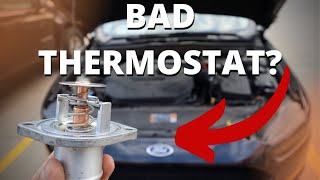
- A failing thermostat can cause your W150 to overheat or run too cool, both of which are bad for the engine.
- Choose a quality aftermarket brand like Gates or Calorstat for reliability.
- A 180°F thermostat is a popular choice for classic trucks, but a 195°F unit is also acceptable.
- Always replace the thermostat gasket to prevent leaks.
Is Your W150's Thermostat Failing?
A thermostat is a wear item that can fail in two ways. It can get stuck closed, causing the engine to overheat quickly. Or, it can get stuck open, which prevents the engine from ever reaching the proper operating temperature, leading to poor fuel economy and increased engine wear. For a classic truck like the W150, maintaining the correct engine temperature is key to reliability.
Common Symptoms of a Bad Thermostat
🎬 Watch: 7 common symptoms of a failing thermostat explained.- Engine Overheating: The temperature gauge climbs into the red. This is the most serious symptom, often caused by a thermostat stuck closed.
- Engine Running Too Cool: The temperature gauge never reaches the normal operating range, or your heater blows lukewarm air. This is usually a sign of a thermostat stuck open.
- Erratic Temperature Readings: The gauge fluctuates wildly between hot and cold.
- Coolant Leaks: Sometimes a failing thermostat or its housing gasket can cause leaks around the thermostat housing on top of the engine.
Choosing the Right Aftermarket Thermostat
For a 1977-1981 Dodge W150, original Mopar thermostats are virtually impossible to find new. The market is dominated by aftermarket brands, which is not a bad thing. Many aftermarket parts meet or exceed original specifications. The most important decisions are choosing a quality brand and the correct temperature rating.
Temperature Rating: 180°F vs. 195°F
Your truck likely came from the factory with a 195°F thermostat. However, many owners of classic trucks prefer a 180°F thermostat. A 180°F thermostat will open sooner, which can help in hot climates or if you're doing a lot of towing. A 195°F thermostat helps the engine run more efficiently and can improve heater performance in the winter. For most stock applications, either temperature will work well, but a 180°F unit is a popular and safe choice.
Aftermarket Brand Quality
Not all aftermarket thermostats are created equal. Based on owner experiences and mechanic feedback, here is a breakdown of common brands.
- Tier 1: Reliable & Recommended
- Gates: A well-respected brand known for quality cooling system components. Gates thermostats are considered a reliable, OE-quality replacement.
- Calorstat: Often mentioned in forums as a high-quality option that holds temperature accurately.
- Tier 2: Performance & Specialty
- Edelbrock & Mr. Gasket: These brands are known for performance parts. Their thermostats are often "high-flow" designs. While some owners like them, others report failures, and a high-flow design is not necessary for a stock or lightly modified W150 engine.
- Mishimoto: A popular performance cooling brand. While they have a good reputation, some forum users have had mixed reviews, and their products can be more expensive.
- Tier 3: Standard Replacement
- Motorad: A very common aftermarket brand. They manufacture thermostats for many other brands, including Stant. Quality can be inconsistent according to some user reports, with some failing prematurely, while others work perfectly for years. Given their wide availability and low price, they are a common choice.
Estimated Costs for a New Thermostat
| Part Type | Estimated Cost |
|---|---|
| New Aftermarket Thermostat | $7.33 - $56.13 |
| Thermostat Gasket | $2 - $5 |
| Shop Labor | $90 - $150 |
Frequently Asked Questions
What temperature thermostat is best for my W150?
For most owners in moderate climates with a stock engine, a 180°F or 195°F thermostat will work well. A 180°F unit can provide an extra margin of cooling in hot weather or under load, while a 195°F unit is better for engine efficiency and heater output in cold weather.
Do I need to replace the gasket too?
Yes, absolutely. Always install a new thermostat gasket. Reusing the old one will almost certainly cause a coolant leak. The gasket is very inexpensive and crucial for a proper seal.
What's the difference between a stuck-open and stuck-closed thermostat?
A thermostat stuck closed prevents coolant from reaching the radiator, causing the engine to overheat quickly. A thermostat stuck open allows coolant to flow to the radiator constantly, preventing the engine from warming up properly, which leads to poor performance and no cabin heat.
Is a "high-flow" thermostat better for my truck?
For a stock or near-stock Dodge W150 engine, a high-flow thermostat is generally not necessary and provides no real benefit. The standard design from a quality brand like Gates is perfectly adequate. Some argue that too much flow can reduce cooling efficiency by not giving the coolant enough time in the radiator to cool down.
Helpful Videos

Technical Specifications
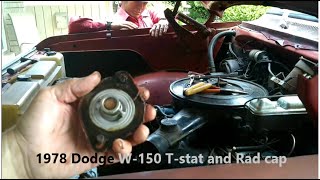
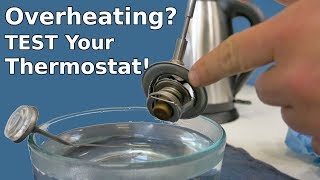
Common temperature ratings are 160°F, 180°F, and 195°F. The thermostat is a mechanical, wax-pellet type valve. Replacement requires a new gasket. The housing is typically located where the upper radiator hose connects to the engine.
We Have This Part in Stock


The information in this article is provided for general reference and educational purposes only. Vehicle specifications, procedures, and part compatibility can vary by production date, trim level, and region. Always consult your vehicle's factory service manual and verify part numbers before purchasing or performing repairs. Safety-critical components such as airbags, seat belts, and braking systems should be installed by a qualified professional.