

Choosing the Right Spark Plugs for Your 1977-1981 Nissan 810
Keep your classic Nissan 810 running smoothly with the correct new aftermarket spark plugs for its L-series engine.
- For the 1977-1981 Nissan 810, standard copper spark plugs are the best choice for stock engines.
- NGK is the most highly recommended brand, with the BPR6ES-11 being a direct-fit, pre-gapped option.
- Always check the spark plug gap before installation; it should be 1.1mm (0.044").
- Replacing spark plugs is a simple, beginner-friendly DIY task that can be completed in under an hour.
Symptoms of Failing Spark Plugs
When your spark plugs start to wear out, the performance of your Nissan 810's engine will suffer. The signs are usually easy to notice if you know what to look for. Worn plugs have a harder time creating a strong spark, leading to incomplete combustion.
- Rough Idle: The engine may vibrate or sound uneven when the car is stopped.
- Poor Acceleration: You might feel a hesitation or lack of power when you press the gas pedal.
- Hard Starting: The engine may take longer than usual to start, especially in cold weather.
- Engine Misfires: You may feel a stumbling or jerking from the engine, as one or more cylinders fail to fire correctly.
- Reduced Fuel Economy: Because the engine isn't burning fuel efficiently, you'll find yourself visiting the gas station more often. A bad spark plug can hurt fuel economy significantly.
Choosing the Right Aftermarket Spark Plug
For a classic vehicle like the 1977-1981 Nissan 810, choosing a spark plug isn't just about finding one that fits. It's about picking the right type for an ignition system designed in the 1970s. While modern cars use long-life iridium or platinum plugs, your 810's L24E engine was engineered for standard copper-core spark plugs.
Spark Plug Material Comparison
| Material | Typical Lifespan | Best For |
|---|---|---|
| Copper | 20,000 - 30,000 miles | Recommended. Excellent conductivity for the stock ignition system. This is the original technology and what the engine was designed to use. |
| Platinum / Iridium | 60,000 - 100,000+ miles | Optional. While they last longer, the benefits may not be fully realized in the 810's stock ignition. Some owners prefer to stick with what the engine was designed for. |
Pro Tip: The standard recommendation for the Nissan L24E engine is the NGK BPR6ES-11 copper spark plug. It provides the correct heat range and performance characteristics for the original ignition system. The '-11' in the part number indicates a pre-set gap of 1.1mm, which is the factory specification for many of these vehicles.
Aftermarket Brand Quality Assessment
Not all spark plug brands are created equal, especially when it comes to older Japanese engines. Forum discussions among Datsun and Nissan enthusiasts show clear preferences.
- Top Tier (Highly Recommended): NGK and Denso are the overwhelming favorites for Nissan vehicles of all eras. They are often the original equipment manufacturer and provide reliable performance. For the 810, NGK is the most frequently recommended brand.
- Good Value (Reliable Choice): Autolite copper and platinum plugs are considered a solid, affordable choice that will perform well in older engines.
- Use With Caution: While Bosch and Champion are major brands, some long-time Nissan owners have reported issues. Specifically, some forum posts warn against using Bosch plugs in older Nissan engines, citing rare instances of the ceramic insulator or electrode breaking off. While this is uncommon, it's a consideration when the top-tier brands are readily available.
Known Issues, Recalls, or TSBs
There are no known recalls, Technical Service Bulletins (TSBs), or common spark plug-related defects from Nissan or the NHTSA for the 1977-1981 Nissan 810. Any issues you encounter will almost certainly be due to normal wear and tear on these 40+ year-old components.
Estimated Costs
| Item | Cost |
|---|---|
| New Aftermarket Spark Plugs (Set of 6) | $20 - $98 |
| Shop Labor | $50 - $100 |
| DIY vs. Shop | This is a very easy DIY job that can save you around $100. |
Frequently Asked Questions (FAQ)
What is the correct spark plug gap for my Nissan 810?
The factory recommended spark plug gap is typically 1.1mm (or 0.044 inches). If you buy a plug with '-11' at the end of the part number, like the NGK BPR6ES-11, it should be pre-gapped to this specification. It is always a good idea to double-check the gap with a wire-style gapping tool before installation.
How often should I replace the spark plugs?
If you use standard copper plugs, which are recommended, you should plan to replace them every 20,000 to 30,000 miles or every 2-3 years as part of a regular tune-up. This will ensure your engine always has a strong spark and runs at its best.
Can I use modern Iridium or Platinum plugs?
Yes, you can. They will fit and function. However, the very long life and high-performance benefits of these plugs are best realized in modern, high-energy ignition systems. Your 810's stock system was designed for copper plugs, and they remain the most cost-effective and reliable choice for how this engine operates.
Is it difficult to replace the spark plugs myself?
No, this is one of the easiest maintenance jobs you can do on a Nissan 810. The inline-6 engine provides easy access to all six plugs. You will need a ratchet, an extension, and a spark plug socket. The entire job can typically be done in under an hour.
Technical Specifications
OEM Part Numbers: 22401-N8714 22401-N8715 22401-N8716 22401-N8717
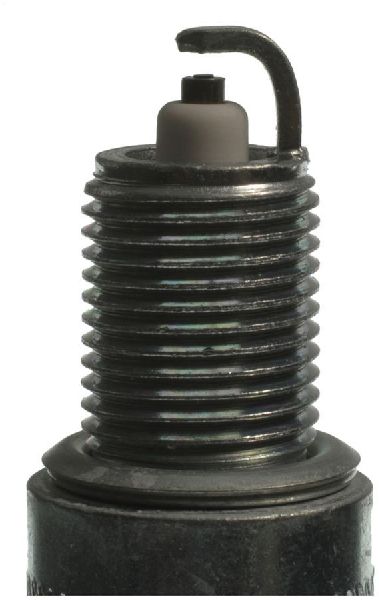
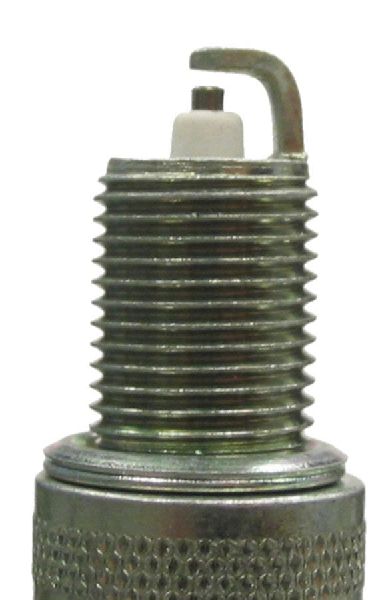
The most commonly recommended aftermarket part is the NGK BPR6ES-11. It is a resistor-type plug with a 14mm thread, 13/16" (21mm) hex size, and a pre-set gap of 1.1mm (0.043").
We Have This Part in Stock
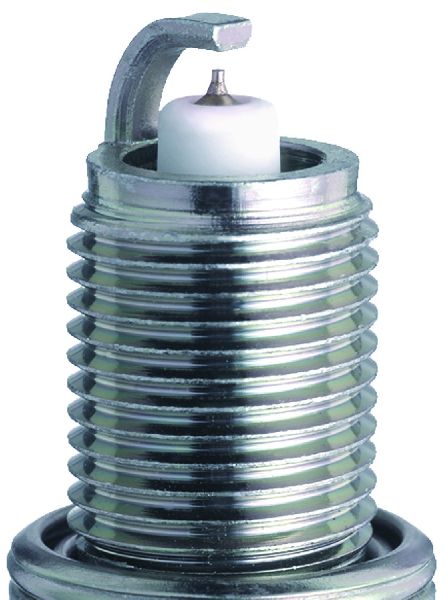
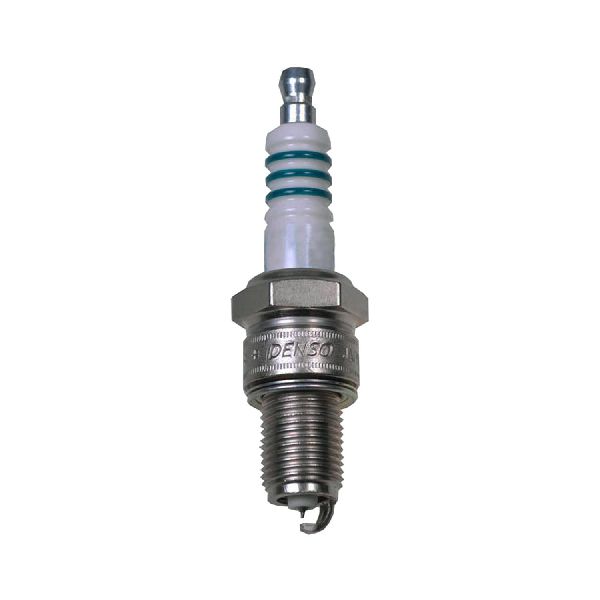
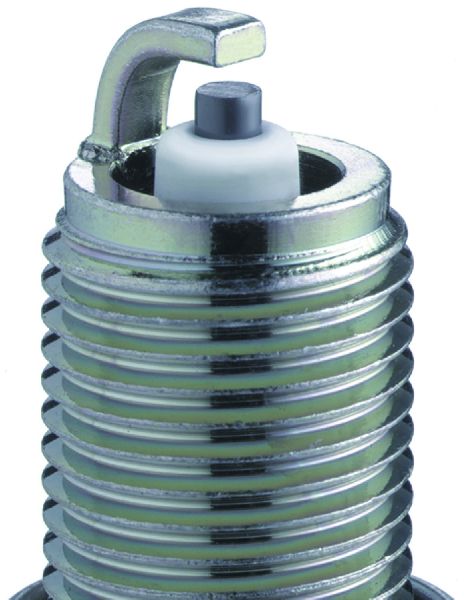
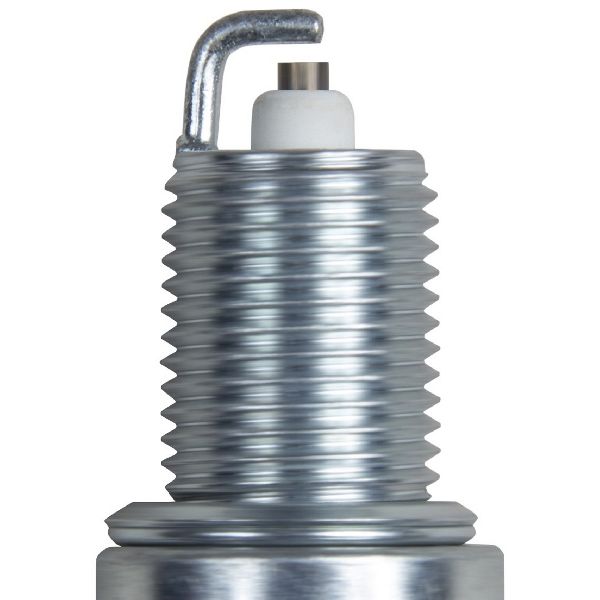

The information in this article is provided for general reference and educational purposes only. Vehicle specifications, procedures, and part compatibility can vary by production date, trim level, and region. Always consult your vehicle's factory service manual and verify part numbers before purchasing or performing repairs. Safety-critical components such as airbags, seat belts, and braking systems should be installed by a qualified professional.